Table of Contents
This guide provides a clear, practical overview of "Warning Signs to Look Out for in AI Audio Generators". It organizes the most useful details, explains important considerations, and highlights the steps or choices that matter most.
- How to spot a deepfake video
1. General output
One of the biggest red flags when using AI to create music is the risk of creating generic, stereotyped tracks. While AI tools can create music in a wide range of genres and styles, the output often lacks the human element that makes music feel new or innovative. These tools often rely on pre-existing templates, established patterns, or sample libraries. As a result, the music they create often sounds formulaic and lacking in individuality.
If you use an AI tool to create a commercial song, the resulting track may sound similar to other songs in the genre, without your unique voice or signature style to make it memorable and different. As technology improves, AI will begin to create more complex and creative music. However, it may still lack the soul, spontaneity, and creativity of true artistic expression.
If an AI engine is generating most of your music, adding a human element to the mix can make it sound significantly more convincing and unique. This can be as prominent as a vocal track or as subtle as a manually played percussion instrument. Additional sounds and MIDI can be added using a free online audio editor or digital audio workstation.
2. Copyright issues
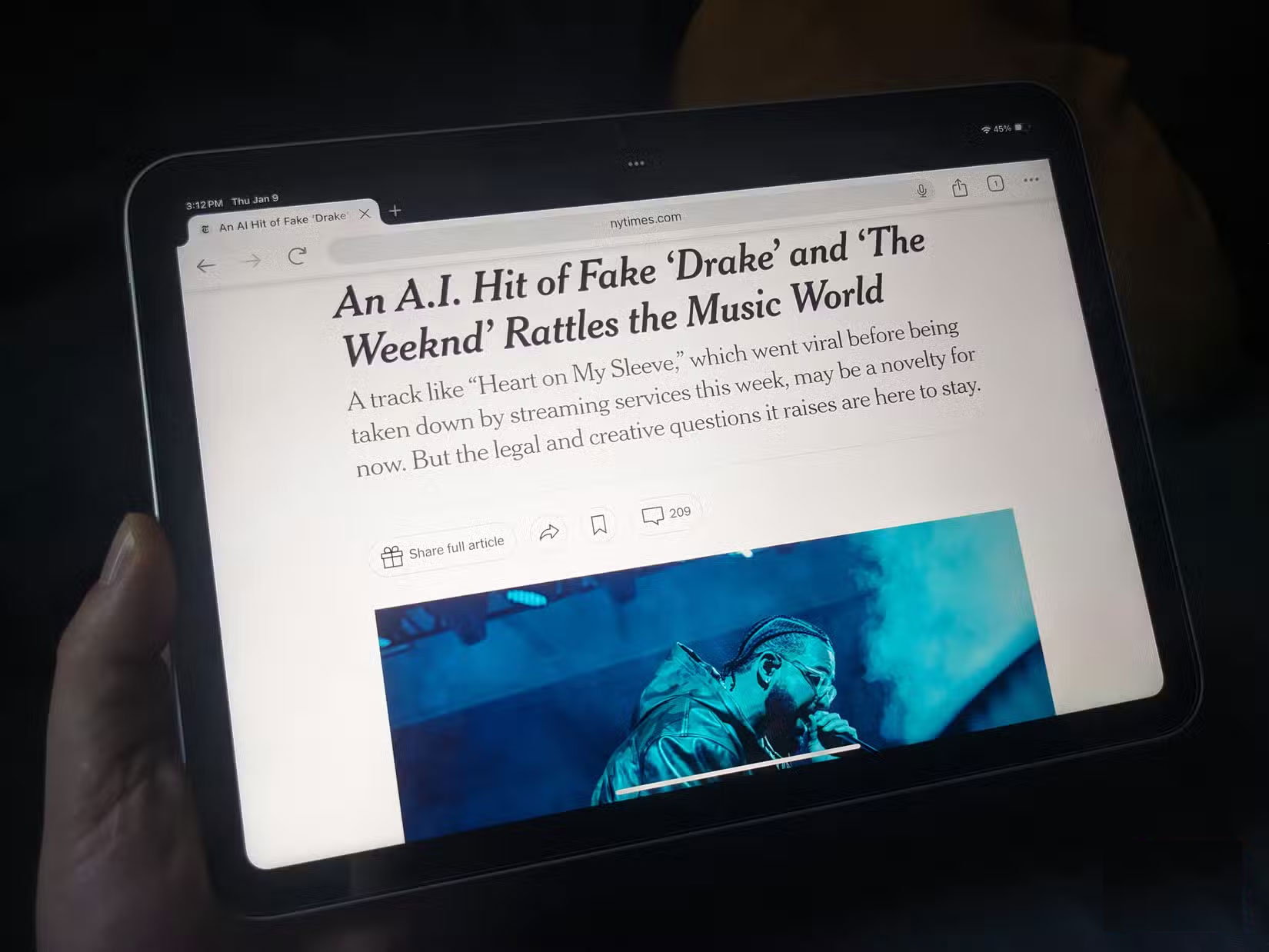
With the growing use of AI-generated music, concerns about copyright and intellectual property are rising. AI music-generating tools are being trained to mimic existing songs, patterns, melodies, and rhythms that may have been gleaned from copyrighted material. This raises important legal and ethical questions about ownership and fair use.
A prominent example of this occurred in 2023 with the music of Canadian artists The Weeknd and Drake after AI-generated songs copying their voices surfaced online. These songs were created by AI models based on the artists' existing work and raised concerns about copyright infringement and unauthorized use of their likeness and sound. This sparked debate about whether AI-generated music should be considered original, since it was based on existing copyrighted material.
If you publish AI-generated music, it could very well resemble copyrighted works. While AI does not 'copy' in the traditional sense, it can adapt elements from existing music in ways that could lead to a variety of legal consequences. Therefore, you must be careful about your data sources and ensure that the music you create with AI does not violate copyright laws to avoid facing lawsuits or financial penalties.
3. Quality concerns
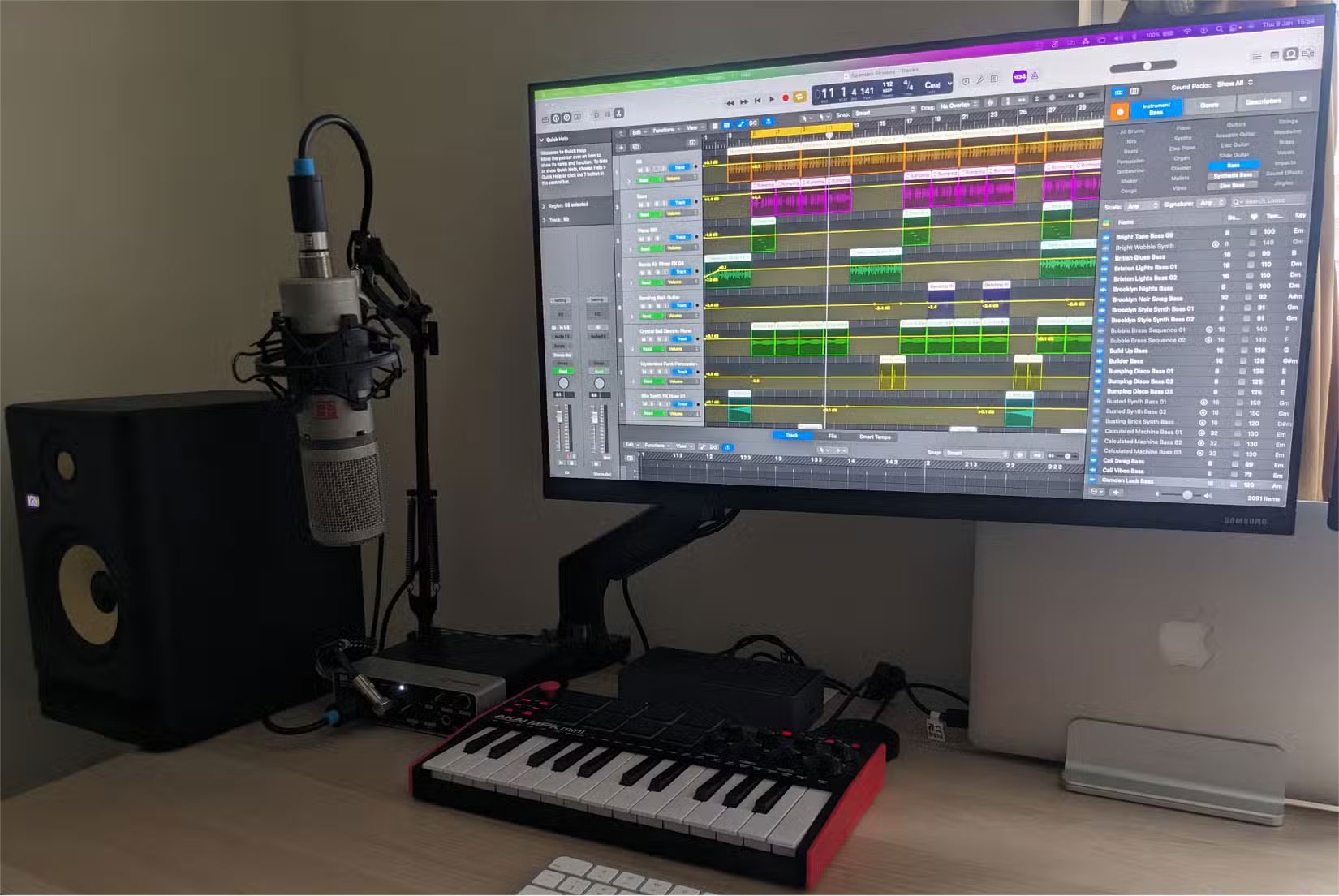
Another significant drawback of AI-generated music is that it often lacks the emotional depth, complexity, nuance, and musicianship of traditionally created music. While AI can quickly generate melodies, rhythms, and chord progressions, it struggles to replicate the subtleties that make music resonate with listeners.
A musician often spends their entire life around artists who put their own personal effort and experience into their music. Whether it's an emotional vocal track, a complex chord progression, or a complex song arrangement, human creativity infuses music with a richness that AI can't easily replicate.
An AI sound generator may produce a catchy tune, but it will often lack the meaning or emotional expression that comes from the mind of a human composer. The subtleties of rhythm, phrasing, and improvisation—the key ingredients that make truly compelling music—are often too complex for AI to grasp. Therefore, it is important to be mindful of the limitations of AI when using it to generate music.
4. The "gray" ethical area
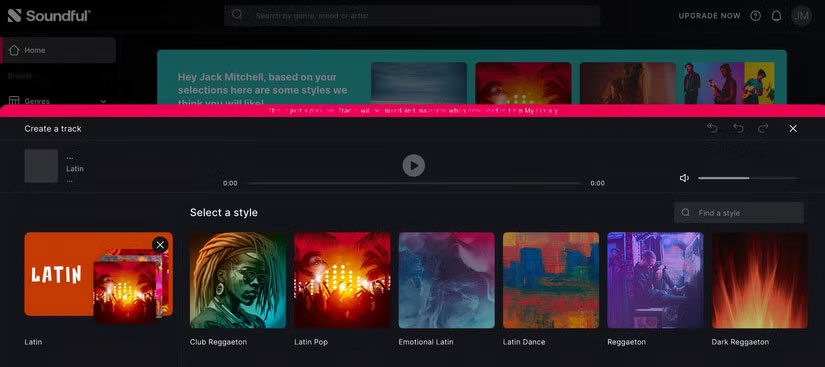
Even if an AI-generated song sounds great, there are still ethical and emotional considerations to consider. For many musicians, songwriting is a journey from a spark of inspiration to a final, finished piece. While AI can create a song with technical proficiency, it doesn't have the personal investment of creating something from scratch.
Furthermore, using AI to create music can raise ethical questions regarding artistic integrity. Relying on a machine to create something is essentially cheating, or at least cutting corners. You can't claim that a project is authentic artistic expression when an algorithm has done most of the heavy lifting.
If the music-making process moves too much toward automation, it could devalue the musicians who spend years honing their skills and creating original work. While AI sound generation tools present exciting opportunities for music production, relying too heavily on AI could ultimately undermine the essence of what makes music meaningful.
These important signs regarding the use of AI audio generators should not be overlooked. As the technology continues to evolve, musicians, producers, and consumers must remain aware of the challenges and weigh all the benefits and drawbacks for the growth of the industry as a whole.
FAQ
What should you know about 1. General output?
One of the biggest red flags when using AI to create music is the risk of creating generic, stereotyped tracks. While AI tools can create music in a wide range of genres and styles, the output often lacks the human element that makes music feel new or innovative. These tools often rely on pre-existing templates, established.
What should you know about 2. Copyright issues?
With the growing use of AI-generated music, concerns about copyright and intellectual property are rising. AI music-generating tools are being trained to mimic existing songs, patterns, melodies, and rhythms that may have been gleaned from copyrighted material. This raises important legal and ethical questions about ownership.
What should you know about 3. Quality concerns?
Another significant drawback of AI-generated music is that it often lacks the emotional depth, complexity, nuance, and musicianship of traditionally created music. While AI can quickly generate melodies, rhythms, and chord progressions, it struggles to replicate the subtleties that make music resonate with listeners.
What should you know about 4. The "gray" ethical area?
Even if an AI-generated song sounds great, there are still ethical and emotional considerations to consider. For many musicians, songwriting is a journey from a spark of inspiration to a final, finished piece. While AI can create a song with technical proficiency, it doesn't have the personal investment of creating something.
Related Articles
 If a VPN Has These Warning Signs, Stay Away from It!9 minutes read
 Top 5 Cheap Generators for Families7 minutes read
 Pocket Address to Buy Genuine Generators, Reasonable Prices in9 minutes read
 4 Criteria Choose to Buy Cool Quality Generator, Good Price7 minutes read
 If Your Body Has These 12 Signs, You Are Eating Too Much Sugar7 minutes read
 Your 10 Kidney Warning Signs Are Having Problems: Kidney Disease9 minutes read
Reader Comments 0
Sign in with email or Google to join the discussion.