Table of Contents
This updated guide examines How to Using Chrome's Built-in Password Generator and organizes the essential facts, background, and practical takeaways in clear American English.
Responsible-use note: Apply security techniques only to systems you own or are explicitly authorized to test.
How to create a secure password
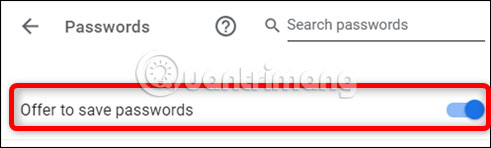
First, make sure that the password saving feature is enabled (by default it must be enabled). To check, click the profile picture in the upper right corner, then select 'Passwords'. You can also enter chrome: // settings / passwords into Omnibox and pressEnter.
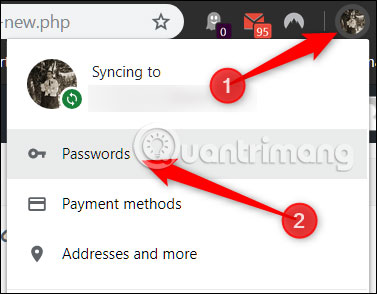
Switch the switch labeled 'Offer to Save Passwords' to On (if it is not already in this position).
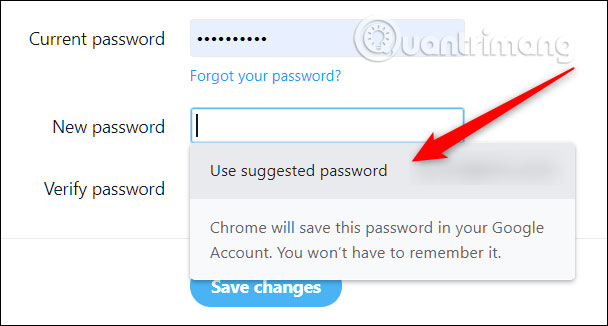
Next, go to the website where you want to create an account. When you click on the password field, a pop-up window will prompt you for a strong password. Click 'Use Suggested Password' .

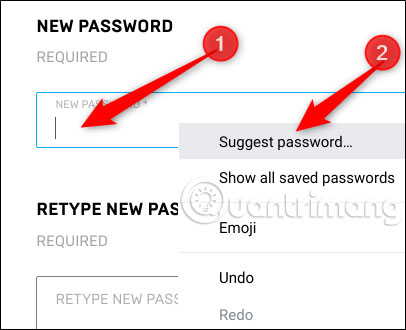
If the prompt does not appear, right-click the password field, then click 'Suggest Password'. This will force the pop-up window to appear below the field with the new strong password suggestion.

Please complete the registration process! Once completed, Google will save the password for you, so you don't need to remember anything.

How to change an existing password
If you don't know about this feature when creating an account, you can still use it to change the password on an existing account and make it more secure.
Log in to your account with the password you want to change and go to the part where you can change or reset the password. After you click on the 'New Password' field , a prompt will appear with strong password suggestions. Click 'Use Suggested Password' .
If you don't see the prompt, right-click the password field, then click on 'Suggest Password' .
This time, click 'Use Suggested Password' when the prompt appears.
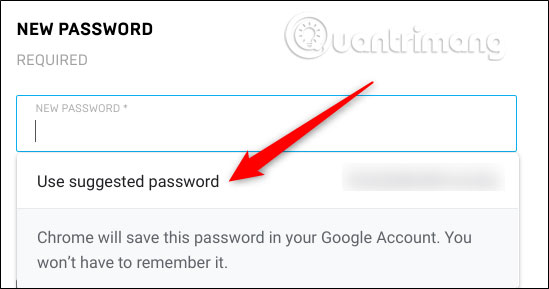
Click 'Save Changes' to change your password.

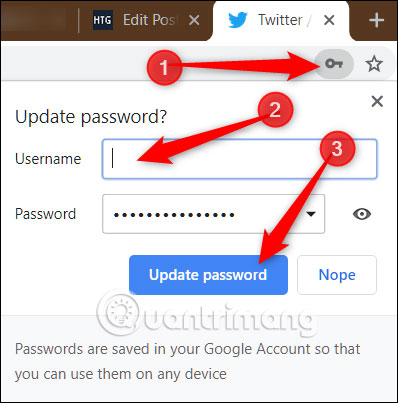
A note when using this feature to change the account's current password is that it may not automatically update in Chrome. In that case, you will need to perform manual updates. This is not difficult. After saving the new password, before you leave the site, click the lock icon in the Omnibox, enter the username for the site, and then click 'Update Password'.
Understandably, not everyone is excited about the idea that Google will handle their passwords. But Smart Lock for Passwords is a free alternative, handy for those who do not want to pay for a password manager or download additional software.
Hope you are succesful.
FAQ
What is How to Using Chrome's Built-in Password Generator about?
It provides a structured overview of chrome, explains the main context, and highlights practical takeaways for readers.
Why does this topic matter?
Understanding the main concepts helps readers evaluate the issue, avoid common mistakes, and make better-informed decisions.
How should readers use this information?
Use the guidance as a practical starting point, confirm details that may have changed, and follow current product, safety, or security recommendations.
Related Articles
 ChatGPT Can Be Used as a Password Generator4 minutes read
 5 Websites Create the Most Powerful Random Password7 minutes read
 Should You Use a Password Generator to Protect Your Online Accounts Explained8 minutes read
 How to Use the Smart Lock Password Generator for Chrome5 minutes read
 Advice on Choosing Suitable Generators for Families7 minutes read
 4 Best QR Code Generator Tools for PDF7 minutes read
Reader Comments 0
Sign in with email or Google to join the discussion.