Table of Contents
This guide compares 3 leading Photo Resize Applications on Your Phone, focusing on useful features, compatibility, ease of use, and overall value.
1. Photo Compress 2.0
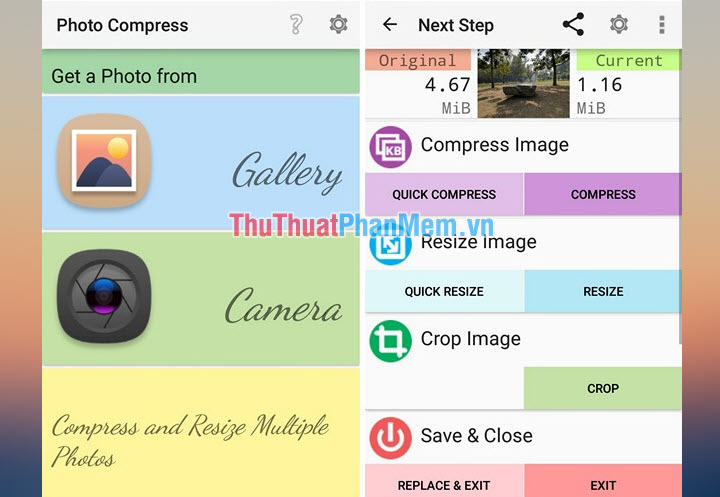
Photo Compress is completely different from other image resizing applications, the software is equipped with 4 different compression modes such as low, medium, high and super high to give you many choices as well as optimal. Chemical fully used his needs. Reduce the maximum image quality, but still retain the image quality as well as fine details, less blurry images together. Capacity after resize is also significantly reduced.
Android link: https://play. google. com/store/apps/details? id=com. saawanapps. photocompress
Link iOS: https://itunes. apple. com/us/app/photo-compress-shrink-pics/id966242098? mt=8
2. Image Converter
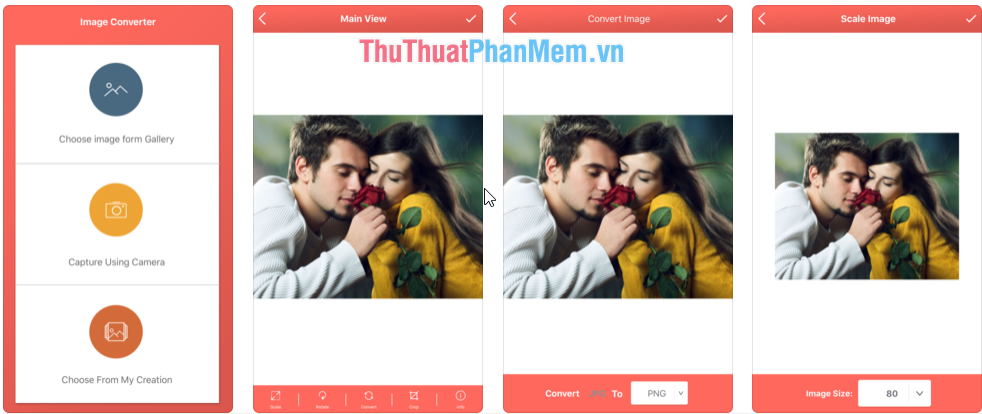
This is a software from developer Paul Asiimwe known for his photo editing software toolkit. Image Converter is software developed specifically for resizing and reducing image sizes. This tool has good resize quality with the ability to fine-tune the parameters while preserving the original image details and colors.
Android link: https://play. google. com/store/apps/details? id=com. paul. icon
Link iOS: https://itunes. apple. com/us/app/the-image-converter/id860858310? mt=8
3. Reduce Photo Size
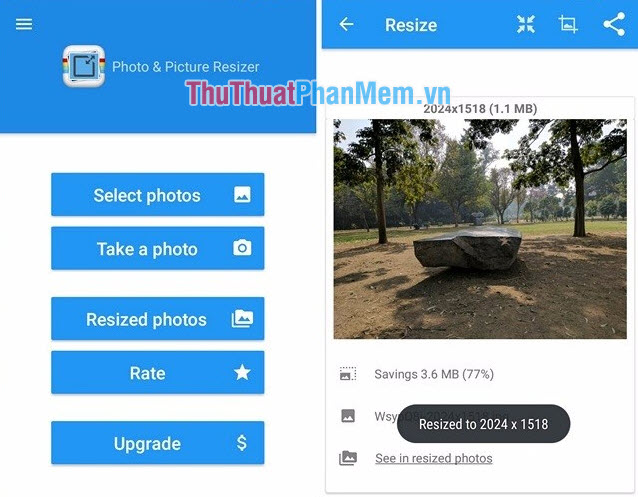
Reduce Photo Size has been ranked in the top rated the most powerful image reduction applications today, equipped with many support utilities, arbitrary resolution adjustment algorithm to help your photos. reduced capacity while maintaining good quality.
Android link: https://play. google. com/store/apps/details? id=com. shoozhoo. imageresizer
Link iOS: https://itunes. apple. com/gb/app/image-size/id670766542? mt=8
Above Software Tips has summarized the top 3 Resize applications, reducing the best image size on both Android and iOS. Have a nice day!
FAQ
How should I choose among Photo Resize Applications on Your Phone?
Compare compatibility, essential features, ease of use, security, support, and total cost rather than choosing only by popularity.
Are free options suitable for everyday use?
Free tools can be sufficient for basic needs, but advanced features, commercial use, or priority support may require a paid plan.
What should I check before installing or using one?
Verify the official source, system requirements, recent updates, privacy practices, and support for your device and file types.
Related Articles
 What Is the Difference Between Crop and Resize? When Should You6 minutes read
 Some Online Photo Resize Services: Online Photo Editing6 minutes read
 Instructions for Resizing Photos with Pic Resize Online4 minutes read
 How to Resize Images Properly in Photoshop9 minutes read
 30 Tools to Support Online Photo Editing Without Using Photoshop11 minutes read
 How to Reduce Photo Size in Batches with High Quality Photo Resize6 minutes read
Reader Comments 0
Sign in with email or Google to join the discussion.