Table of Contents
Maintaining harmony in the family can be difficult at times, especially when there are multiple generations living together.
Maintaining harmony in the family can be difficult at times, especially when there are multiple generations living together. Here are some disagreements in daily routines that can easily lead to major family quarrels.

It is the little things – the seemingly insignificant things – that often spark the most heated arguments. These seemingly small grievances creep into our lives, creating conflict even in the strongest of relationships.
Leave cups everywhere
You may not mind leaving your coffee mug on the kitchen counter, but to others, it can be seen as a sign of disrespect. When mugs are left all over the house, they can quickly become an eyesore, making the space feel cluttered and disorganized. It may seem like a small issue, but it can start a series of disagreements about shared responsibility and mutual respect.
According to Dr. Sophie Robinson, a psychologist specializing in family dynamics, this seemingly small habit can symbolize an underlying lack of consideration. When the issue is attributed to thoughtlessness, it can spark a more serious conflict about valuing space and shared life.
On the other hand, addressing this issue requires empathy and a gentle approach. It is important to explain why the cups are a problem without accusations or blame. Demonstrating that a clean environment improves health can open up a more constructive dialogue. Finding common ground and setting simple house rules can help prevent similar disputes. It is important to focus on solutions that respect both parties' preferences, making the home a harmonious place for everyone.

The wash cycle never ends
Laundry — a daily chore that can create major conflict. For many people, the laundry basket becomes a personal battleground, with each person believing they are doing too much. Frustration often arises when clothes are forgotten or not appreciated, leading to disagreements about responsibilities and workload distribution. This constant source of tension can feel like a tug-of-war where neither party feels they are winning. It is important to recognize that laundry is a regular chore and find a balance in sharing the load.
Breaking this cycle requires open communication and fair division of labor. Discuss which aspects of the laundry process each person dislikes the most and try to divide the work accordingly. For example, one person may hate folding clothes, while the other person doesn't mind quality sleep. Establish a routine that accommodates both schedules and preferences, turning a contentious chore into a collaborative effort. Sharing responsibilities with clear expectations helps defuse resentment that can build up over time in a family.
Temperature "war"
Arguing about temperature is a classic family conflict that seems trivial but can lead to heated arguments. One person may feel like they are living in an igloo while the other is completely comfortable, leading to a clash of preferences.
According to a study by the National Sleep Foundation, temperature affects sleep quality, making it more than just a matter of comfort; it can also affect health. When people disagree about the temperature in their home, it often represents a larger conversation about compromise and meeting each other's needs. The goal is to find a common ground, taking into account both parties' comfort levels.
Discussing and agreeing on temperature ranges can help prevent future disputes. The focus should be on creating a living environment that works for all family members, minimizing conflict and maximizing comfort.
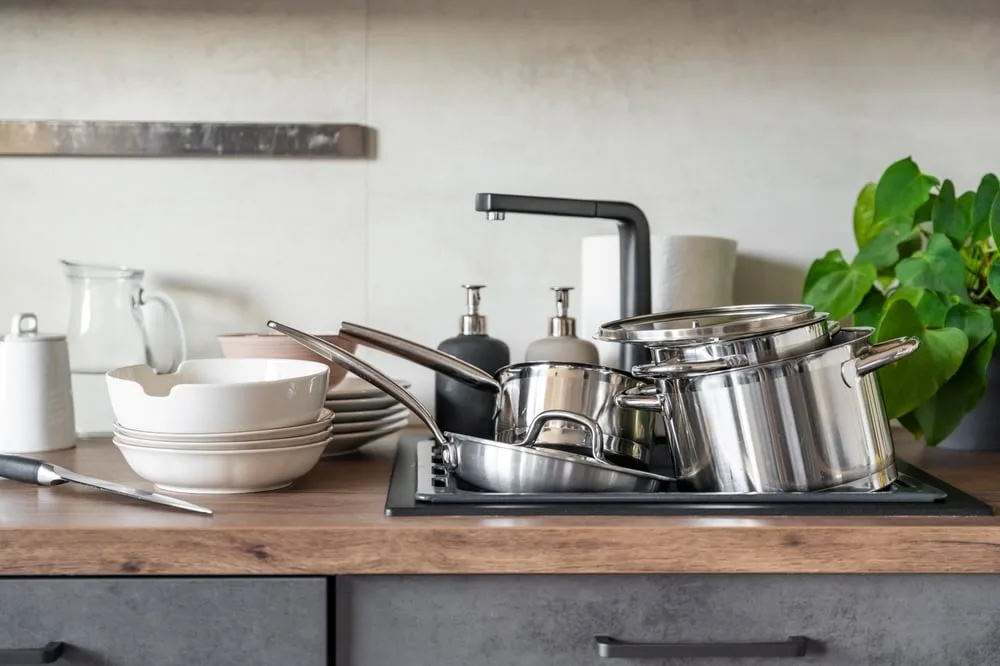
Grumbling about the dishes
A pile of dishes in the sink can be a constant source of conflict in many households. When one person feels like they are always doing the housework, resentment can quickly build. This recurring grievance often leads to accusations of laziness or lack of contribution, which can cause an argument that is much larger than the dishwashing itself. It is important to understand that underlying this issue may be a desire for appreciation and recognition for effort. Resolving this tension requires more than just dividing up the household chores; it also requires recognizing each person's contribution to maintaining the household.
To address this, establish a clear rotation schedule for dishwashing duties. It can also be helpful to discuss why a clean kitchen is important to you, rather than assuming your partner understands your perspective. Expressing appreciation for a completed chore can also help build goodwill.
Remember, the goal is to create a warm home for everyone together. By focusing on teamwork rather than blame, you can turn a contentious issue into a collaborative one.
Never change toilet paper
Running out of toilet paper without a spare can quickly escalate from a minor inconvenience to a full-blown family war. While seemingly trivial, forgetting to replace a roll of toilet paper often reflects deeper issues of shared care and responsibility.
Psychologist Dr. Emily Carter notes that these small actions can add up over time, contributing to feelings of being overlooked or ignored. The toilet paper dilemma becomes a manifestation of a lack of attention to detail and a lack of respect for common needs, often leading to larger arguments about fairness and effort.
To prevent this from happening again, make it a rule that the person who runs out of paper towels must replace the roll. Consider keeping extra paper towels in an easily accessible place to minimize the inconvenience of someone forgetting. Discussing the frustration and explaining how it affects you can promote empathy, understanding, and encourage change. Focusing on finding practical solutions rather than blaming will help get to the root of the problem. By acknowledging each other's needs, you can defuse tensions and create a more collaborative atmosphere in the home.
FAQ
What should you know about small conflicts in the family can easily lead to big arguments?
In practical terms, maintaining harmony in the family can be difficult at times, especially when there are multiple generations living together.
Why does small conflicts in the family can easily lead to big arguments matter?
The article highlights that sophie Robinson, a psychologist specializing in family dynamics, this seemingly small habit can symbolize an underlying lack of consideration.
What is the main takeaway?
The main takeaway is that temperature "war" Arguing about temperature is a classic family conflict that seems trivial but can lead to heated arguments.
Related Articles
 Instructions on how to download Ninja Lead game on PC5 minutes read
 Starting a Business: 4 Things to Remember When Conflicts Occur7 minutes read
 How to Maintain Good Family Relationships10 minutes read
 Terrible Types of Lead Poisoning in History4 minutes read
 28/6 Vietnamese Family Day, Honoring the Good Values of the Family4 minutes read
 How to Display Function Arguments in Excel3 minutes read
Reader Comments 0
Sign in with email or Google to join the discussion.