Table of Contents
A nature walk can be a simple way to take a break, move your body, and pay attention to your surroundings. You do not need a remote trail or a long distance. Choose a safe, accessible place and a duration that fits your energy and schedule.
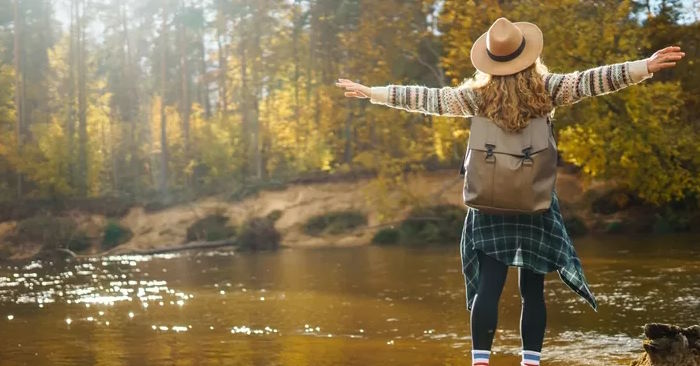
A quiet park loop and a demanding countryside hike need different preparation. Decide whether your aim is a relaxed pause, exercise, or a longer outing, then choose the route accordingly.
Plan a walk you can enjoy
Planning
No two nature walks are the same. Some days you might want to take a two-hour hike, while other days you might only have 15 minutes to spare to enjoy nature.
A great start is to set a goal for today's walk, day by day, it doesn't have to be too far away.
Select location
Want to really get out into nature? Go to nature reserves and parks. Just want to get some fresh air? Find a place that's close to you.
Look for paths with safe footing, suitable access, and some distance from traffic where possible. You can notice trees and birds in an urban setting, but a parking area or roadside is not equivalent to a safe walking route.
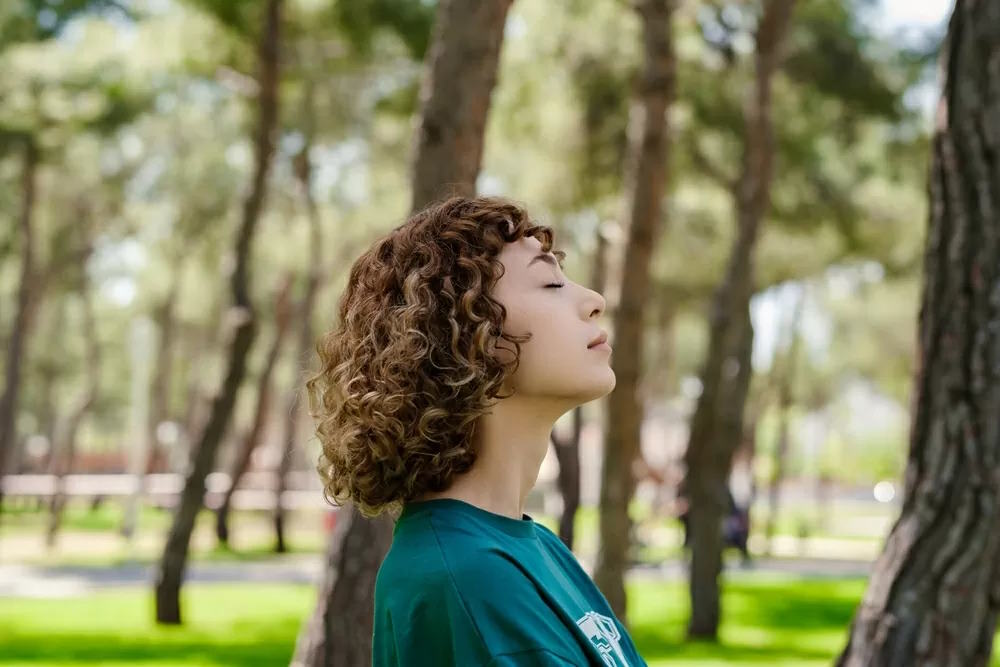
Set a comfortable time and turnaround point
You don't need to meet a 'quota' of outdoor time to have a good nature walk. Whatever your body, schedule, and environment allow is perfect. When preparing for your walk, make sure to time yourself. You don't need to reach the end of the trail or a certain distance. Allow time to return without rushing. Increase distance gradually if you are building a walking routine.
Live in the present
Part of the benefit of walking in nature is that it helps you live in the present moment. You may find it easier to pause repetitive thoughts when you deliberately notice your surroundings, although the experience differs from person to person.
If you have trouble separating yourself from concerns about the past and the future, focus on each sense separately. Identify what you can see, what you can hear, what you can smell, etc. Notice one thing at a time while remaining aware of the path, other people, and traffic.
Observe wildlife without disturbing it
There is so much life going on all around you, and witnessing it can be a unique experience. In this day and age, we are increasingly disconnected from our surroundings. Watch from a distance, stay on the designated path, and avoid feeding wildlife or touching unfamiliar plants. You do not need to identify every species to enjoy observing it.
Meditation
If you have a short break during your walk, consider trying a new meditation technique. Stop in a safe place and try a brief quiet pause if you find it helpful. Keep your eyes open and your attention on your surroundings if the setting requires it; do not close your eyes while walking on an uneven or busy path.
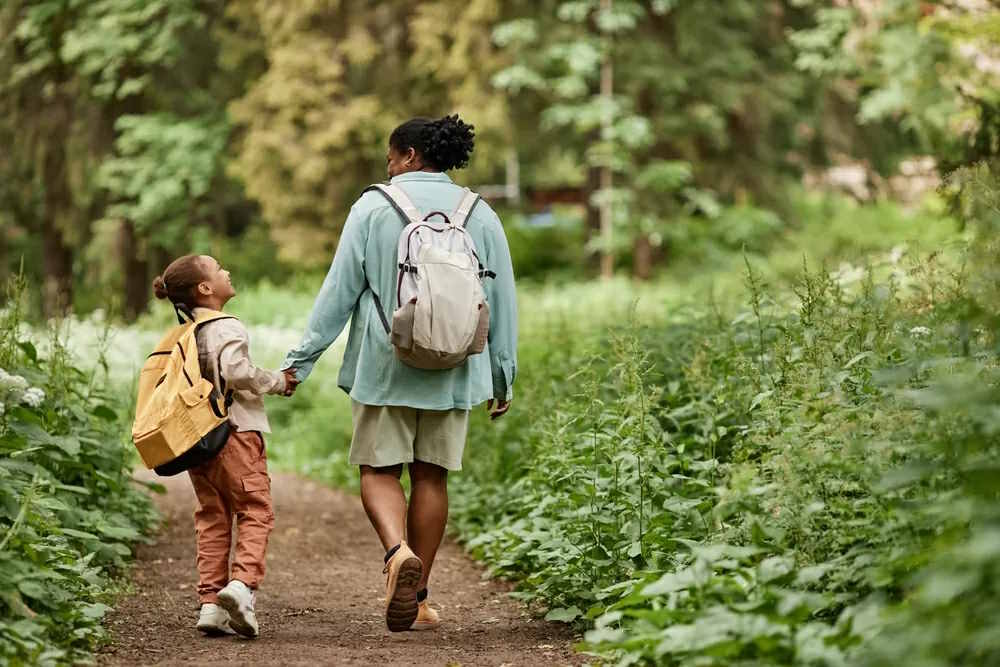
Prepare for the route and conditions
Wear comfortable, supportive shoes and check the weather and local access information. For a longer or remote route, carry appropriate water, clothing, navigation, and other essentials, and tell someone your plan. The National Park Service hiking guide explains why trail conditions and preparation matter.
Keep health claims realistic
Walking contributes to physical activity, and some people find time outdoors enjoyable or calming. It should not be described as a proven way to prevent cancer, eliminate inflammation, or treat an illness. Indoor walking can also be useful when weather, air quality, access, or personal needs make it the better choice.
The NHS walking guide recommends starting with manageable walks and building gradually. If you have a condition that affects exercise, use advice appropriate to your situation rather than forcing a distance target.
After your walk, note what made it pleasant or difficult: route, pace, weather, noise, and duration. Use that observation to choose the next outing, without expecting every walk to produce a particular mood.






Reader Comments 0
Sign in with email or Google to join the discussion.