Table of Contents
This guide provides a clear, practical overview of "Exercises to Help You Walk Faster, Farther and Longer". It organizes the most useful details, explains important considerations, and highlights the steps or choices that matter most.
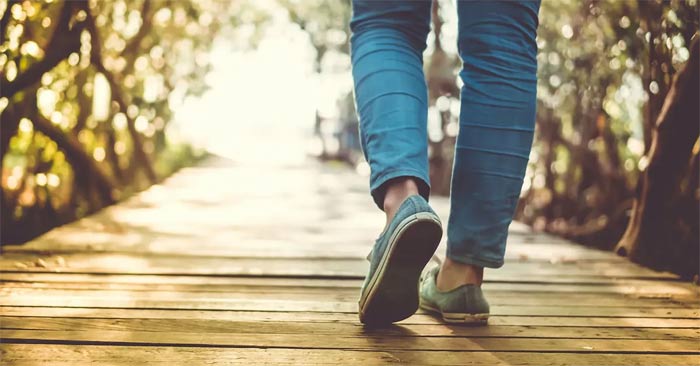
This workout plan is designed to improve balance and stability, hip mobility, flexibility, lower body strength, and core strength—all with the goal of improving gait and walking speed and reducing the risk of injury to help you get the most out of your walking routine.
In addition to your daily workout, walk as much as possible—ideally every day! Aim for at least 30 minutes of walking total, whether it's one long walk or broken up into 5-10 minute walks throughout the day.
How to develop a walking habit
Walking may be a simple exercise, but that doesn't mean it can't be a challenging one! There are a few tips you can use to develop a walking habit and improve your fitness level:
- Duration: One of the easiest goals to set. If you are breaking a sedentary habit or just starting to get back into an exercise routine, five minutes is a great goal. Once you get used to walking for five minutes, increase it to 10 minutes and continue to increase it as you feel more capable. One of the biggest obstacles or excuses for not exercising is that it takes too long. Train your brain to get used to walking for short periods of time and see how quickly you improve when you walk for longer periods of time!
- Pace: Another way you can set a goal is to increase your walking speed. For example, if it initially took you 10 minutes to walk around the block, you could set a goal of walking around the block in eight minutes. To do this, you could start by walking briskly for a short period, then return to your normal pace for a few minutes before increasing your walking speed for another short period to increase your heart rate.
- Distance: Track your distance or steps with your smartphone and focus on walking more and moving more!
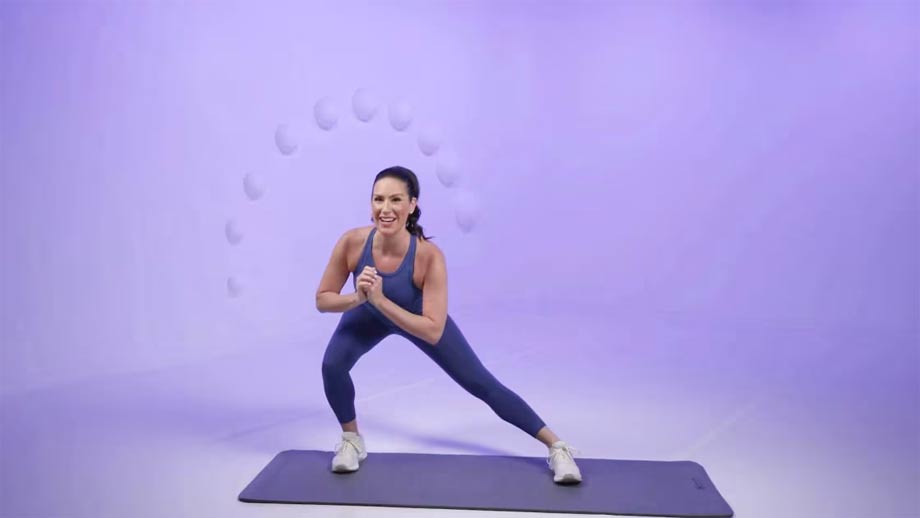
How to Walk Faster, Farther, and Longer
What's the best way to achieve these goals? A combination of gradually increasing your walking routine over time and cross-training.
Gradually increase the intensity, duration, or frequency of your walks each week to include more inclines, longer walks, or increased speed. Cross-training can also be beneficial. Upper and lower body strength training can help you increase your total walking volume. Additionally, activities like swimming or yoga can improve overall fitness without putting too much stress on the muscles of walking, and they also allow you to vary your workout routine and keep your workouts fresh and interesting.
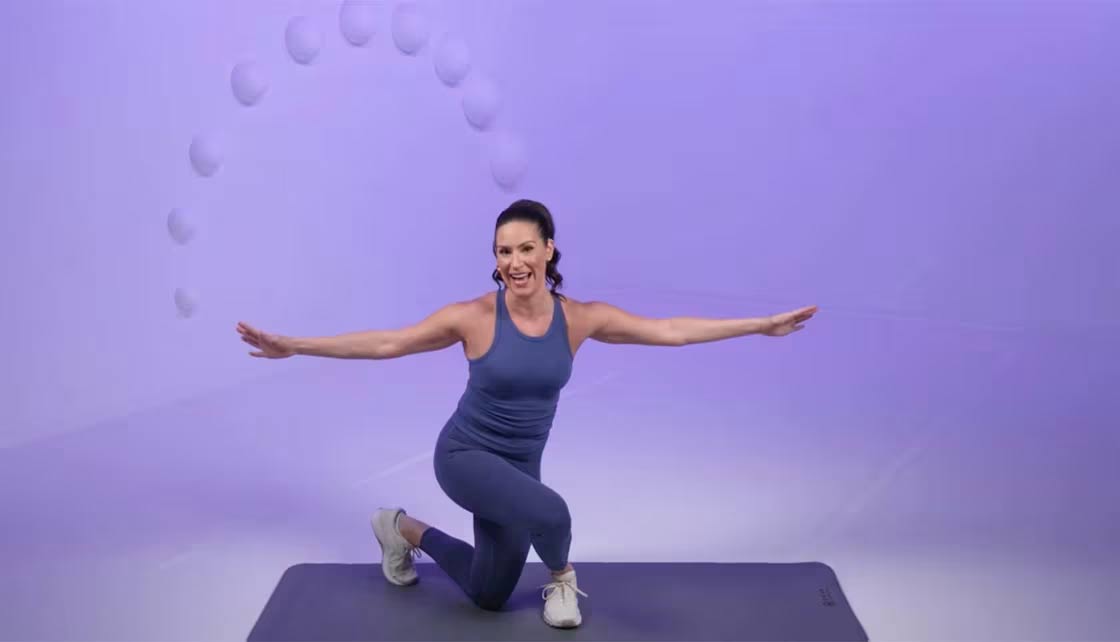
Exercises to help you walk effectively
- Increased lower body strength: Stronger leg muscles provide more power and endurance, allowing you to walk faster and for longer periods of time without feeling tired or exhausted. Lower body strength training also helps stabilize the hips and knees and can help reduce the risk of injury. Exercises like squats, lunges, and calf raises can target the major muscles used when walking, making each step more efficient .
- Core strength: Important for walkers because it helps stabilize the spine and pelvis, which improves posture and balance. A strong core allows for more efficient transfer of force from the lower body to the upper body, which increases walking speed and reduces stress on the back. Core exercises such as planks and bicycle crunches can help you maintain proper posture and prevent injury, making your walk more comfortable and efficient .
- Flexibility: This is essential for walkers, not only to prevent injury but also to improve range of motion. A proper warm-up prepares muscles for work, while a cool-down helps them recover. Dynamic stretches such as toe touches, leg swings, and side bends help increase blood flow and loosen joints before walking, and static stretches help reduce muscle soreness and improve flexibility afterward.
- Flexibility: Prioritizing flexibility in your exercise routine is important because it improves your overall movement and reduces your risk of injury. Focusing on mobility training can help you walk by allowing you to move more efficiently while reducing uncomfortable stiffness. Incorporate exercises like hip rotations, shoulder rotations, and ankle rotations to keep your joints healthy .
FAQ
How to develop a walking habit?
Walking may be a simple exercise, but that doesn't mean it can't be a challenging one! There are a few tips you can use to develop a walking habit and improve your fitness level:
How to Walk Faster, Farther, and Longer?
What's the best way to achieve these goals? A combination of gradually increasing your walking routine over time and cross-training.
What should you know about exercises to help you walk effectively?
Increased lower body strength: Stronger leg muscles provide more power and endurance, allowing you to walk faster and for longer periods of time without feeling tired or exhausted. Lower body strength training also helps stabilize the hips and knees and can help reduce the risk of injury. Exercises like squats, lunges, and calf.
Related Articles
 12 Exercises to Have Strong Legs for All Ages6 minutes read
 Please Download VnDoc's Exercises App to Make Learning Easier5 minutes read
 C ++ Exercises About IF ELSE: Explained2 minutes read
 Standing Exercises Help Burn Belly Fat Faster After Age 45: Complete Guide6 minutes read
 The Art of Outdoor Hiking: How to Use Nature to Recharge Your Energy5 minutes read
 3 Minutes of Exercise Every Day to Keep Your Posture Straight2 minutes read
Reader Comments 0
Sign in with email or Google to join the discussion.