Table of Contents
This guide provides a clear, practical overview of "The Effects of Walking After Eating That You May Not Know". It organizes the most useful details, explains important considerations, and highlights the steps or choices that matter most.
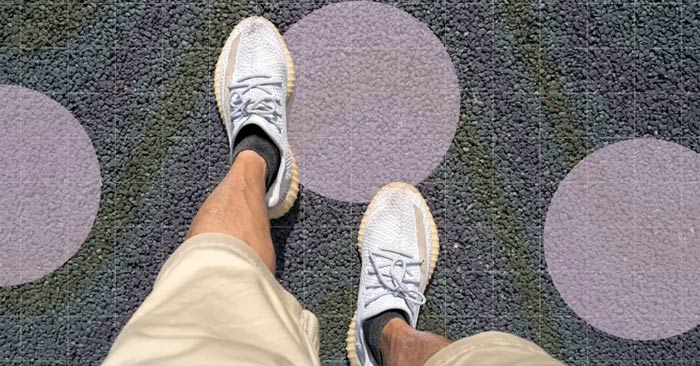
What could be better? Here are the top reasons why taking a walk after meals can be a simple yet effective habit to add to your daily routine.
Lower blood sugar
While you may not notice this benefit right away—unless you wear a continuous glucose monitor or check your blood sugar regularly—walking after meals can help control your blood sugar.
' A brisk walk after a meal can help prevent blood sugar spikes ,' says Chrissy Carroll, RD, CPT, a registered dietitian and personal trainer. She points to research showing that post-meal exercise improves glycemic response and reduces post-meal blood sugar in both people with and without diabetes. Another study of healthy adults who walked for 30 minutes after eating found similar results.
' Moderate-intensity walking, as little as 20 minutes after a meal, can reduce blood sugar response and lower glucose ,' adds Melissa A. Hatton, MS, CPT, CES, PES, CNC, a certified personal trainer and instructor.
Interestingly, walking after a meal provided the greatest benefit compared to walking before a meal. ' For best results, start walking as soon as possible after eating—this provides greater benefit than waiting an hour ,' says Carroll.
Digestive system movement
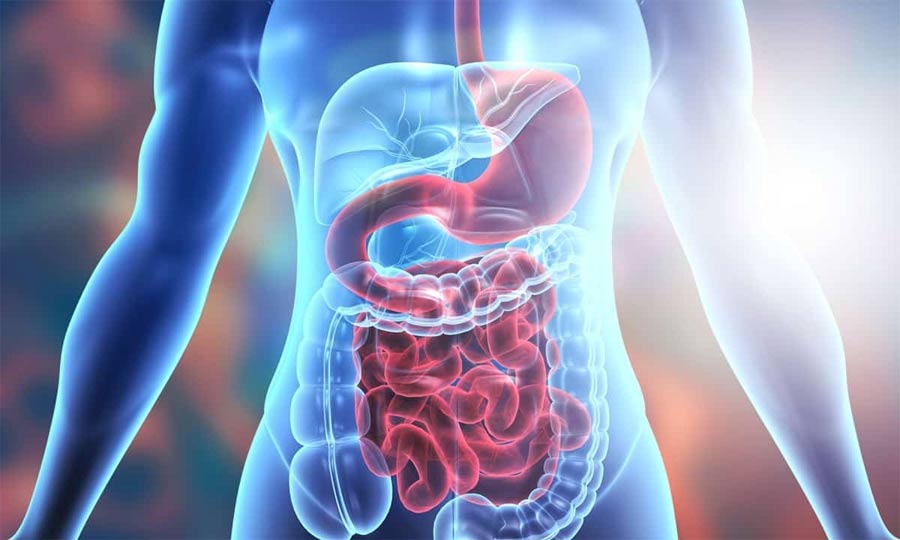
If you often feel bloated after meals, walking may be the solution for you.
' Walking can help stimulate the digestive system, potentially reducing common problems like bloating and constipation. Research shows that taking a short 10- to 15-minute walk after a meal is associated with improved gastrointestinal comfort—including reduced gas, bloating, and abdominal pain, ' says Carroll.
Enhance circulation
' Whenever we exercise, including walking, blood flow is usually focused primarily on the limbs and skeletal muscles to achieve optimal perfusion, ' explains cardiologist Dr Kunal Lal.
Blood perfusion, or the process of transporting oxygen and nutrients through the blood vessels to the body's tissues and organs, helps them function properly and stay healthy. Best of all, this helps increase blood circulation in the body.
Lower blood pressure
Walking is an effective way to lower blood pressure. For example, one study of people with high blood pressure found that blood pressure dropped significantly after a year of regular walking. Even people with resistant hypertension—meaning their condition didn't respond well to conventional medical treatments—saw improvements.
Walking briskly for at least 30 minutes five days a week has been clinically proven to promote weight loss, which can significantly improve blood pressure by at least 8 to 10 pressure points.
Weight loss support
Walking after meals is a gentle, sustained form of exercise that can support weight loss and weight maintenance goals. To lose weight, you need to be in a calorie deficit. Adding walking to your daily routine can help you achieve this goal.
In fact, research shows that even a small amount of aerobic activity—just 30 minutes a week—can lead to modest reductions in weight, waist circumference, and body fat in overweight or obese adults. However, gradually increasing to the recommended 150 minutes of physical activity a week can lead to faster, more effective weight loss.

Improve mood
Have you ever noticed how much better your mood is after breaking a sweat? There's real science behind this. Exercise increases serotonin and dopamine levels and stimulates the release of endorphins – all of which improve your mood and promote positive feelings.
' Any exercise—including walking—can help improve your mood and reduce stress ,' says Carroll. ' Creating a routine around mealtimes will allow you to get more happiness-boosting physical activity into your day, ' she adds. If you can't go for a long walk, try breaking it up into several 15-minute walks throughout the day.
A great way to build a new habit is to 'habit stack' — combine a new habit with something you already do. For example, if you usually do the dishes after dinner, try adding a brisk walk right before or after. It could be a walk around the block, a few laps around the living room, or even walking up and down the stairs.
FAQ
What should you know about lower blood sugar?
While you may not notice this benefit right away—unless you wear a continuous glucose monitor or check your blood sugar regularly—walking after meals can help control your blood sugar.
What should you know about digestive system movement?
If you often feel bloated after meals, walking may be the solution for you.
What should you know about enhance circulation?
' Whenever we exercise, including walking, blood flow is usually focused primarily on the limbs and skeletal muscles to achieve optimal perfusion, ' explains cardiologist Dr Kunal Lal.
What should you know about lower blood pressure?
Walking is an effective way to lower blood pressure. For example, one study of people with high blood pressure found that blood pressure dropped significantly after a year of regular walking. Even people with resistant hypertension—meaning their condition didn't respond well to conventional medical treatments—saw improvements.
Related Articles
 How Does Footwear Affect the Way People Walk: Walking1 minutes read
 This Is What Happens to Your Body When You Eat Ginger Every Day6 minutes read
 Walking Is Good but How and How Much to Lose Weight Effectively4 minutes read
 5 Absolute Things Should Not Be Done After Eating8 minutes read
 Eating Disorders Can Cause Serious Health Problems3 minutes read
 Extremely Simple Secret to Help Prevent Chronic Back Pain: Complete Guide4 minutes read
Reader Comments 0
Sign in with email or Google to join the discussion.