Table of Contents
Remove 'Reserve System' Partition in Windows 7 is easier to understand when the core ideas are paired with practical examples. The sections below explain the topic clearly, highlight useful steps, and point out details that can prevent common errors.
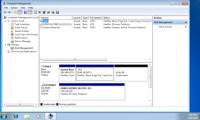
Copy bootmgr from 100MB active partition or recovery partition to C: is extremely simple with EasyBCD. You can download EasyBCD here. The bootmgr will not be moved from the original location - it will only be copied to the C: partition directory. C: partition will be activated and 100MB partition will be deactivated.
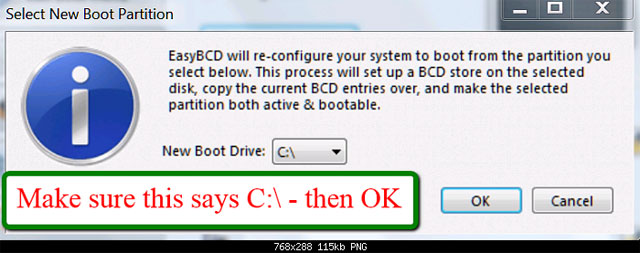
The steps to take are very simple and explained in the following 2 pictures. When opening EasyBCD , the first thing you need to do is find the BCD Backup / Repair section, then click on the Change boot drive item and then click Perform Action .

After you have done the 3 steps above, you will see an image like the one below, all you need to do is click OK .
Good luck!
FAQ
What is Remove 'Reserve System' Partition in Windows 7?
Copy bootmgr from 100MB active partition or recovery partition to C: is extremely simple with EasyBCD.
Why is Remove 'Reserve System' Partition in Windows 7 important?
A clear understanding of Remove 'Reserve System' Partition in Windows 7 helps you make informed decisions, avoid common mistakes, and use the relevant tools or techniques more effectively.
How should beginners approach Remove 'Reserve System' Partition in Windows 7?
Start with the fundamental concepts, follow the examples step by step, and test each change in a safe environment before applying it to important systems or data.
Related Articles
 This Is How to Delete Recovery Partition and Recovery Partition11 minutes read
 Instructions: Remove Windows 8 from Dualboot System5 minutes read
 4 Ways to Quickly Check the Partition Type on Windows 115 minutes read
 How to Extend System Volume: Step-by-Step Guide5 minutes read
 Expand the System Partition in Windows 76 minutes read
 Learn About 100MB Partition When Installing Windows 7/8 // 8.15 minutes read
Reader Comments 0
Sign in with email or Google to join the discussion.