Table of Contents
This updated guide examines Remote Management on Windows Server 2012 with Remote Management and organizes the essential facts, background, and practical takeaways in clear American English.
Turn on the remote driver on Windows Server 2012
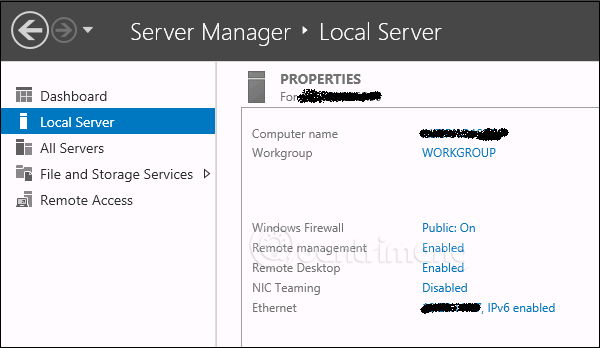
By default, this utility is enabled, you can check it by going to Server Manager > Local Server :
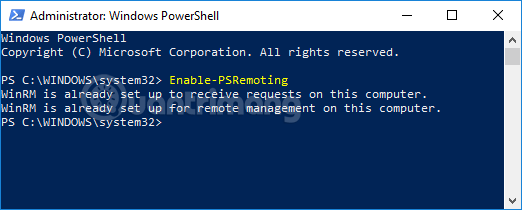
In case Remote Managemant Service is turned off, you can reactivate by opening PowerShell (with Admin rights) and entering Enable-PSRemoting as follows:
Another way to enable this utility, click Server Manager > Local Server > click Disabled at the Remote management line, select Enable .

Add Server for Remote Management
To add other servers to the remote, follow these steps:
Step 1: Open Server Manager > Dashboard > select Add other servers to manage .

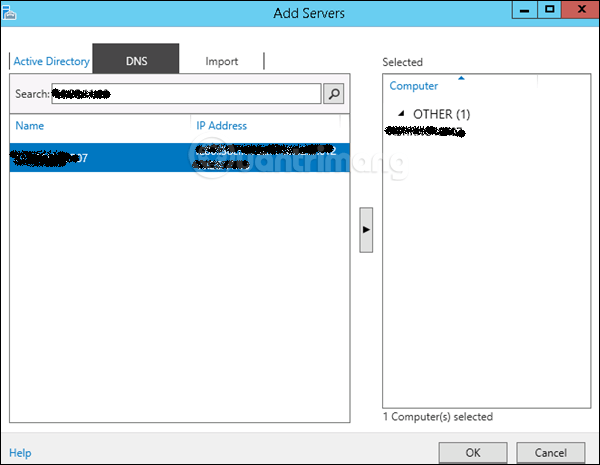
Step 2: If the server is connected to the domain, you add the Active Directory option, in the example below the server is not connected, so the user selects the second option DNS. In the Search box> enter the IP of the server you want to add> click the small arrow (turn to the right)> OK.
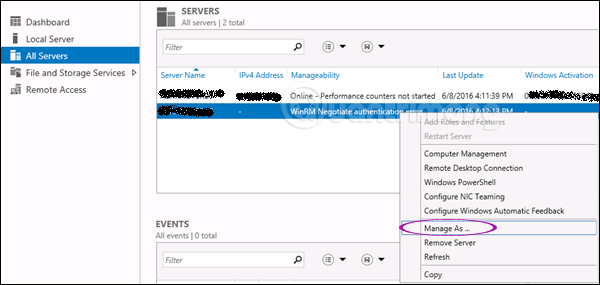
Step 3: Open Server Manager> select All Servers, you will see all the servers you have added. Because the server in the image is in the Worl Group, the right-click server on the server, select Manage As:
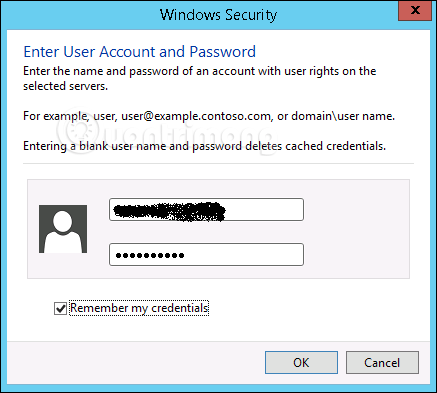
Step 4: Enter the credentials of the remote server including account name and password> click OK.
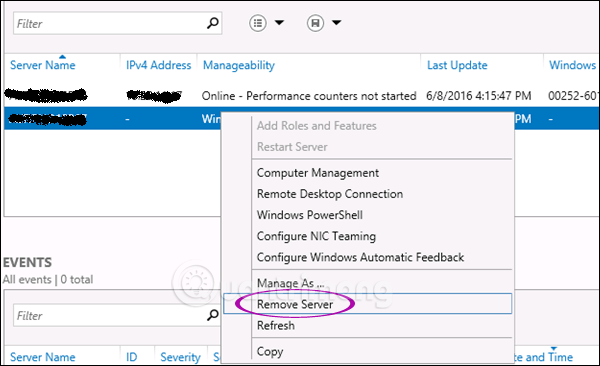
To delete an added server, right-click on the server and select Remove Server.
:
- Instructions on how to use PowerShell in Windows Server 2012
- Install Role, configure role on Windows Server 2012
- Instructions for installing Windows Server 2012 step by step
FAQ
What is Remote Management on Windows Server 2012 with Remote Management about?
It provides a structured overview of Remote Management, explains the main context, and highlights practical takeaways for readers.
Why does this topic matter?
Understanding the main concepts helps readers evaluate the issue, avoid common mistakes, and make better-informed decisions.
How should readers use this information?
Use the guidance as a practical starting point, confirm details that may have changed, and follow current product, safety, or security recommendations.
Related Articles
 Install and Configure Hyper-v Tools for Remote Management15 minutes read
 How to Enable Remote Desktop Management in Windows Server 20122 minutes read
 How to Install Remote Server Administration Tools (RSAT) in4 minutes read
 Remote Computer Management in Windows Server 2008 R24 minutes read
 Deny Access When Managing Hyper-v Remote Server in Workgroup3 minutes read
 Install Windows Server 2003 and Create a Backup Server1 minutes read
Reader Comments 0
Sign in with email or Google to join the discussion.