Table of Contents
This updated guide examines Screen: How to Zoom in on a PC and organizes the essential facts, background, and practical takeaways in clear American English.
Method 1of 2:
Using a Web Browser
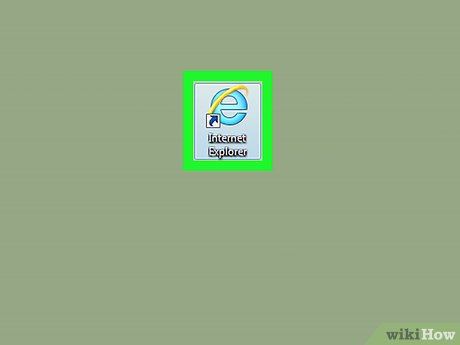 Open a web browser. Popular Windows browsers include Explorer, Chrome, and Firefox.
 Click onView. It's in the menu bar at the top of the screen.
- In Firefox pressAltto display the menu bar with the "View" drop-down.
- In Chrome, click on ⋮in the upper-right corner to display a menu with the zoom option.
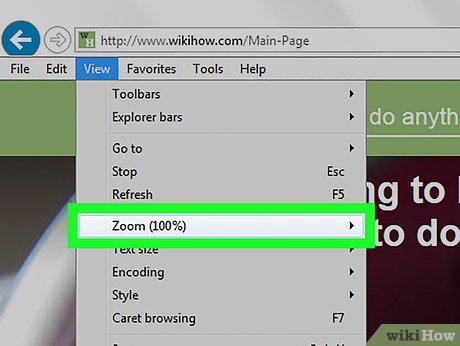 Click onZoom. It's near the middle of the drop-down menu.
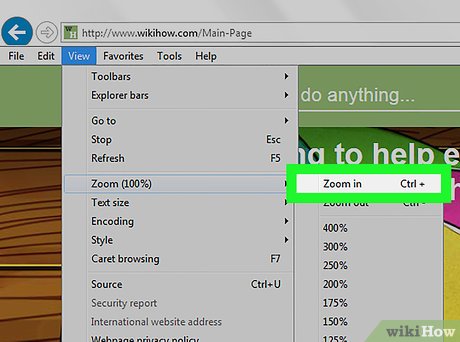 Click onZoom In. It's at the top of the drop-down menu.
- In most browsers, you can also pressCtrl++. Each time you tap+while holdingCtrl, the screen magnification will increase until it reaches the maximum zoom level.
- If you have a mouse with a scroll wheel, you can press and holdCtrlwhile scrolling forward on the scroll wheel to zoom in.
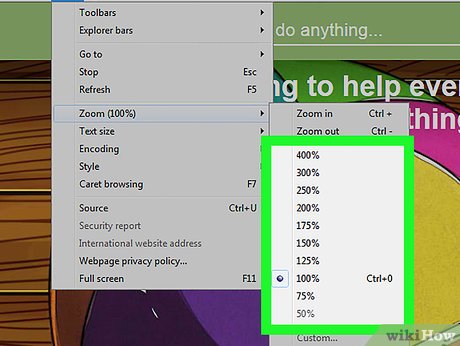 Select a magnification level. The text, images, and objects displayed in the browser window will be enlarged by the percentage you select.
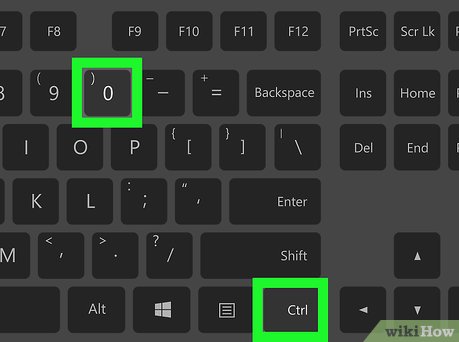 PressCtrl+"0"to return the screen to default magnification.
- To reduce your screen's magnification, zoom out.
Method 2of 2:
Using Magnifier in Windows
 Open a Windows search.
- In Windows 8 and 10, press⊞Win+S.
- In Windows 7, click on the Start menu in the lower-left corner screen.
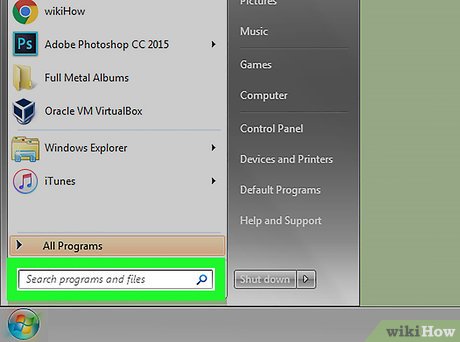 Click in the "Search" field.
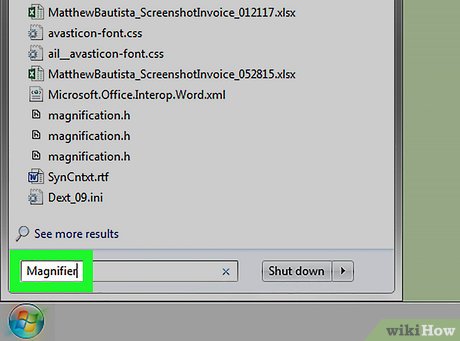 Type "Magnifier. "
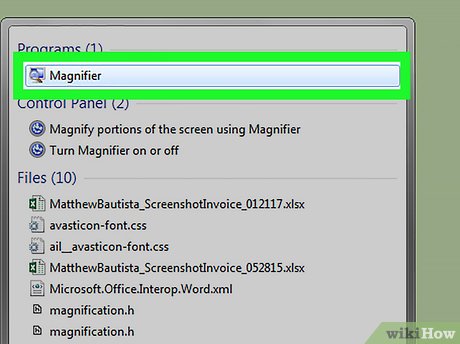 Click on or tapMagnifier. It will appear in the results list as you type.
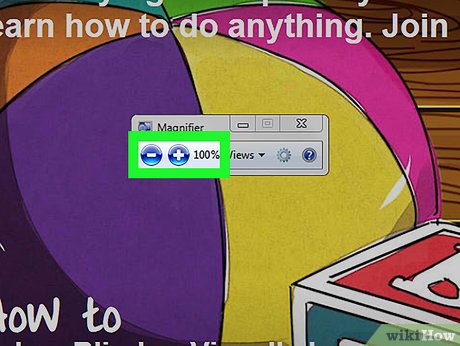 Move the magnification slider. It's under "Magnifier." Doing so turns on magnifier and allows you to set the level of magnification you want.
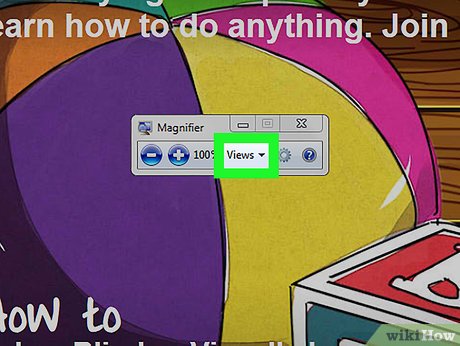 Click onView.
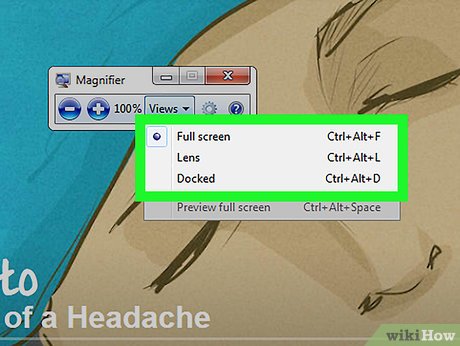 Select a view. If you're using a mouse or trackpad, you can choose from:
- Full-screen , which magnifies the entire screen.
- Lens which acts like a magnifying glass that you move around the screen.
- Docked , which magnifies only a fixed portion of the screen. This option may not be available in Windows 7.[1]
FAQ
What is Screen: How to Zoom in on a PC about?
It provides a structured overview of screen, explains the main context, and highlights practical takeaways for readers.
Why does this topic matter?
Understanding the main concepts helps readers evaluate the issue, avoid common mistakes, and make better-informed decisions.
How should readers use this information?
Use the guidance as a practical starting point, confirm details that may have changed, and follow current product, safety, or security recommendations.
Related Articles
 How to Install Zoom on a Mac4 minutes read
 Why Doesn't Zoom Sound? Zoom Error Has No Sound5 minutes read
 How to Zoom Out on a Mac4 minutes read
 How to Secure Your Zoom Account, Avoid Leaking Personal Data3 minutes read
 How to Zoom Out on Mac: Practical Guide8 minutes read
 Is It Safe to Use Zoom? Things to Know6 minutes read
Reader Comments 0
Sign in with email or Google to join the discussion.