Table of Contents
This updated guide examines How to Activate the New Microsoft Edge Crapware Blocker and organizes the essential facts, background, and practical takeaways in clear American English.
The unwanted application is crapware
This browser feature blocks 'unwanted applications', also known as PUP programs. PUP has many malicious features like adware, trackers, cryptocurrency mining tools and other miscellaneous things you almost certainly don't want on your PC. You authorize the installation of this software when clicking on the license agreement, so it is not technically malicious.
Microsoft will not prevent downloading crapware by default in Microsoft Edge, so you need to know if crapware blocking exists and go to Settings to find it. A quick change will force Edge to block this software. It works similarly to the hidden option, which helps Windows Defender block crapware on the desktop.
Edge, Chrome, Firefox and other browsers have blocked potentially dangerous downloads, but this option helps Edge go further and block some of the junk software it usually allows.
How to block PUP programs in Edge
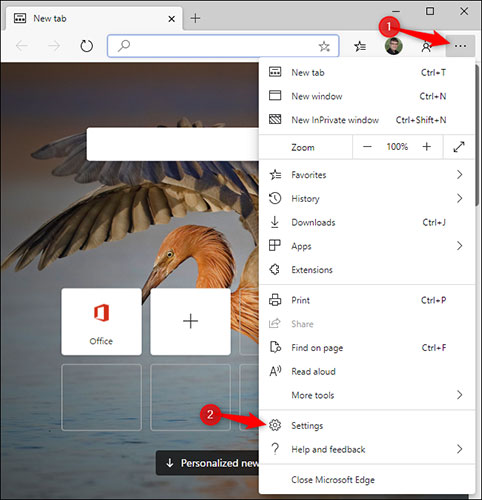
To turn on the crapware blocker in the new Microsoft Edge, click Menu> Settings .
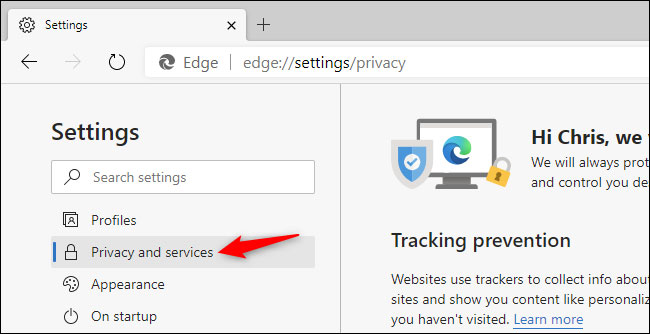
Click on the 'Privacy and services' option in the left panel.
Scroll to the bottom of the list here. In Services , enable the 'Block potentially unwanted apps' option .
(If you don't see this option, you haven't upgraded to Microsoft Edge 80. To see what new version of Microsoft Edge you have, click Menu> Help & feedback> About Microsoft Edge .)
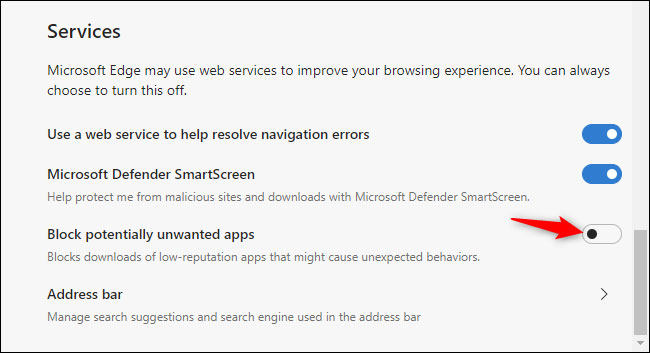
You can now close the Settings page . Microsoft Edge will be more active in blocking downloads that contain objectionable software that you do not want to appear on the system.
FAQ
What is How to Activate the New Microsoft Edge Crapware Blocker about?
It provides a structured overview of Microsoft Edge, explains the main context, and highlights practical takeaways for readers.
Why does this topic matter?
Understanding the main concepts helps readers evaluate the issue, avoid common mistakes, and make better-informed decisions.
How should readers use this information?
Use the guidance as a practical starting point, confirm details that may have changed, and follow current product, safety, or security recommendations.
Related Articles
 What Is Crapware? How to Remove Crapware Software from the4 minutes read
 How to Enable the Built - in Ad Blocker in Microsoft Edge on Android5 minutes read
 Why Shouldn't You Trust Microsoft Edge's VPN: Key Reasons Explained7 minutes read
 Activate the Dark Theme on the Edge Browser2 minutes read
 6 Cool Microsoft Edge Features You Shouldn't Miss: Practical Guide6 minutes read
 Instructions for Restoring Microsoft Edge on Windows 104 minutes read
Reader Comments 0
Sign in with email or Google to join the discussion.