Table of Contents
This guide provides a practical overview of Do Not Round Numbers in Excel, Turn Off Rounding, including its main features, benefits, limitations, and important considerations.
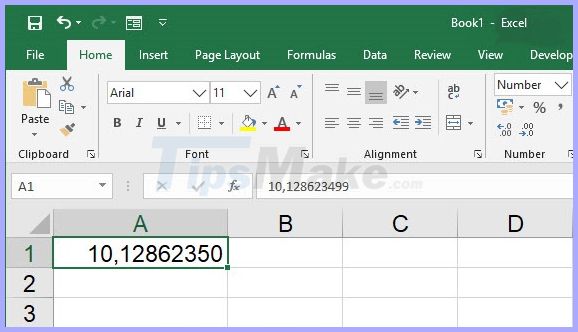
You can use the Increase Decimal or Decrease Decimal function in the Number group of the Home ribbon to display the decrease or increase the display after the decimal point.
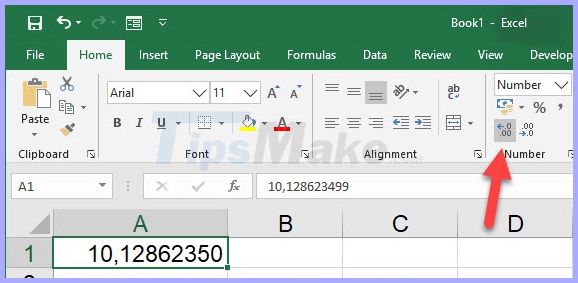
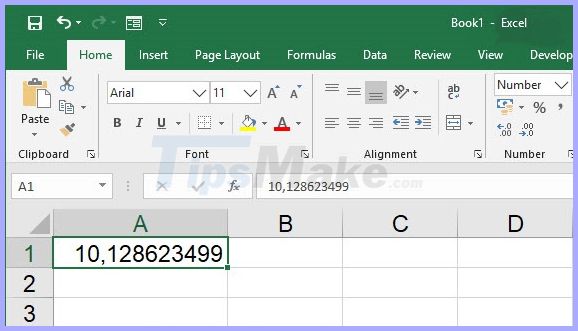
The results you can display all the numbers and will not be rounded.
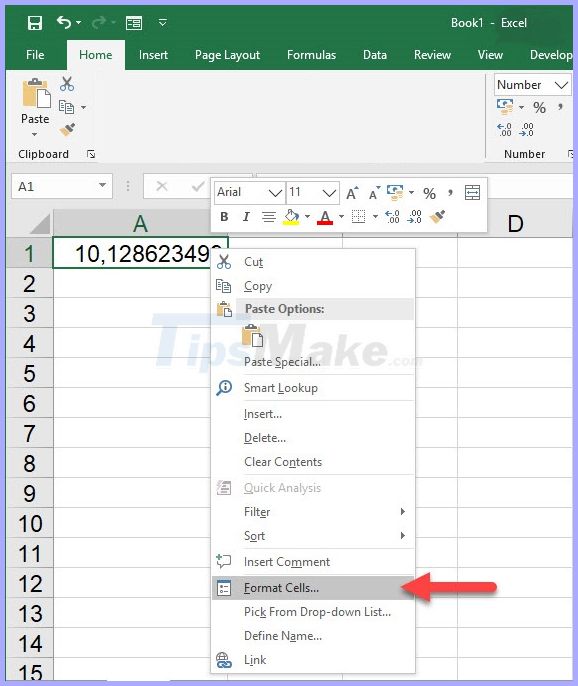
Or to perform the above function, you can also use another method that is right-clicking on the data box, then selecting Format Cell in the list of options displayed.
In the Format Cell table, open the Number tab, select Number in the Category field, and then enter the number of numbers after the decimal point you want to display.

The results you have shown are decimals that are not rounded.

In case you feel that displaying the entire range makes the width of the data column too long, you can reduce the font size to display the full number range in the area of that data box:
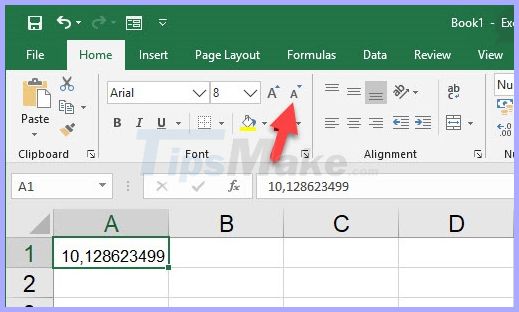
Or you can choose to follow these steps so that Excel will help adjust the size of your number to fit the size of the data column.
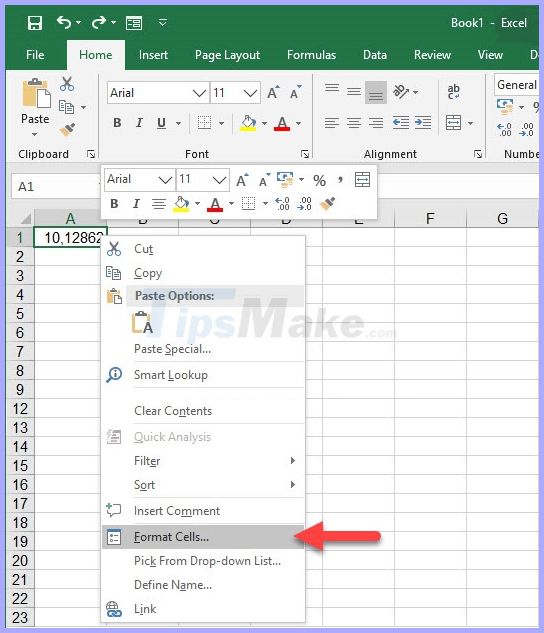
You right-click on the data box, then select Format Cell in the list of display options.
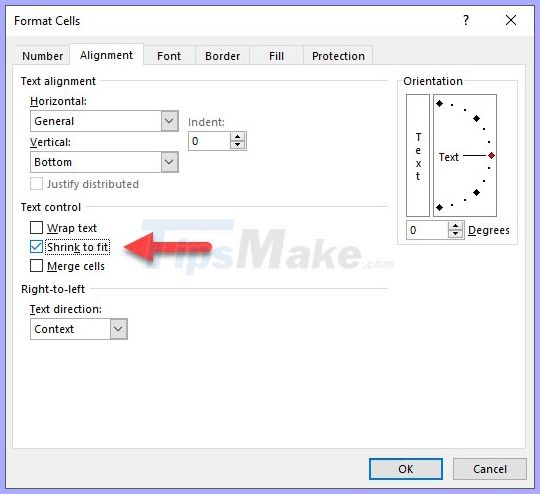
The Format Cells function window appears, switch to the Alignment tab.
Next, you put a tick on the Shrink to fit line in the Text Control section.
Finally click OK to confirm the settings.
As a result, your number line will be narrowed to fit the width of the data column.

FAQ
What should I know about Do Not Round Numbers in Excel, Turn Off Rounding?
Focus on the key features, requirements, limitations, and practical use cases explained in this guide.
How do I get the best results with Do Not Round Numbers in Excel, Turn Off Rounding?
Follow the recommended steps, use current software or information, confirm compatibility, and review settings before major changes.
Are there any risks or limitations?
Potential limitations depend on compatibility, data quality, cost, privacy, support, and how the product or method is used.
Related Articles
 How to Use the Rounding Function in Excel Simply and Effectively7 minutes read
 Ways to Round Numbers in Excel: Round Function Excel Number6 minutes read
 Rounddown Function: Syntax and Usage for Rounding Numbers Down in Excel3 minutes read
 How to Round Numbers Using the Roundup Function in Excel4 minutes read
 Instructions for Rounding Decimal Numbers After Commas in Excel2 minutes read
 Instructions for Rounding Numbers on Casio Calculators: Key Facts5 minutes read
Reader Comments 0
Sign in with email or Google to join the discussion.