Table of Contents
Everyone wants to live clean and healthy every day. However, many common habits that many people consider clean actually pose a potential health risk.
Everyone wants to live clean and healthy every day. However, many common habits that many people consider clean actually pose a potential health risk.
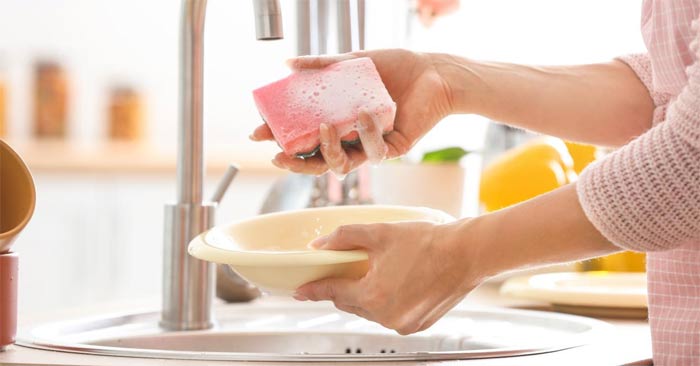
Rinse raw meat under running water.
Raw meat itself can carry large amounts of bacteria, such as Salmonella and E. coli. Washing meat under running water can cause water droplets containing bacteria to splash onto knives, cutting boards, or utensils used for cooked food, causing cross-contamination and increasing the risk of foodborne illness.
Soak raw meat in a bowl or basin of water, then gently rub the surface of the raw meat with your hands to avoid splashing water.
Wrap food in paper towels
When there are no other food containers available, many people choose to wrap their food in paper towels. In fact, this is absolutely not recommended!
Ordinary paper towels are not food grade and contain chemicals such as fluorescent agents and whitening agents. Direct contact with food can be hazardous to human health. Therefore, to ensure food safety, it is recommended to use specialized food wrap or fresh-keeping bags to do so.

Wipe the table regularly with a cloth
The rag itself is a breeding ground for bacteria. If it is not cleaned and disinfected regularly, it will be covered with bacteria, mold and other microorganisms. When such a rag helps wipe the table, the bacteria will spread to the table, then contaminate the items on the table, such as dishes and food, increasing the risk of illness.
When wiping the table with a rag, you should pay attention to the cleanliness of the rag. It is recommended to boil the rag in boiling water mixed with a little alkali for about 5 minutes every three to four days, and replace it with a new rag every two to three months.
Fold the blanket as soon as you wake up
Folding the blanket after waking up in the morning may seem like a normal thing and many people consider it a sign of cleanliness, but in terms of hygiene, this is unscientific.
After a night's sleep, the human body will secrete substances such as sweat and dandruff, which will stick to the blanket. If you fold the blanket right after waking up, these dirt will easily stick to the blanket, creating conditions for bacteria to grow.
The correct way is to turn the blanket after waking up, open the window to ventilate, let the moisture and odor on the blanket escape, and fold the blanket after washing or wait a while.
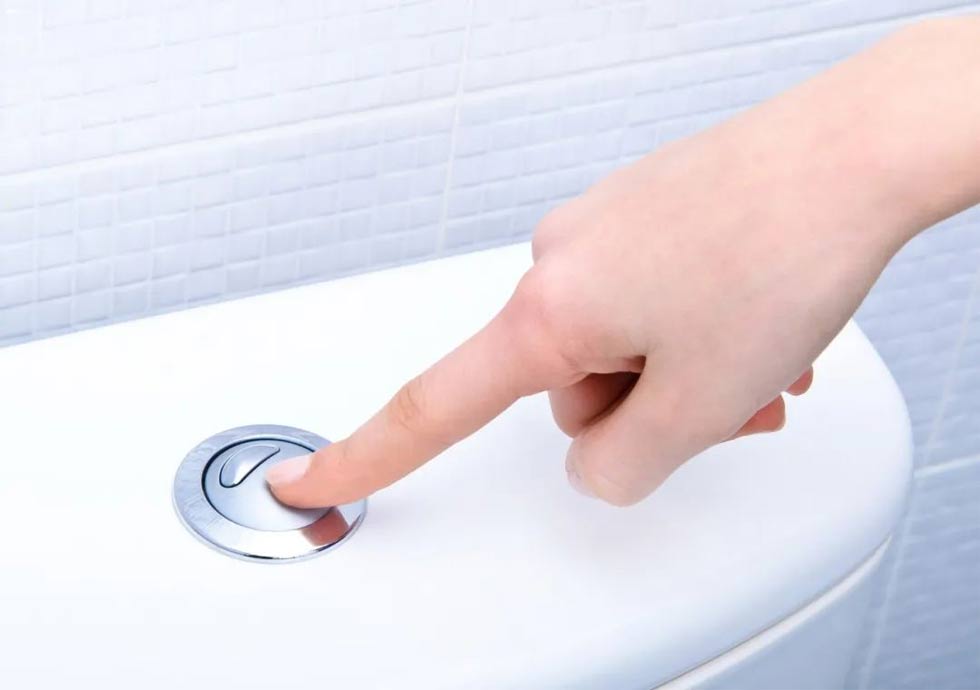
Flushing the toilet halfway
Some people flush the toilet halfway to avoid odors or prevent feces from sticking to the toilet bowl, but this action actually poses a major health risk.
When the flush button is pressed, bacteria and viruses in the toilet will form aerosol particles that are released by the air stream. These aerosol particles can remain in the air for hours and can be inhaled into the body, causing respiratory infections and other diseases. Moreover, if the toilet lid is not closed tightly, bacteria will splash onto surrounding objects and people, causing cross-infection.
Therefore, to ensure the health of yourself and your family, you should close the toilet lid before flushing and wash your hands promptly after using the toilet.
FAQ
What should you know about seemingly clean habits turn out to be unexpectedly 'dirty'?
In practical terms, everyone wants to live clean and healthy every day. However, many common habits that many people consider clean actually pose a potential health risk.
Why does seemingly clean habits turn out to be unexpectedly 'dirty' matter?
The article highlights that however, many common habits that many people consider clean actually pose a potential health risk.
What is the main takeaway?
The main takeaway is that the correct way is to turn the blanket after waking up, open the window to ventilate, let the moisture and odor on the blanket escape, and fold the blanket after washing or wait a while.
Related Articles
 4 Seemingly Harmless Email Habits That Hackers Use Against You5 minutes read
 See How Dirty Your Phone Is and How to Clean It Properly2 minutes read
 How to Clean iPhone Speakers6 minutes read
 20 Technology Habits That Change Lives (Part 2)8 minutes read
 How to Clean the iPhone Charging Port3 minutes read
 How to Clean a CD Player: Step-by-Step Guide10 minutes read
Reader Comments 0
Sign in with email or Google to join the discussion.