Table of Contents
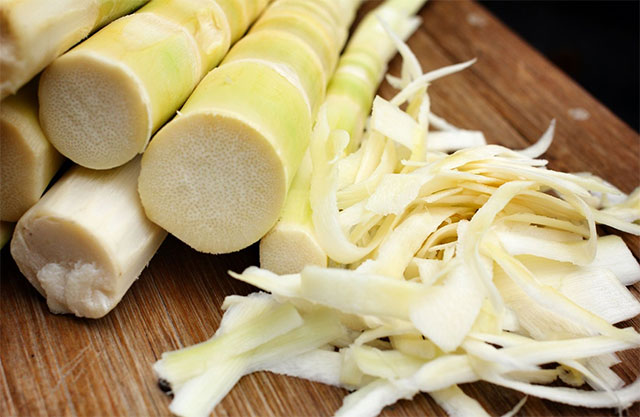
Bamboo shoots are a low-fat vegetable that can provide fiber, amino acids, vitamins, and minerals. A 2025 systematic review found early signs that bamboo foods or extracts may affect blood sugar, blood lipids, bowel function, and antioxidant activity. The evidence is promising, but it is too limited to justify calling bamboo shoots a treatment or a proven “superfood.”
What the review examined
The paper, Bamboo consumption and health outcomes: A systematic review and call to action, searched PubMed and Web of Science through October 2024. It included 16 studies, ranging from human research to laboratory experiments involving human cells or food processing.
Only four of the included studies involved people, and they differed substantially in design and outcome. That matters: findings from a small dietary intervention, a fortified food trial, an observational study, and laboratory work cannot be combined into a firm clinical recommendation. The authors explicitly called for better experimental trials before concrete health claims are made.
Potential benefits identified
- Blood sugar: one study of a bamboo-shoot-fortified food reported a smaller rise in glucose after eating. This does not establish that ordinary servings prevent or manage diabetes.
- Cholesterol and bowel function: a small dietary study reported changes in lipid measures as well as more frequent and larger bowel movements.
- Antioxidant and anti-inflammatory activity: human and cell studies found changes in relevant biomarkers, but a biomarker result is not the same as proof that a food prevents disease.
- Food processing: laboratory studies suggested some bamboo extracts can reduce the formation of acrylamide or furan under specific processing conditions. This finding concerns controlled formulations, not a guarantee that adding shoots to any fried food makes it safer.
The Anglia Ruskin University research summary describes the findings, while the published review provides the important limitations. Readers interested in how fiber fits into an everyday diet can also see TipsMake's overview of fiber-rich foods.
Nutrition depends on the product
Bamboo shoots generally contain plenty of water, little fat, and useful amounts of fiber and micronutrients. Exact values vary with the bamboo species, harvest stage, preservation method, and serving size. Fresh, canned, fermented, and dried shoots should not be treated as nutritionally identical. Canned products may also contain added sodium, so checking the label is more useful than relying on a single generic nutrition claim.
Do not eat raw or improperly prepared bamboo shoots
Some species contain cyanogenic glycosides that can release cyanide. The review also discussed a possible thyroid concern based largely on one observational study and supporting animal evidence. It did not prove that normally prepared bamboo shoots cause goiter, but it reinforces the need for correct processing.
- Do not taste raw shoots or assume an unfamiliar variety is safe uncooked.
- For fresh shoots, peel and cook them according to reliable instructions for that species or the supplier's directions. Boiling and discarding the cooking water are common processing steps, but required treatment can vary.
- Commercially canned shoots are already processed; drain or rinse them if the recipe and label allow, then heat as directed.
- Discard products with damaged packaging, an unusual odor, or other signs of spoilage. TipsMake's food-storage guide covers general handling principles for cooked, canned, and dried foods.
Anyone with a thyroid condition, diabetes medication, a food allergy, or another reason to make a major dietary change should get individualized advice from a qualified clinician. Bamboo shoots can be part of a varied diet when properly prepared, but the current research does not support using them in place of medical care.
Related Articles
 Proper Dry Soaking Helps Eliminate Toxins: Dried Bamboo Shoots3 minutes read
 You Know How to Cook Delicious Bamboo Shoots in the Right Way7 minutes read
 Top AI Tools for in-Depth Research11 minutes read
 Strange Story About Frogs Laying Eggs and Taking Eggs in Bamboo Trees4 minutes read
 Top AI Tools to Support Essay Writing and Scientific Research9 minutes read
 ASUS U6 Bamboo Made from Bamboo4 minutes read
Reader Comments 0
Sign in with email or Google to join the discussion.