Table of Contents
When you are sick, focus on fluids, rest, and food you can tolerate. There is no universal list of foods that everyone with a cold or flu must avoid. A sore throat, nausea, and diarrhea call for different adjustments.

Spicy food: let your symptoms guide you
Very spicy meals may be uncomfortable if your throat is irritated or your stomach is unsettled. Choose milder foods if they trigger pain, nausea, or loose stools. You do not need to eliminate ordinary seasoning simply because you have a runny nose.
Caffeine: consider sleep and stomach comfort
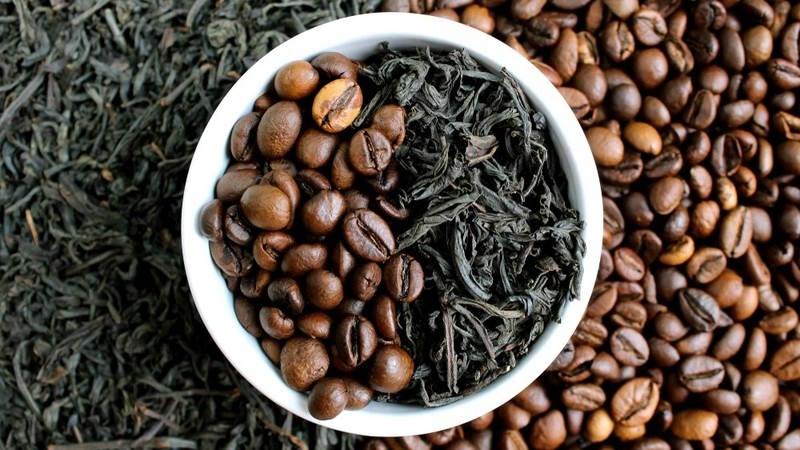
Coffee and tea are not automatically dehydrating. Mayo Clinic explains that the fluid in a typical caffeinated drink generally offsets its diuretic effect.
Still, caffeine may disturb sleep or aggravate an upset stomach. Cut back if those effects matter for you, and avoid relying on strong coffee or energy drinks instead of water and food.
Alcohol: choose another drink while recovering
Alcohol is a poor choice when maintaining hydration and comfortable rest is difficult. It can also be unsuitable with some medicines. Check the medicine leaflet or ask a pharmacist instead of assuming that a cold remedy is compatible with drinking.
Greasy food and sugary drinks: especially with diarrhea
The NIDDK guidance for viral gastroenteritis notes that high-fat foods, caffeine, large amounts of simple sugars, and sometimes milk products can worsen diarrhea. Viral gastroenteritis is a digestive illness; it is different from influenza despite the nickname “stomach flu.”
If a fried meal or very sweet drink makes your symptoms worse, choose a more tolerable option. This does not mean that fat “steals energy” from your immune system or that a small sweet food necessarily worsens a respiratory infection.
Cold food is not automatically bad for a sore throat
Cool, soft foods can be soothing. The NHS sore-throat guidance includes cool foods and ice lollies among comfort measures. Choose what is comfortable rather than banning ice cream solely because it contains sugar. If dairy worsens digestive symptoms, use another soft food.
What to prioritize instead
Drink regularly and eat manageable portions. Water, soup, toast, rice, or other familiar foods may be easier when appetite is low. For a digestive illness, return to your usual diet as your appetite allows; fasting or an unnecessarily restricted diet is not a treatment.
If bloating is the main issue, see TipsMake’s discussion of bowel habits. Be cautious with products promising rapid recovery; its guide to dietary supplements explains why marketing claims need scrutiny.
Seek care if you cannot retain fluids or have signs of dehydration. For flu, the NHS recommends medical advice for people at higher risk, severe illness, breathlessness, or symptoms that are not improving. Sudden chest pain, severe breathing difficulty, or coughing up blood needs emergency care.





Reader Comments 0
Sign in with email or Google to join the discussion.