Table of Contents
Explore eating foods containing this substance can help reduce the risk.
A research team from King's College London says that those who follow a diet rich in polyphenols tend to have a lower predicted risk of cardiovascular disease (CVD).
Polyphenols are a group of naturally occurring compounds found in plants, linked to numerous potential benefits for the heart, brain, and digestive system.
According to research published in the journal BMC Medicine , over 3,100 adults in the TwinsUK dataset were followed for more than 10 years. The results showed that those who consumed the most polyphenols tended to have more favorable blood pressure and cholesterol levels, resulting in lower cardiovascular risk scores.
For the first time, the research team also analyzed a range of metabolites in urine – produced when the body breaks down polyphenols – helping to clarify how these compounds might impact cardiovascular health.
Biomarkers reinforce the cardioprotective effects.
These markers confirm that individuals with higher levels of metabolizable polyphenols, particularly from flavonoids and phenolic acids, tend to have lower cardiovascular risk scores. They also possess higher levels of HDL – 'good cholesterol'.
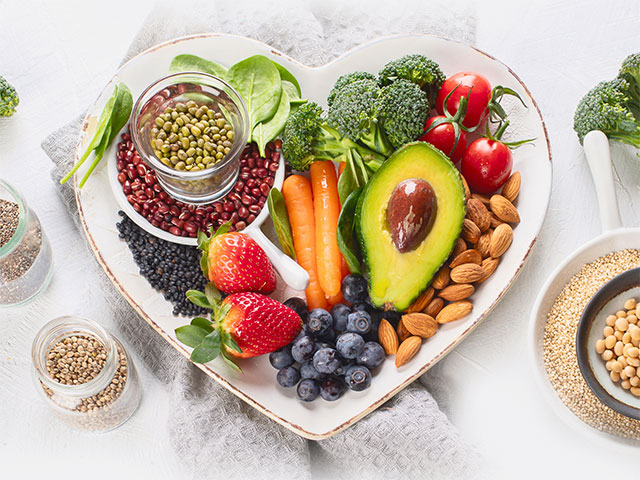
The study used a new scale called the Polyphenol Dietary Score (PPS), developed to assess consumption levels of 20 common polyphenol-rich food groups in the UK, ranging from tea and coffee to berries, olive oil, nuts, and whole grains.
The PPS score showed a stronger association with cardiovascular health than estimating total polyphenol intake alone. This may be because it reflects overall dietary patterns, rather than individual compounds. In other words, a holistic diet rich in polyphenols likely provides a more accurate picture of how these foods support the heart in the long term.
Professor Ana Rodriguez-Mateos, the lead author, commented:
'Our findings suggest that maintaining a polyphenol-rich diet over the long term can significantly slow the rate of increase in cardiovascular risk with age. Even small but sustained changes – such as adding berries, tea, coffee, nuts, or whole grains – can provide long-term benefits for the heart.'
Simple and easy-to-follow eating strategies
Dr. Yong Li, co-author of the study, said:
'This study provides strong evidence that regularly incorporating polyphenol-rich foods into your diet is a simple and effective way to support heart health. These plant compounds are so readily available in our daily meals that almost anyone can incorporate them.'
The research team noted that while cardiovascular risk increased with age, higher polyphenol levels were associated with a slower rate of increase throughout the 11-year follow-up period. They also called for further nutritional intervention studies to more thoroughly examine these associations.
Final Thoughts
Understanding eating foods containing this substance can help reduce the risk of cardiovascular disease makes it easier to evaluate the information and apply the most relevant recommendations. Focus on the key points above and verify details that may change over time.
FAQ
What is eating foods containing this substance can help reduce the risk of cardiovascular disease?
Explore eating foods containing this substance can help reduce the risk.
What key points does this article cover?
The article explains the core concept, important considerations, and practical details readers should understand.
How can you use this information in practice?
Use the explanations to compare options, verify important details, and make a more informed decision. Apply the recommendations that best match your goals and situation.
Related Articles
 Unexpected Findings: Autoimmune Diseases Increase the Risk3 minutes read
 New Evidence Proves That Mediterranean Food Helps Reduce4 minutes read
 What Happens to Your Body When Eating 2 Eggs a Day6 minutes read
 Night Owls and the Risk of Stroke: Why Does Staying up Late Harm Your Heart?6 minutes read
 8 Types of Foods That Have a Very Good Toxic Effect, Should Be Used6 minutes read
 You May Not Know: Eating Red Meat, Chicken Can Double the Risk of Diabetes4 minutes read
Reader Comments 0
Sign in with email or Google to join the discussion.