Table of Contents
For kidney health, the most useful dietary change is often reducing excess sodium and improving your overall eating pattern. A food is not automatically harmful simply because it is packaged, fried, or contains dairy. People with chronic kidney disease or kidney stones need advice tailored to their condition.
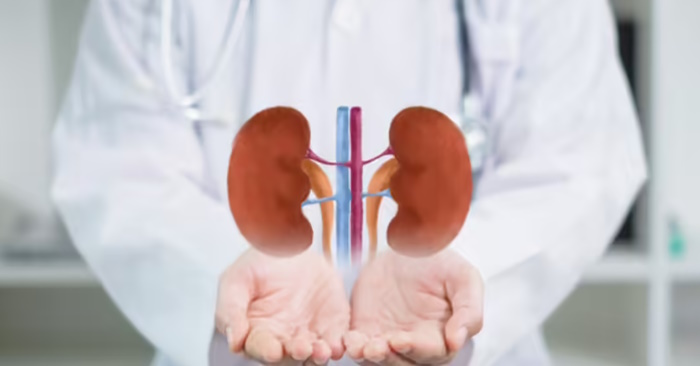
Kidneys filter waste, regulate fluid and minerals, and help control blood pressure. Diabetes and high blood pressure are important causes of kidney disease; it is misleading to suggest that avoiding a short list of foods guarantees protection from kidney failure.
1. Reduce excess salt and salty foods
A high-sodium diet can raise blood pressure and contribute to fluid retention. Common sources include processed meats, instant meals, salty snacks, sauces, and restaurant food.
Compare sodium per serving on labels and check how many servings you actually eat. Use herbs, spices, lemon, or garlic to add flavor without relying on salt. Coarse salt and sea salt still contain sodium.
If you have kidney disease, ask your healthcare team for your sodium limit. Do not automatically switch to a potassium-based salt substitute: it may be unsuitable when your potassium level is high or you take certain medicines.
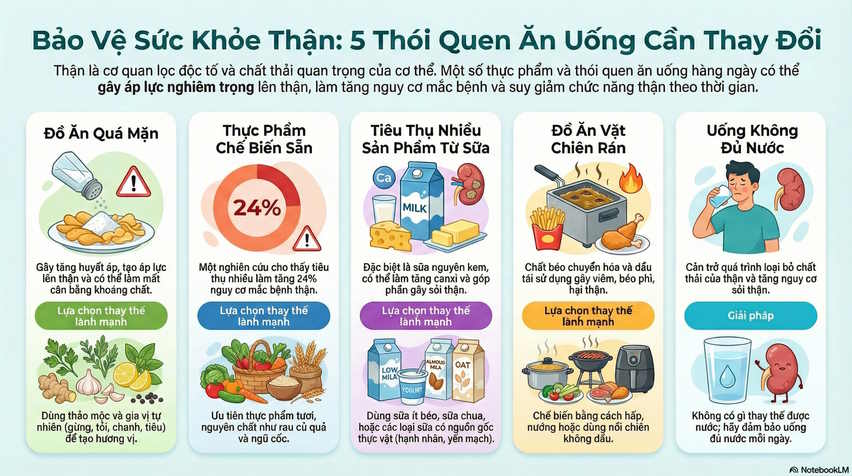
2. Compare packaged foods rather than banning them all
Some packaged meals and snacks contain substantial sodium or phosphorus additives. Other options, such as plain frozen vegetables or no-salt-added canned foods, can be useful and convenient.
Choose lower-sodium versions and compare ingredient lists. If your clinician has advised limiting phosphorus, look for additives with “phos” in their names. A “healthy” label on the front of a package does not replace checking its contents.
TipsMake’s guide to choosing canned foods offers pantry examples; your kidney-specific nutrition plan takes priority.
3. Replace frequent salty fried snacks with simpler options
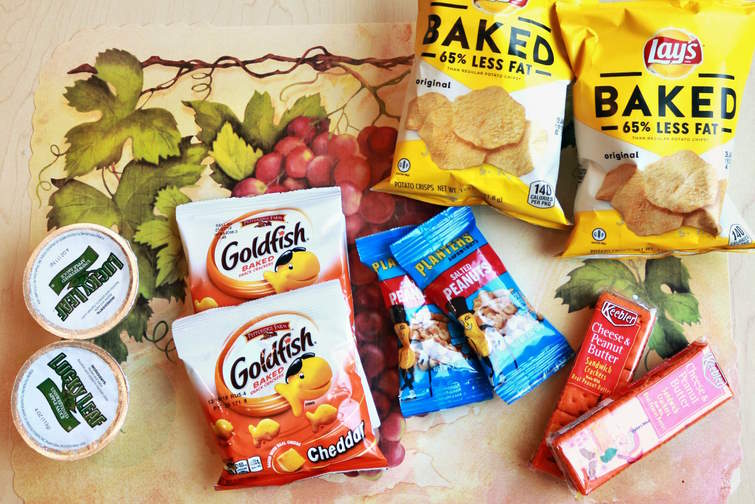
Regular large portions of fried, salty snacks can make it harder to manage sodium intake and maintain a balanced diet. Cooking with less oil does not by itself remove the salt already in a product.
Try a smaller portion, a less salty alternative, or a homemade snack whose ingredients you can control. If you need to restrict potassium or phosphorus, choose the alternative with your dietitian rather than assuming every nut, bean, or vegetable is suitable.
4. Do not treat dairy as a universal kidney hazard
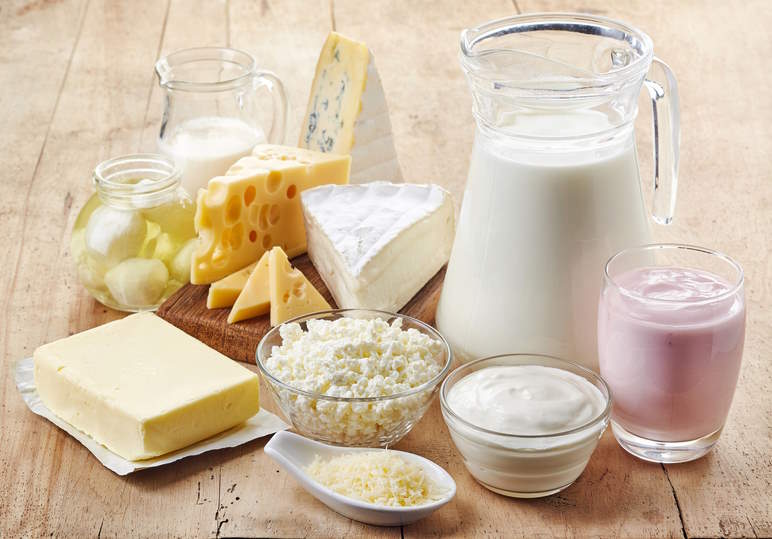
Milk and yogurt can provide protein and calcium. People with advanced kidney disease may need to adjust portions because dairy also contains phosphorus and potassium. Plant-based drinks vary substantially, so compare their ingredients and nutrient content rather than assuming they are safer.
For calcium oxalate stones, adequate calcium from food can help reduce oxalate absorption. A low-calcium diet is not a general prevention strategy. The NIDDK’s kidney-stone guidance explains why advice depends on stone type.
Do not add large doses of calcium or vitamin supplements without advice. See checks to make before buying supplements.
5. Match fluid intake to your situation
Avoid dehydration, particularly in hot weather or during physical activity. However, drinking extra water is not a proven cure for chronic kidney disease, and water does not replace treatment for a urinary tract infection.
Some people with advanced kidney disease, kidney failure, or dialysis need a fluid limit. Follow that limit rather than a generic “drink more” instruction. The National Kidney Foundation’s hydration advice distinguishes these situations.
When to get an individual eating plan
If you have kidney disease, your blood tests, stage of disease, medicines, and treatment affect how much protein, potassium, phosphorus, sodium, and fluid you need. The NIDDK recommends an individualized approach. Work with a kidney dietitian when possible instead of following a universal banned-food list.
Related Articles
 Selling kidneys to buy iPhone 4, this young man had to stay in hospital for 7 years
 Foods high in cholesterol: What should be eaten? What type should be avoided?
 6 foods should not be reheated in the microwave
 Foods and drinks to limit when you are sick
 Top 7 foods that contain the most zinc
 The list of foods that contain the most iron is easy to find
Reader Comments 0
Sign in with email or Google to join the discussion.