Table of Contents
This guide provides a practical overview of Check the Status of Your Hard Drive with the CMD Command Prompt, including its main features, benefits, limitations, and important considerations.
Step 1: Open the Command Prompt.
There are many ways to open the Command Prompt, below I give the 2 most common ways.
Option 1: Go to Start -> All programs -> Accessories -> Command Prompt .
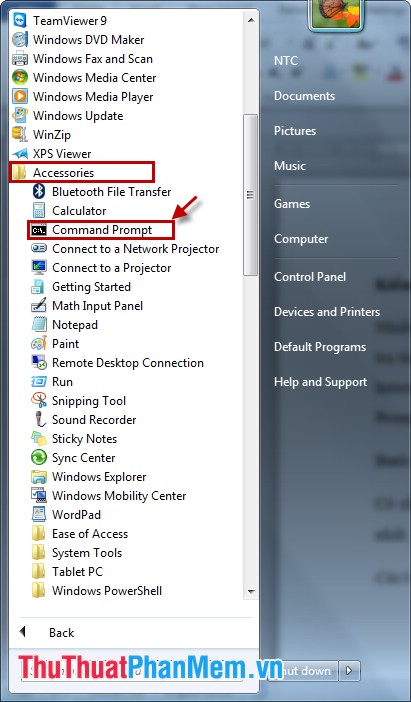
Method 2: On the Start typing in the search box on the Run then press the Enter key (the key combination Windows + R ).
In the Run dialog box, type cmd , and then press OK (or Enter ).
Step 2: Enter the command in the Command Prompt window.
You enter the command wmic then press Enter .

Enter the diskdrive get status command and press Enter .

If under the Status box is OK, it means your computer's hard drive is normal, if it is different from the OK , your computer hard drive has problems.
With Command Prompt, you can easily know the status of your hard drive to fix it soonest if the hard drive has a problem, as well as protect the hard drive in the best way.
FAQ
What should I know about Check the Status of Your Hard Drive with the CMD Command Prompt?
Focus on the key features, requirements, limitations, and practical use cases explained in this guide.
How do I get the best results with Check the Status of Your Hard Drive with the CMD Command Prompt?
Follow the recommended steps, use current software or information, confirm compatibility, and review settings before major changes.
Are there any risks or limitations?
Potential limitations depend on compatibility, data quality, cost, privacy, support, and how the product or method is used.
Related Articles
 5 Ways to Check Hard Drive Effectively to Help Periodically Check11 minutes read
 How to Check Hard Drive Status with SMART7 minutes read
 Hard Drive Check: How to Check Hard Drive Health in 3 Ways4 minutes read
 Check and Fix Hard Drive Errors with Chkdsk on Windows10 minutes read
 3 How to Check the Working Status of the Hard Drive4 minutes read
 8 Effective Ways to Check Your Hard Drive to Periodically Check18 minutes read
Reader Comments 0
Sign in with email or Google to join the discussion.