Table of Contents
Explore 5 Android features that Google has quietly removed, including the key concepts, practical examples, important considerations, and useful guidance.
Android Beam
Share everything with just a tap on your phone
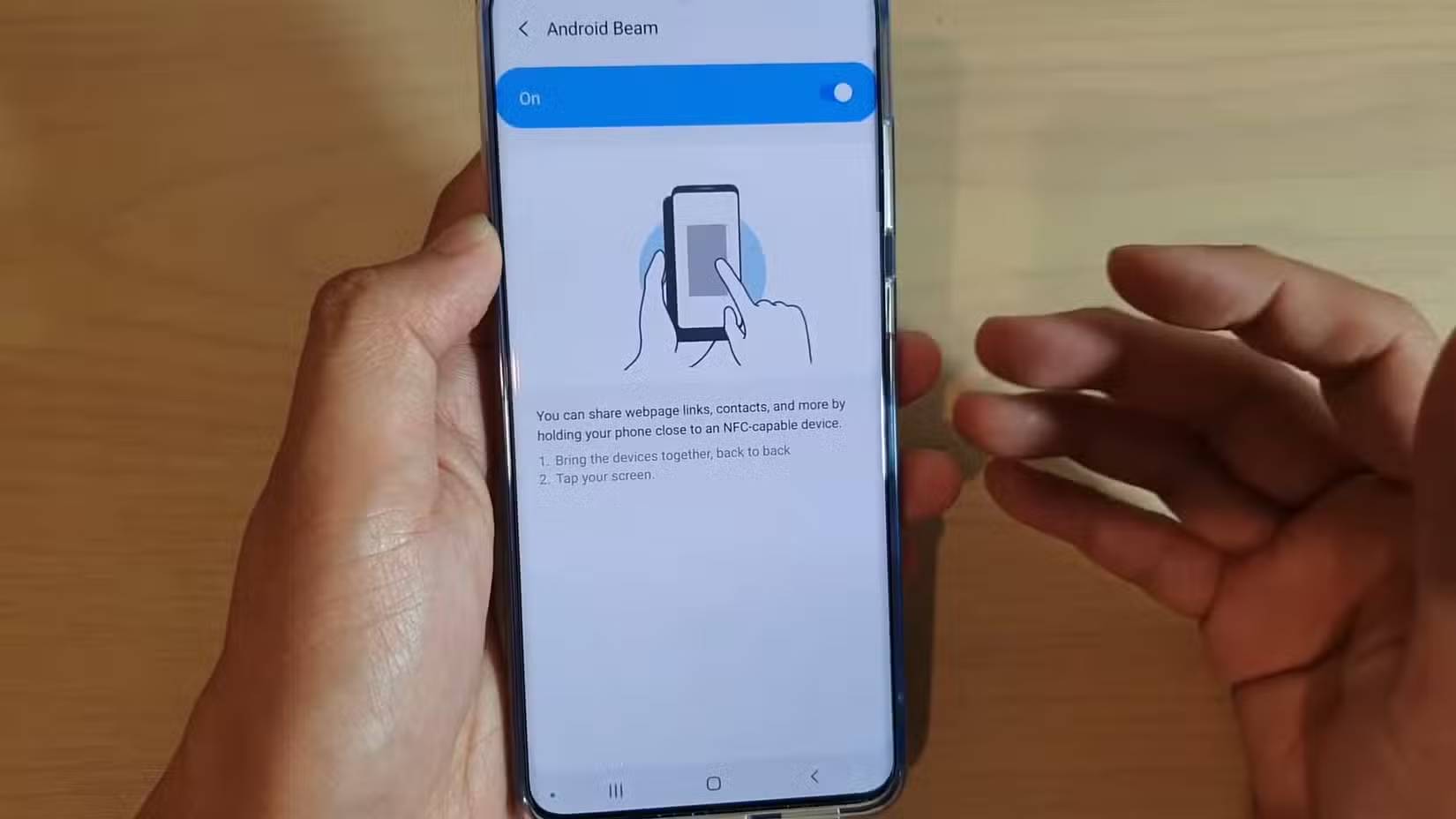
Android Beam is one of those features that makes people exclaim, "That's cool!" the first time they see it. Introduced in 2011 with Android 4.0, if you want to send photos, map locations, or contacts to friends, you don't need to open a menu, wait for the device list to appear, or pair via Bluetooth. You simply unlock your phone, lightly tap the back of your friend's phone, and tap the screen when it prompts you "Touch to Beam." It uses NFC (Near Field Communication) to initiate the connection process and Bluetooth to transfer data.
Google officially stopped supporting Android Beam in Android 10 and completely removed it in Android 14.
Now on Tap
Contextual information at the touch of a button
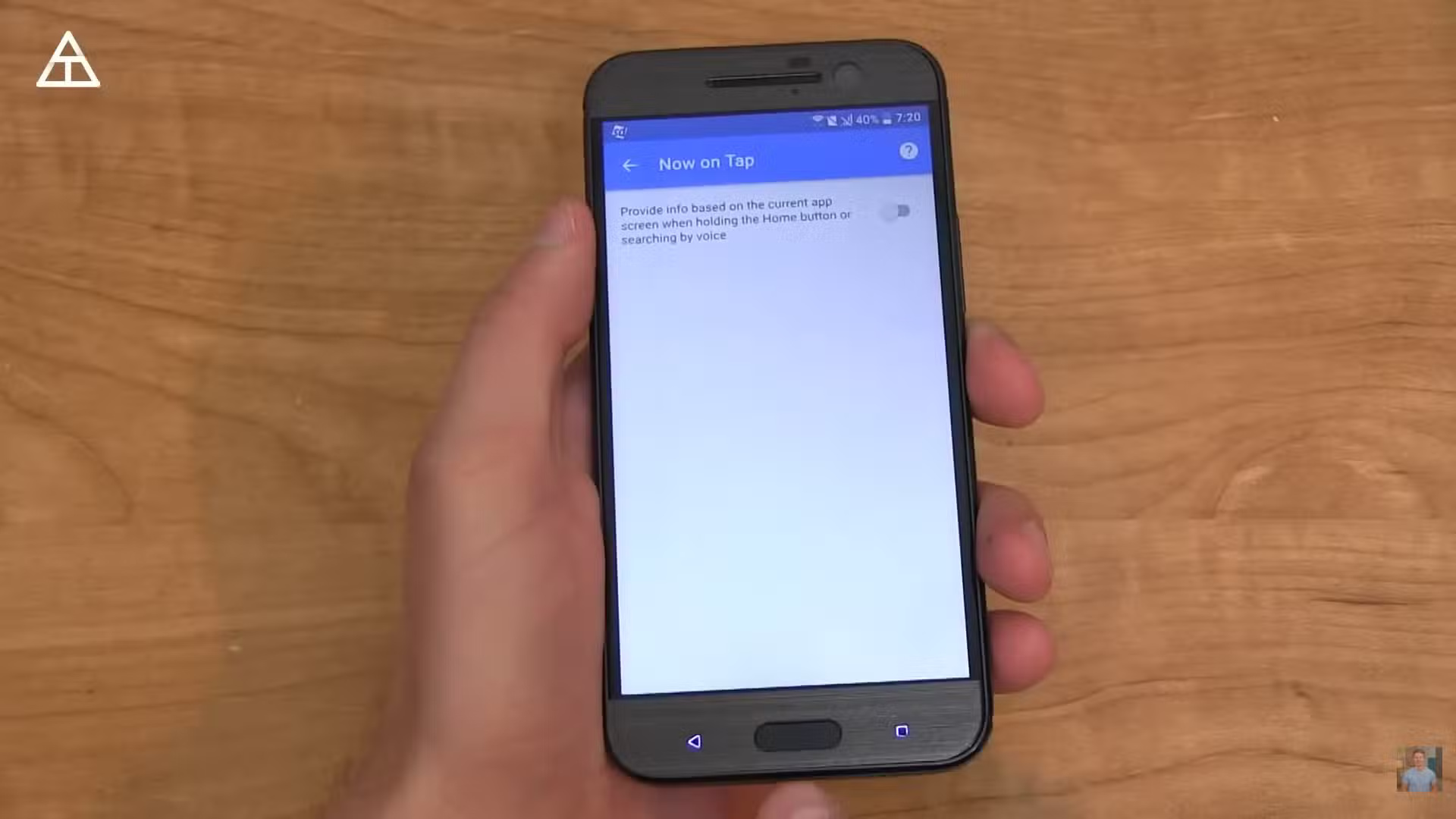
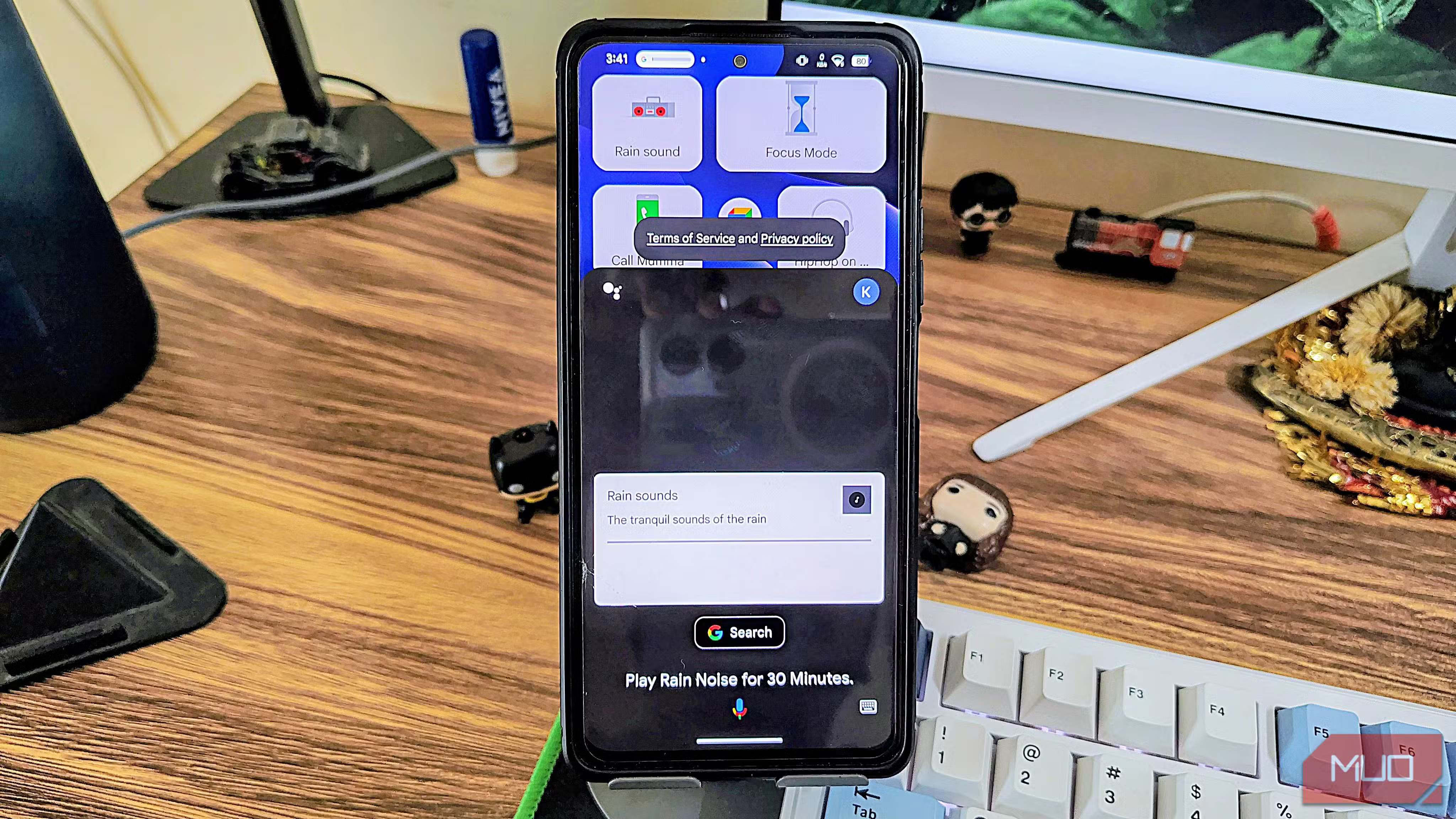
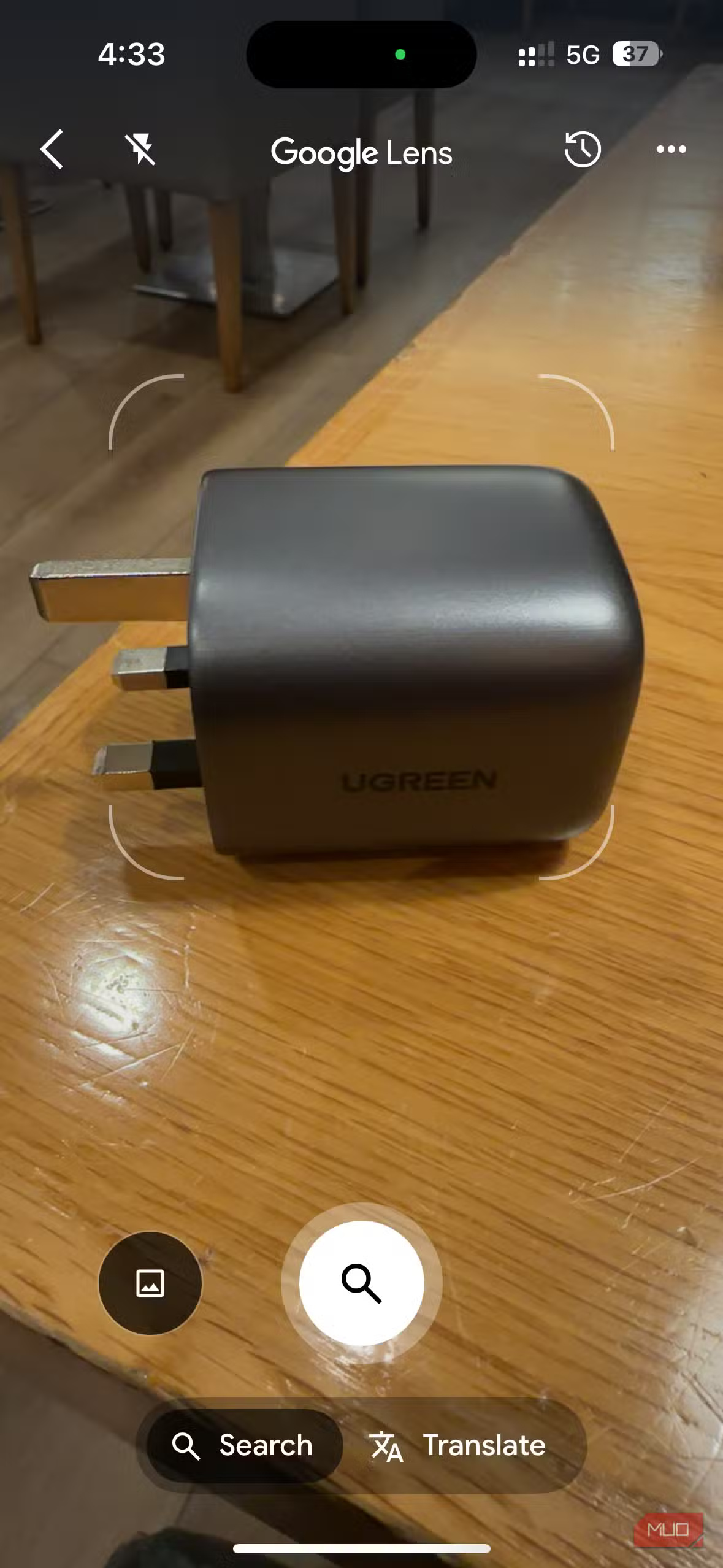
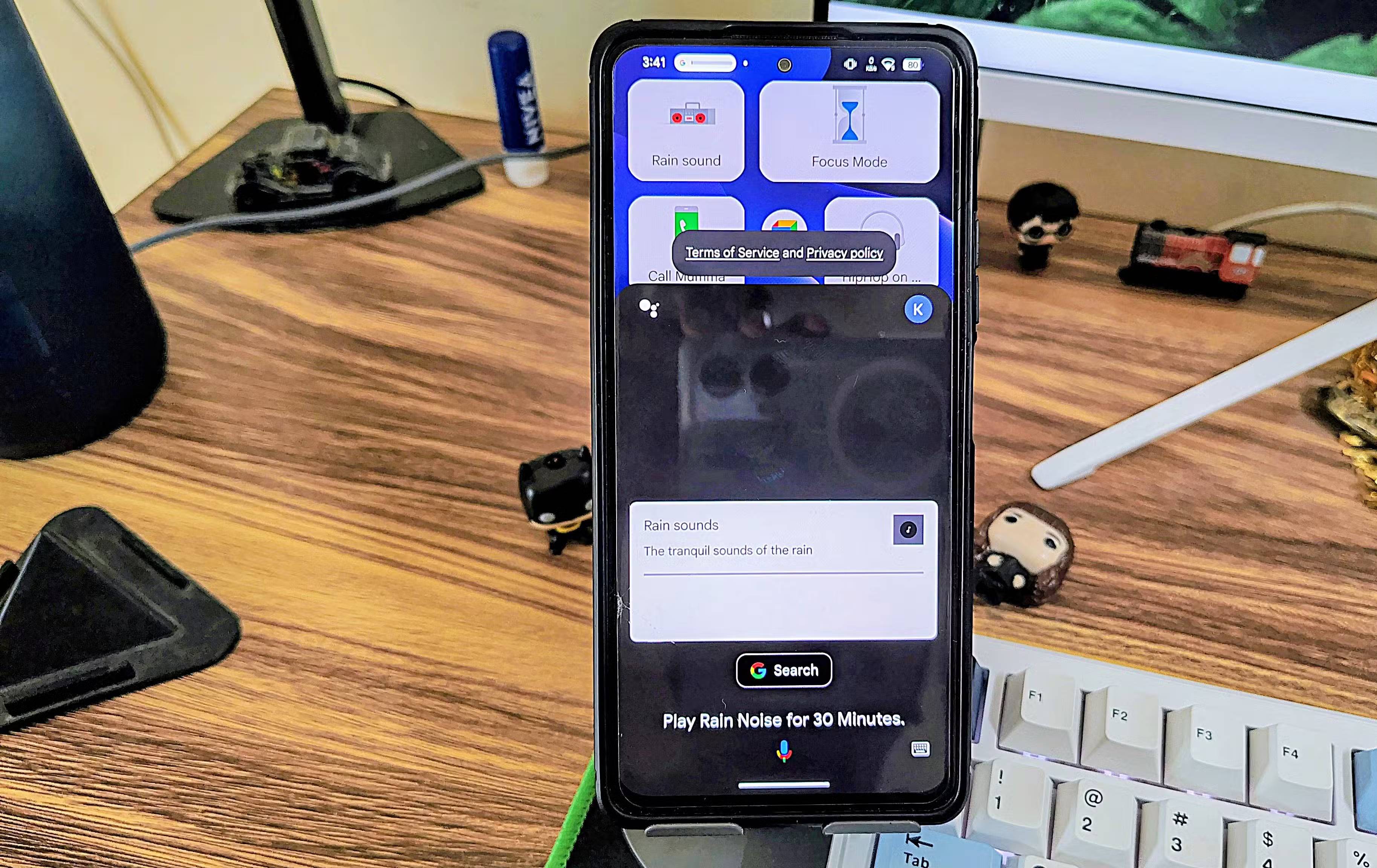
Before Google Assistant (and Gemini ) became the voice-controlled artificial intelligence we know today, there was a brief but glorious period when we had Now on Tap.
Launched alongside Android Marshmallow (Android 6.0 and above), Now on Tap is a feature that provides contextual information from your screen. By pressing and holding the Home button, Google will instantly scan the text and images currently displayed on the screen and show you relevant information "tags".
Google eventually replaced this feature with Google Assistant (along with Gemini) and then Google Lens.
Dayfly VR
A gateway to another world in your pocket
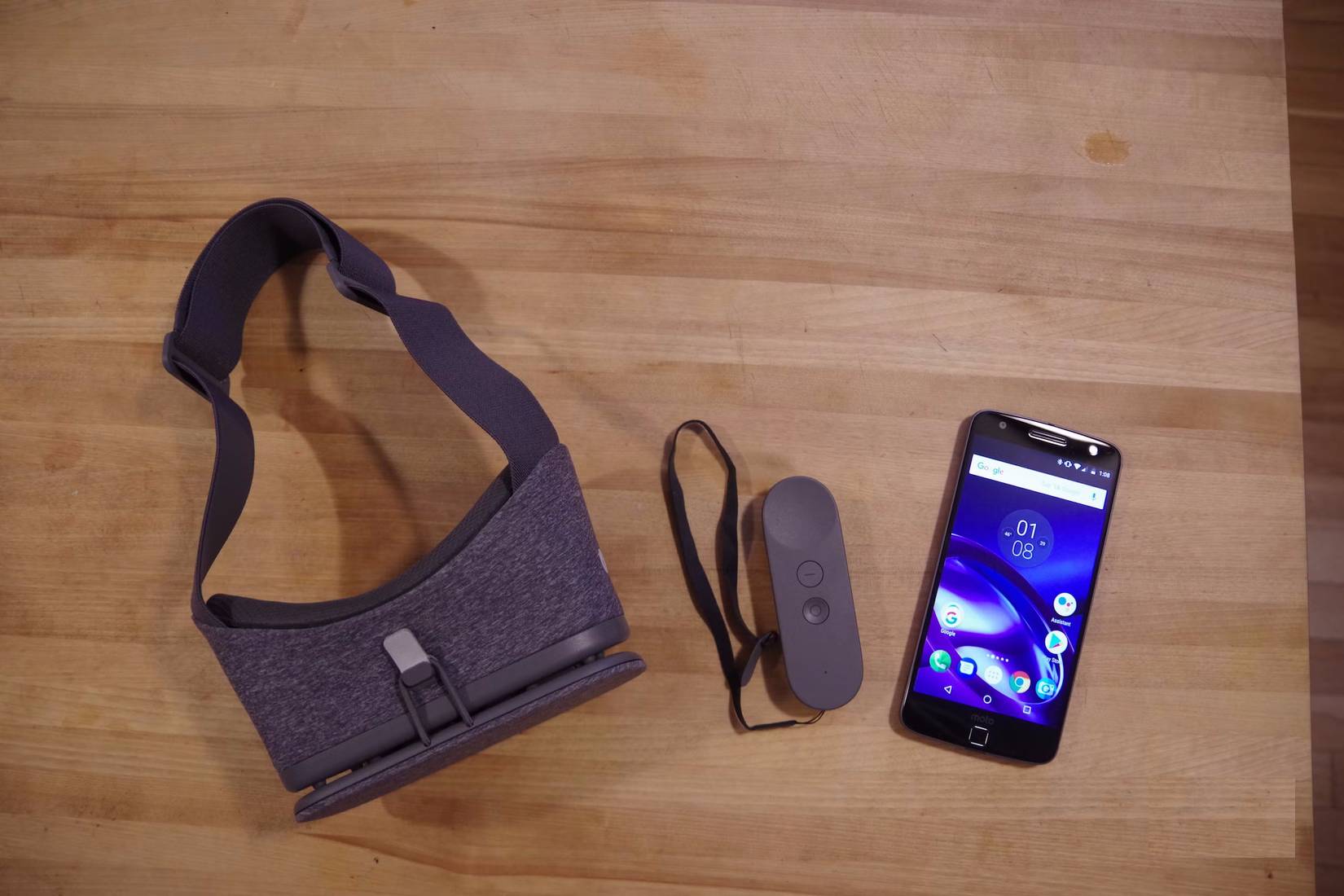
There was a time when Google believed the future of virtual reality lay not in expensive computer setups, but in the smartphone already in your pocket. This initiative was called Daydream VR.
Daydream is a platform integrated into Android Nougat that transforms compatible phones (like Pixel and Moto Z) into virtual reality displays. You place your phone in a comfortable, fabric-covered headset (Daydream View), hold a small motion controller, and instantly you're in a virtual movie theater, a game world, or visiting a museum.
Google quietly discontinued hardware support for Daydream View in 2019, marking it as one of Google's biggest failures, and software support officially ended with Android 11.
Trusted Face
Unlock with a smile
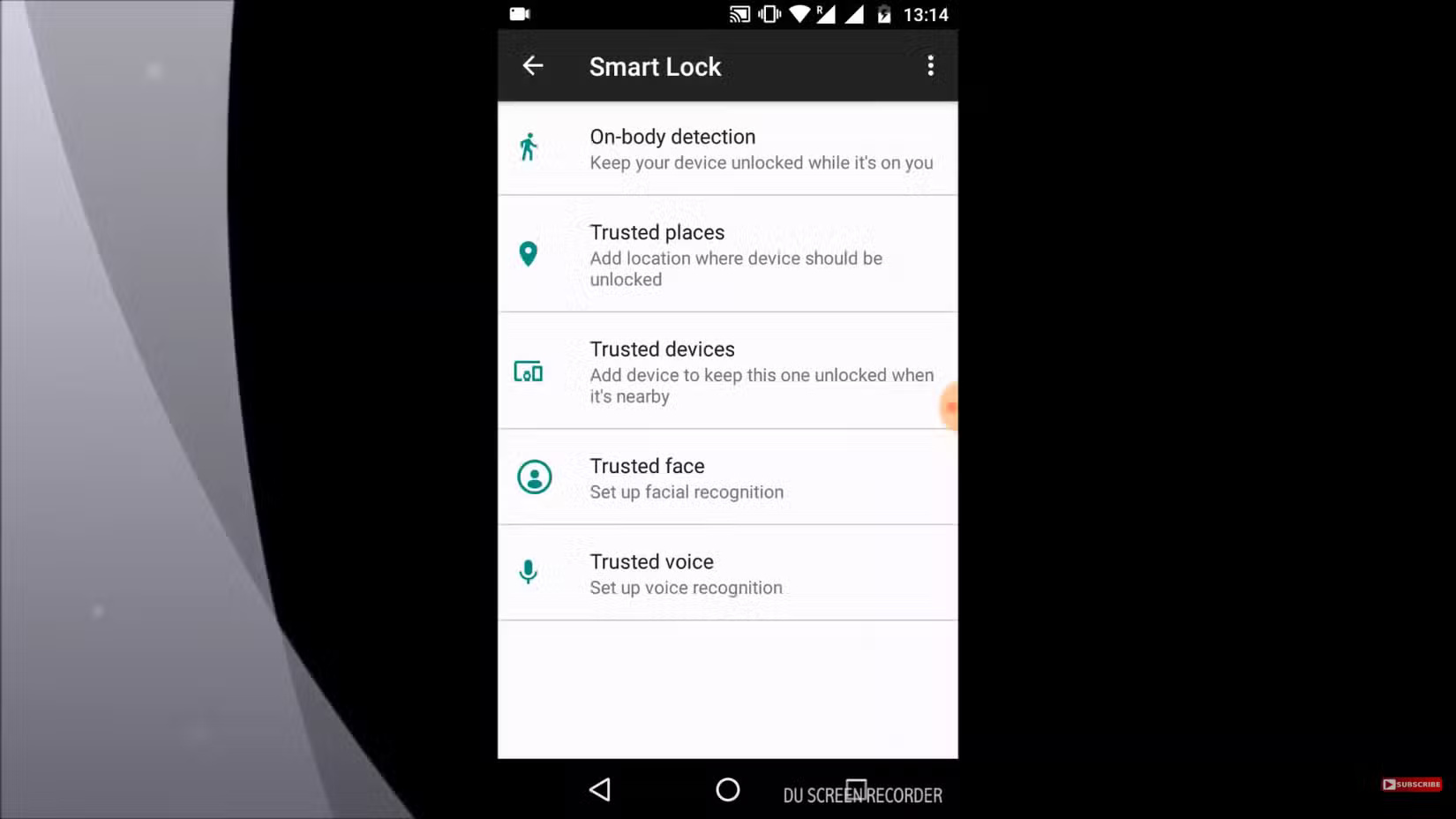
We take biometric security for granted today, but years before Face ID, Android already had Trusted Face.
As part of the "Smart Lock" feature set, this feature uses the front camera to unlock your phone as soon as you turn on the screen. It's incredibly convenient because you don't need to swipe or wait for a dedicated infrared scanner. If the camera recognizes you, the phone will unlock.
Google removed Trusted Face in Android 10. While secure face unlock has returned on newer devices like the Pixel 8 (using advanced Machine Learning and autofocus cameras), widespread system-level use of "Trusted Face" on almost every Android device is a thing of the past.
Miracast
Screen mirroring without connecting devices
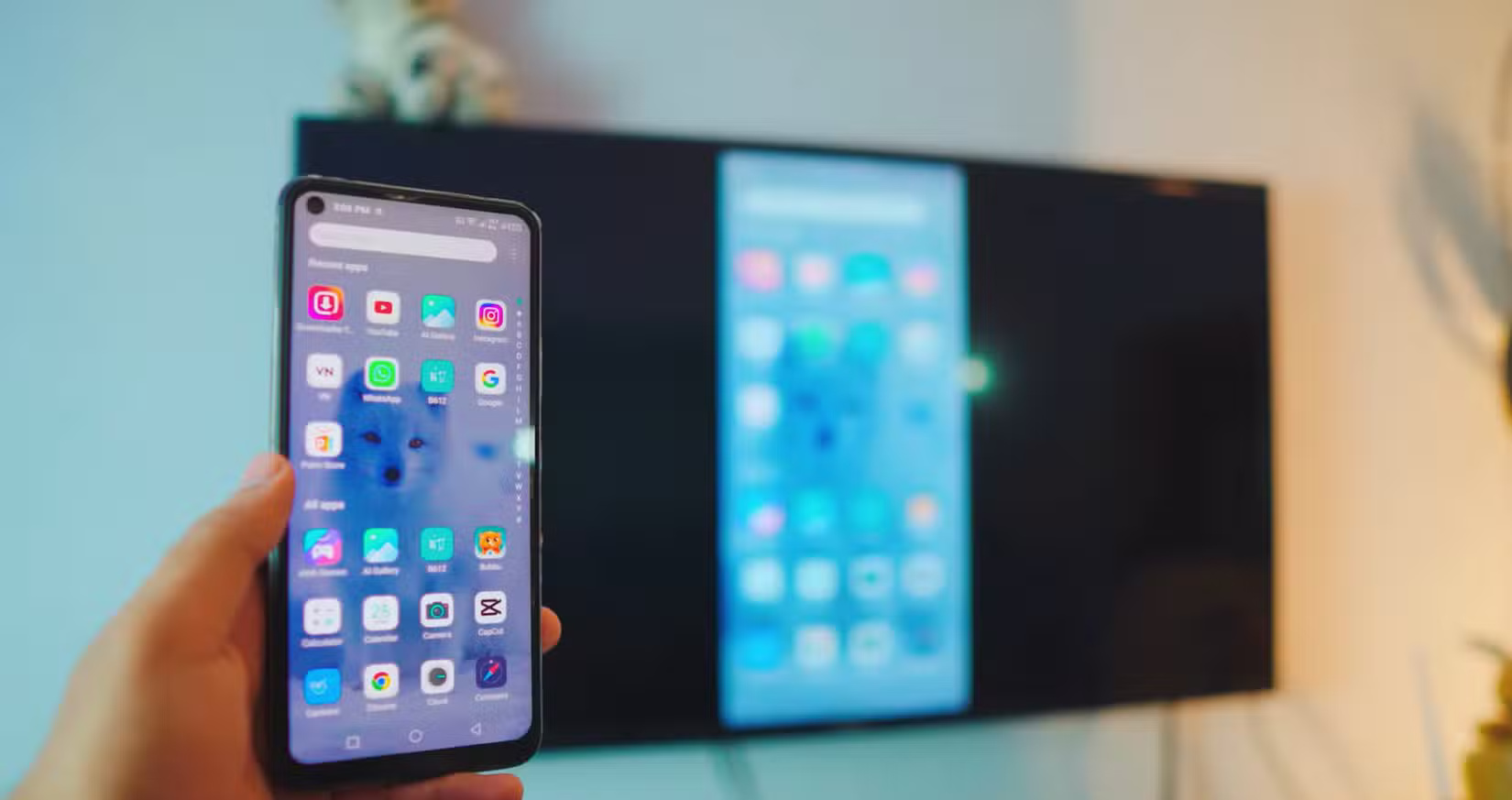
Before "casting" became synonymous with buying a Google Chromecast, Android supported an open standard called Miracast.
Miracast is essentially "HDMI over Wi-Fi". It allows your Android phone to project its screen directly onto a Smart TV, Roku, or Amazon Fire Stick without the need for a specific app or proprietary connection device. It's built into Android 4.2 (Jelly Bean) and works very well for displaying holiday photos or playing mobile games on a large screen. It's open-source, popular, and free.
However, with the release of Android 6.0 (Marshmallow), Google quietly removed native Miracast support from Android.
It's hard to forget these Android features
Looking back, it's easy to spot a pattern. Google removed features not because they failed, but because they were always moving forward. However, if you experienced these ideas at their peak, Android never felt the same again.
Final Thoughts
Understanding 5 android features that google has quietly removed makes it easier to evaluate the information and apply the most relevant recommendations. Focus on the key points above and verify details that may change over time.
FAQ
What is 5 android features that google has quietly removed?
Explore 5 Android features that Google has quietly removed, including the key concepts, practical examples, important considerations, and useful guidance.
What key points does this article cover?
The article focuses on Android Beam, Share everything with just a tap on your phone, Now on Tap, with practical explanations and examples.
How can you use this information in practice?
Use the explanations to compare options, verify important details, and make a more informed decision. Apply the recommendations that best match your goals and situation.
Related Articles
 9 Underrated Android Features You Probably Aren't Taking Full12 minutes read
 Google Keep Is About to Lose One of Its Best Features5 minutes read
 Google Quietly Patches USB Vulnerability, Billions of Android Devices Narrowly3 minutes read
 UC Browser Was Removed from Google Play Store Because of the Unhealthy Use of 'Tricks'6 minutes read
 3 Newly Changed Settings of Android P5 minutes read
 8 Interesting Features on Android 10 That You Should Experience6 minutes read
Reader Comments 0
Sign in with email or Google to join the discussion.