Table of Contents
Use Vyond or Powtoon if you want to assemble an explainer from templates. Choose Scratch for a first interactive animation, After Effects for moving text and graphics, or Harmony, Moho, or iClone when you need to animate characters. Several tools below appear in older tutorials and are most relevant if you have existing files.
Test one scene before choosing
Make a short scene close to the one you’ll actually produce. Import a piece of your artwork, animate one action, and export it. Check for a watermark, audio sync, and the format your editor or publishing platform needs.
Vyond for training videos
Build a short explainer from scenes, characters, and voiceover. Test whether the export plan covers your resolution and branding needs before making a full training series.

CrazyTalk for existing talking-avatar projects
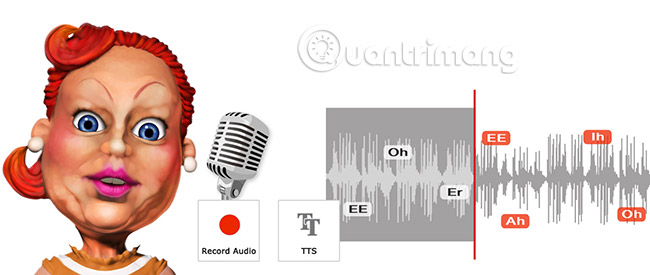
The older CrazyTalk workflow animated a face from a still image and an audio track. If you need to open an existing project, first check OS and license compatibility. For a new 2D character project, compare current tools such as Reallusion Cartoon Animator.
iClone for 3D characters and scenes
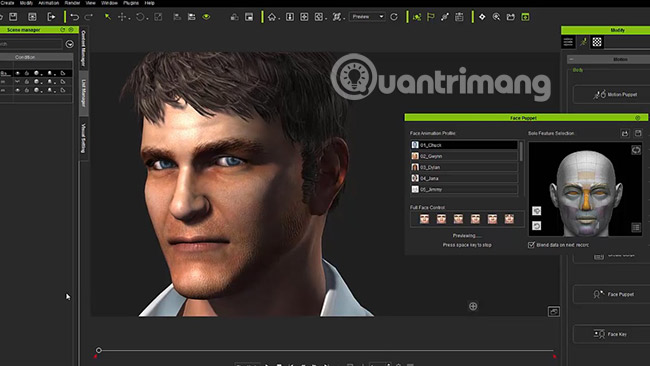
Use iClone when you need to animate a 3D character, edit body and facial motion, and stage a shot. Test the character rig and export format early if you plan to finish the scene in another application.
Toon Boom Harmony for 2D production
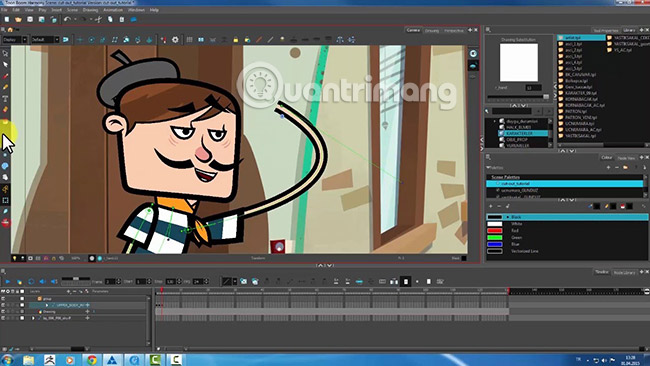
Harmony supports hand-drawn and rigged 2D work. Check which edition has the drawing, deformers, or compositing tools your project needs. It makes more sense for a recurring production than for a one-off slide animation.
Adobe After Effects for motion graphics
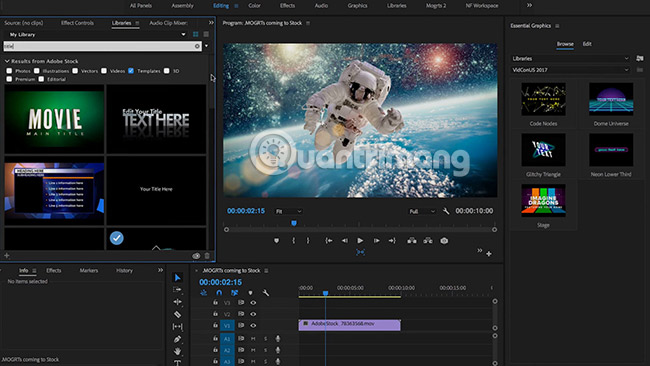
Use After Effects to animate titles, interface mockups, diagrams, or layered artwork. Adobe Character Animator is a separate application for performance-driven character animation.
Powtoon for web-based explainers
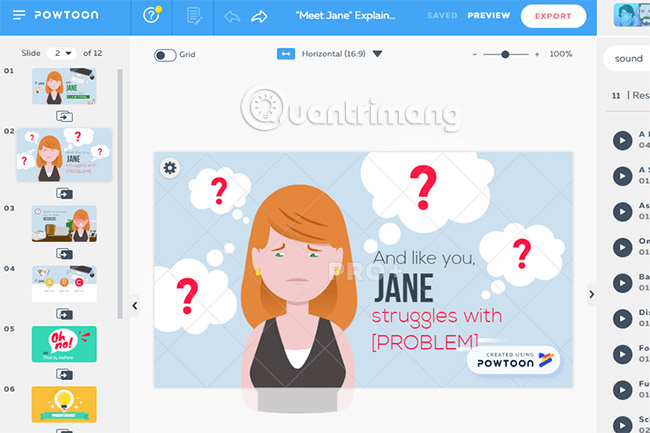
Start with a scene template and change the characters, text, and timing. Before committing, export a short test to check the watermark, file format, and any limits on video length.
Moho for rigged 2D characters
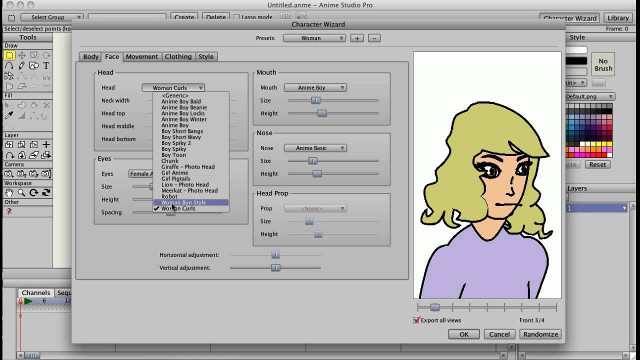
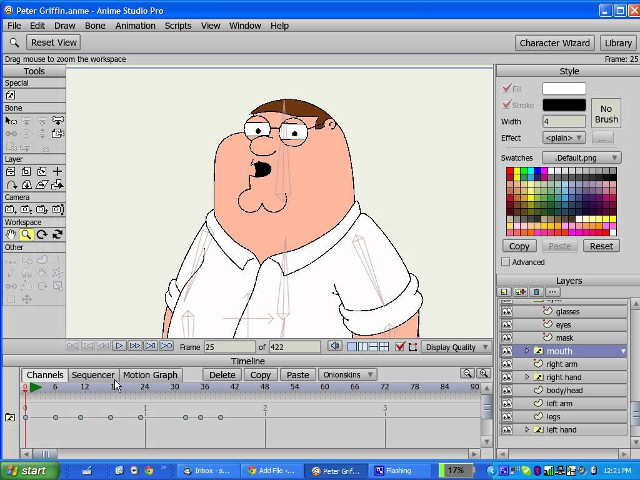
If you found an old tutorial for Anime Studio Pro, look at Moho for the current workflow. Its bone rigs let you pose a character across multiple shots. These screenshots show the older interface, so confirm menus with current Moho documentation.
Scratch for a first interactive animation
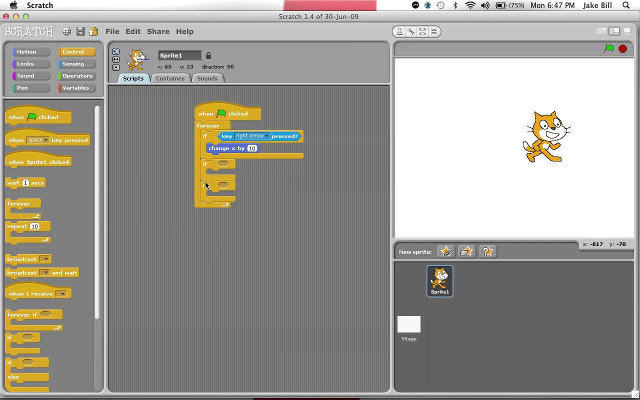
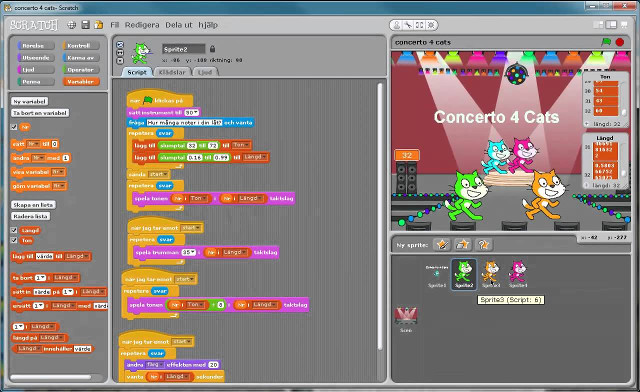
Create a sprite, switch between costumes, and use motion and timing blocks to make a loop. Scratch is a good fit if you want viewers to press a key or click the scene. The screenshots show an older version of the editor.
Flip Boom Doodle for opening an older project
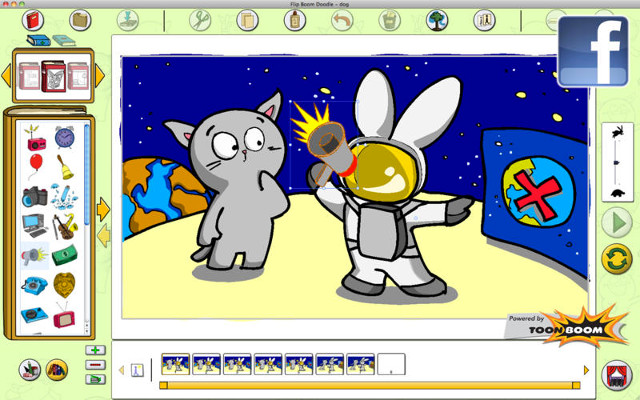
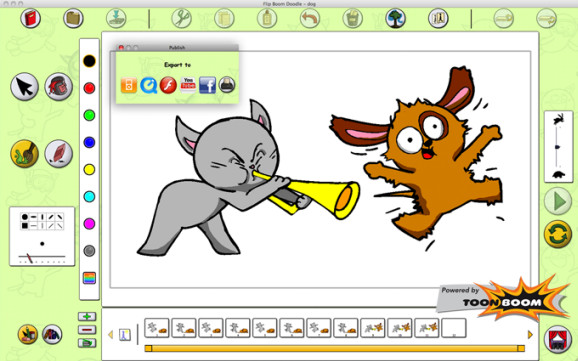
The older app focused on simple drawing and frame-by-frame playback. If you’re starting a new project, look for a maintained 2D tool that can export the file type you need.
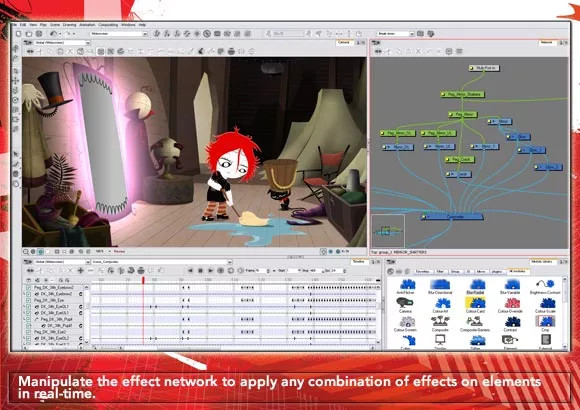
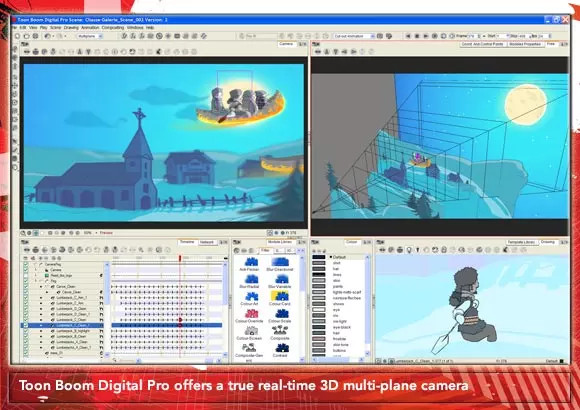
Toon Boom Digital Pro for legacy files
If you’re reopening an old production, check what format the original editor saved and ask Toon Boom about migration. For a new project, evaluate Harmony against your drawing and rigging needs.
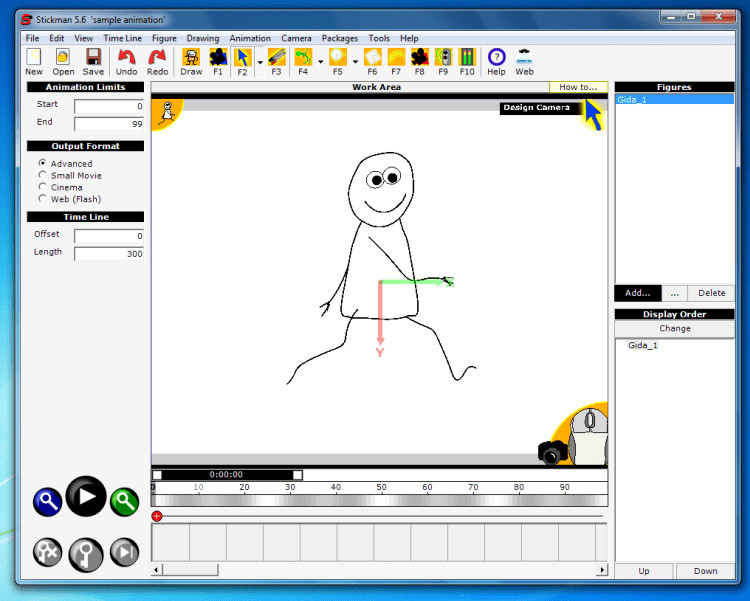
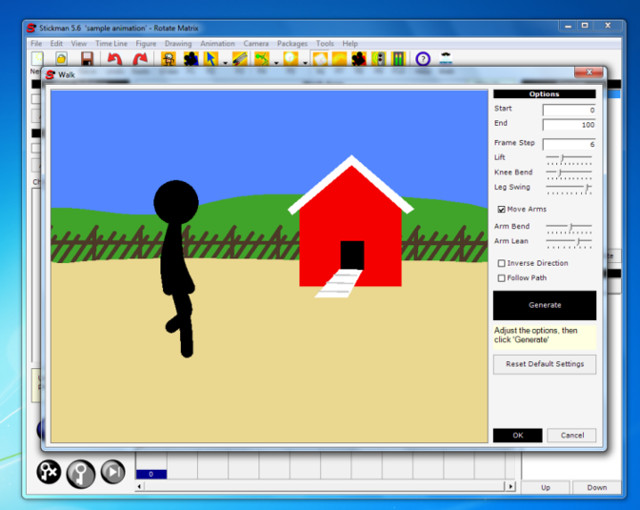
Stickman for older puppet animations
Stickman used a puppet-style workflow. If you’re restoring a project, check whether your version can export a playable file. For new work, pick a tool that exports a format your current video editor accepts.
Once you’ve exported a clip, compare video editors and their watermark limits if you need to assemble multiple scenes.




Reader Comments 0
Sign in with email or Google to join the discussion.