Table of Contents
Explore Windows phone makes a surprising comeback… but in a very different way.
A company called Nex Computing is developing the NexPhone, a smartphone that runs Android by default, can open Debian Linux as an application with GPU acceleration, and supports dual-booting to run full Windows 11. Not only does it offer 'stock' Windows 11, Nex Computing has also designed a customized, mobile-friendly interface that strongly resembles the style of the old Windows Phone, with its characteristic tile layout and large icons.
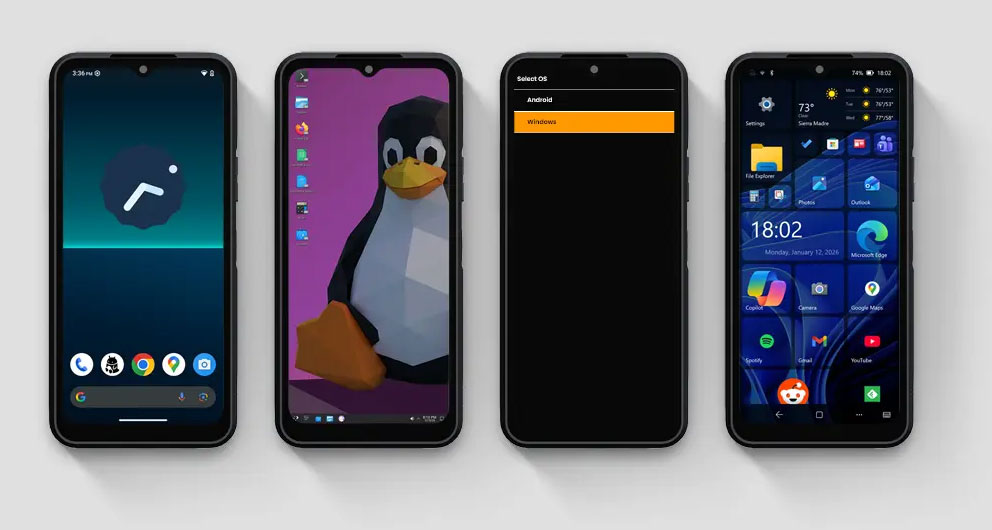
The NexPhone can also connect to a PC via the NexDock – an accessory that Nex Computing has been developing and refining over the years, even since Microsoft introduced Continuum. In terms of specifications, the device uses the Qualcomm QCM6490 platform, comes with 12GB of RAM, 256GB of internal storage, a 6.58-inch 120Hz display, a 64MP main camera using a Sony IMX787 sensor, and supports 5G and wireless charging.
Despite considerable skepticism about Nex Computing's capabilities in this area, the NexPhone is not yet "vaporware." The company has showcased physical prototypes to several media outlets and plans a commercial release in Q3 2026. The announced price is $549, excluding taxes and shipping, and includes a free USB-C hub. Users can pre-order with a refundable $199 deposit and receive priority for early delivery.
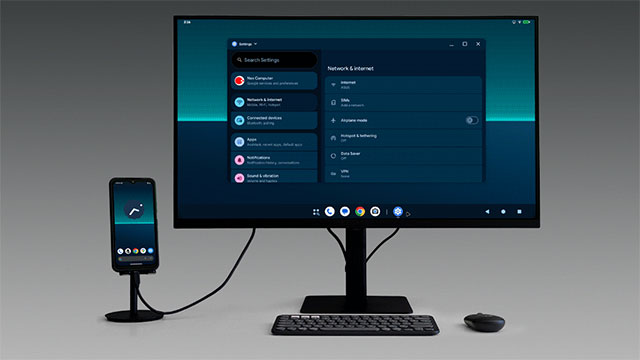
The NexPhone is designed for durability and robustness, because according to Nex Computing, most NexDock customers consider durability to be the most important factor, especially since the device also acts as a 'PC companion'. The startup is also quite frank in admitting that they cannot access the newest and most high-end hardware due to small-scale production and high costs. Therefore, the company chose a balanced configuration on the Qualcomm platform to ensure long-term support.
According to the CEO, NexPhone is the result of 14 years of development and is not intended to replace a user's primary high-end smartphone. Instead, it is a durable, secondary device that can quickly transform into a 'true PC' when needed.
Final Thoughts
Understanding windows phone makes a surprising comeback… but in a very different way makes it easier to evaluate the information and apply the most relevant recommendations. Focus on the key points above and verify details that may change over time.
FAQ
What is windows phone makes a surprising comeback… but in a very different way?
Explore Windows phone makes a surprising comeback… but in a very different way.
What key points does this article cover?
The article explains the core concept, important considerations, and practical details readers should understand.
How can you use this information in practice?
Use the explanations to compare options, verify important details, and make a more informed decision. Apply the recommendations that best match your goals and situation.
Related Articles
 In What Way Does Sony's High-end Phone Beat the iPhone5 minutes read
 Hack: Complete Guide3 minutes read
 Fix Bluetooth Your Phone Connection Error on Windows 107 minutes read
 Nebulus, Windows 10 Phones Can Run Android Apps Without Emulating4 minutes read
 Invincible Windows Phone7 minutes read
 Creepy Targeted Ads on Your Phone Will Disappear After You Change: Key Facts6 minutes read
Reader Comments 0
Sign in with email or Google to join the discussion.