Table of Contents
Rather than chasing whatever looks best on paper, it makes much more sense to consider what actually affects how you feel when using your phone.
There was a time when new phone launches were exciting. Every year brought something tangible that pushed things forward. But lately, it seems we've reached a point where the specs are getting more and more ridiculous while the real-world experience barely changes. The numbers get bigger, the marketing gets flashier, but the way we use our phones day to day remains largely the same.
So instead of chasing whatever looks best on paper, it makes much more sense to consider what actually affects how you feel when using your phone. That's where the real difference comes in!
Most of today's processors are more than enough.
Even mid-range chips are fast enough
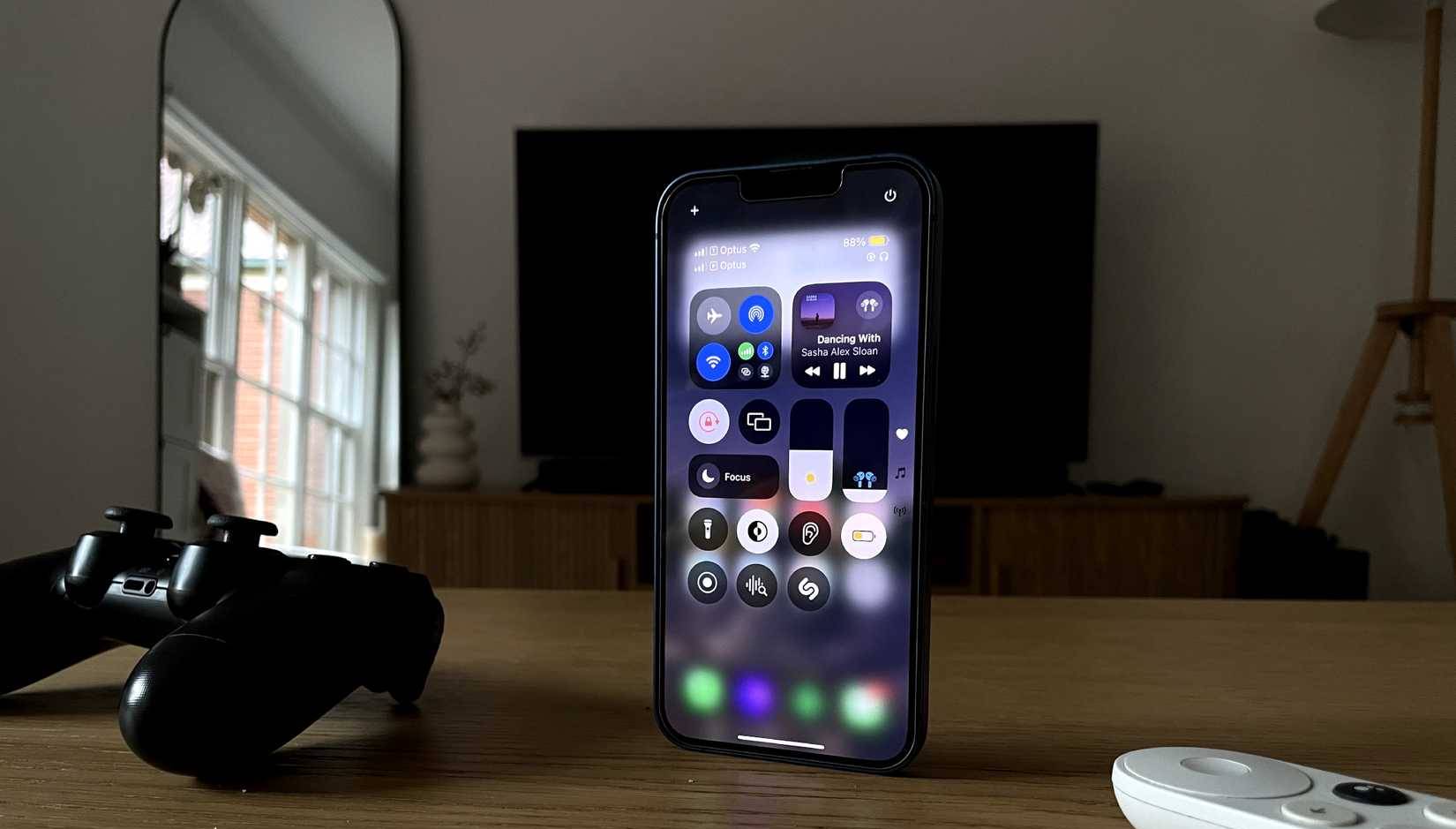
Every year, phone launches come with the same benchmark slides. One device scores slightly higher than another, or there's a vague percentage that shows a 15% performance improvement over last year. It all looks impressive on stage. But if you stop and think about it, those numbers mean almost nothing in day-to-day use.
Take a minute and list the apps you use most on your phone. Chances are it's the browser, Instagram, WhatsApp, YouTube, Maps, TikTok, or even the camera. Unless you're someone who really plays heavy mobile games or edits videos on your phone every day, you don't need a high-end chipset.
This is also why Samsung and Google use the same processor on the base, Ultra, or Pro models. These chips are already powerful enough that upgrading to a higher model doesn't really make much sense. The performance ceiling is high enough that most people will never reach it.
Bigger camera specs don't mean better photos
Image processing determines the final look
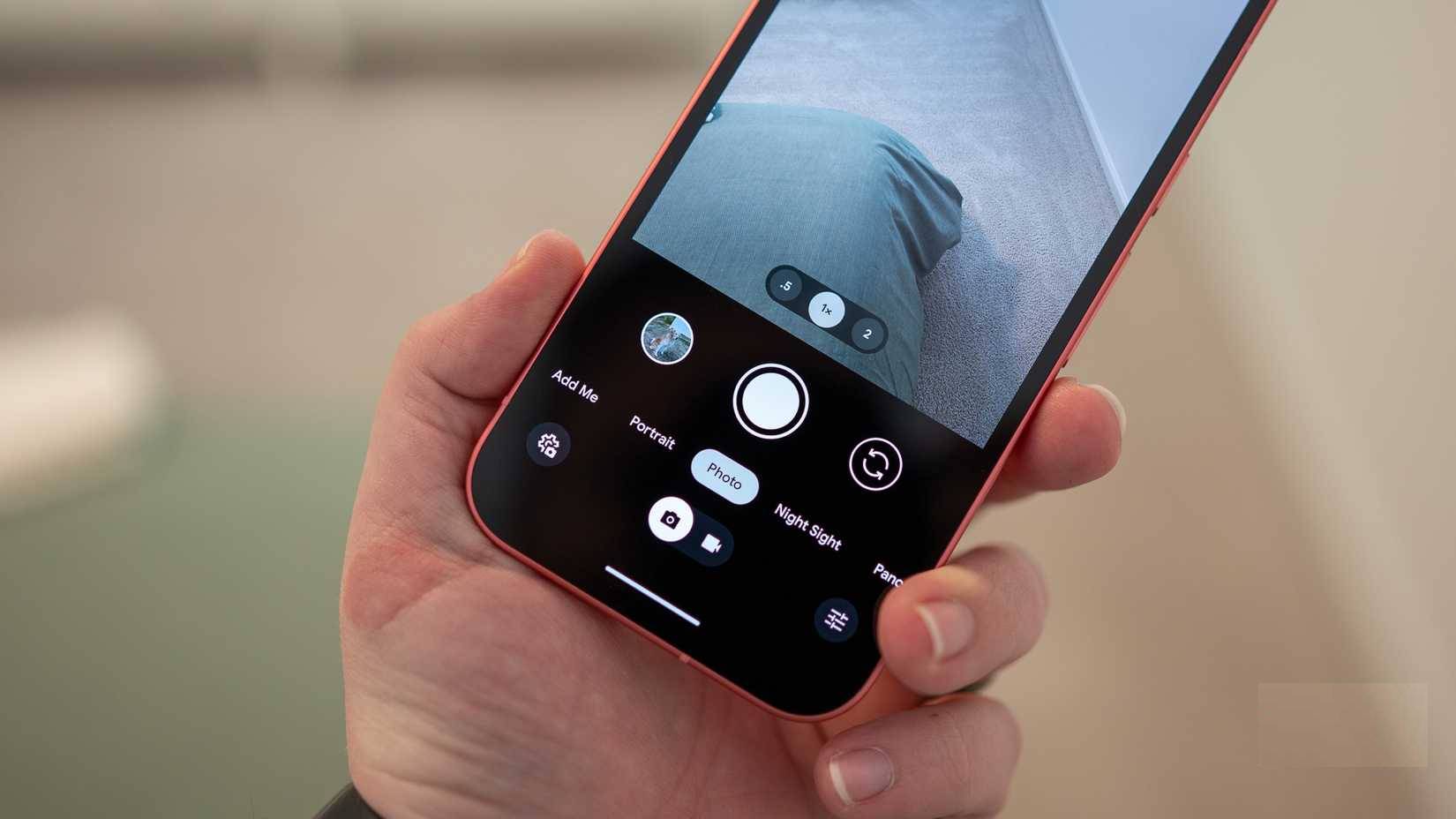
Phone camera marketing loves numbers, like bigger sensors and higher megapixel counts. One of the most frustrating smartphone trends is the notion that 'more lenses equals a better camera,' where phones with 2MP macro lenses do little more than clutter the spec sheet. A good main sensor and decent optics are the foundation of any camera system. But much of what makes photos look good these days comes from software, not just the lens.
You can see this clearly with zoom systems. The '100x zoom' that people advertise isn't purely optical. Most of the time, phones use a 5x or 10x optical lens, then rely heavily on computational photography to crop, enhance, and reconstruct the image to look acceptable at higher zoom levels. The impression comes from the software, not the hardware.
Software can also make or break your everyday photography.
Those big numbers don't mean what you think.
What matters is how it works in real life.
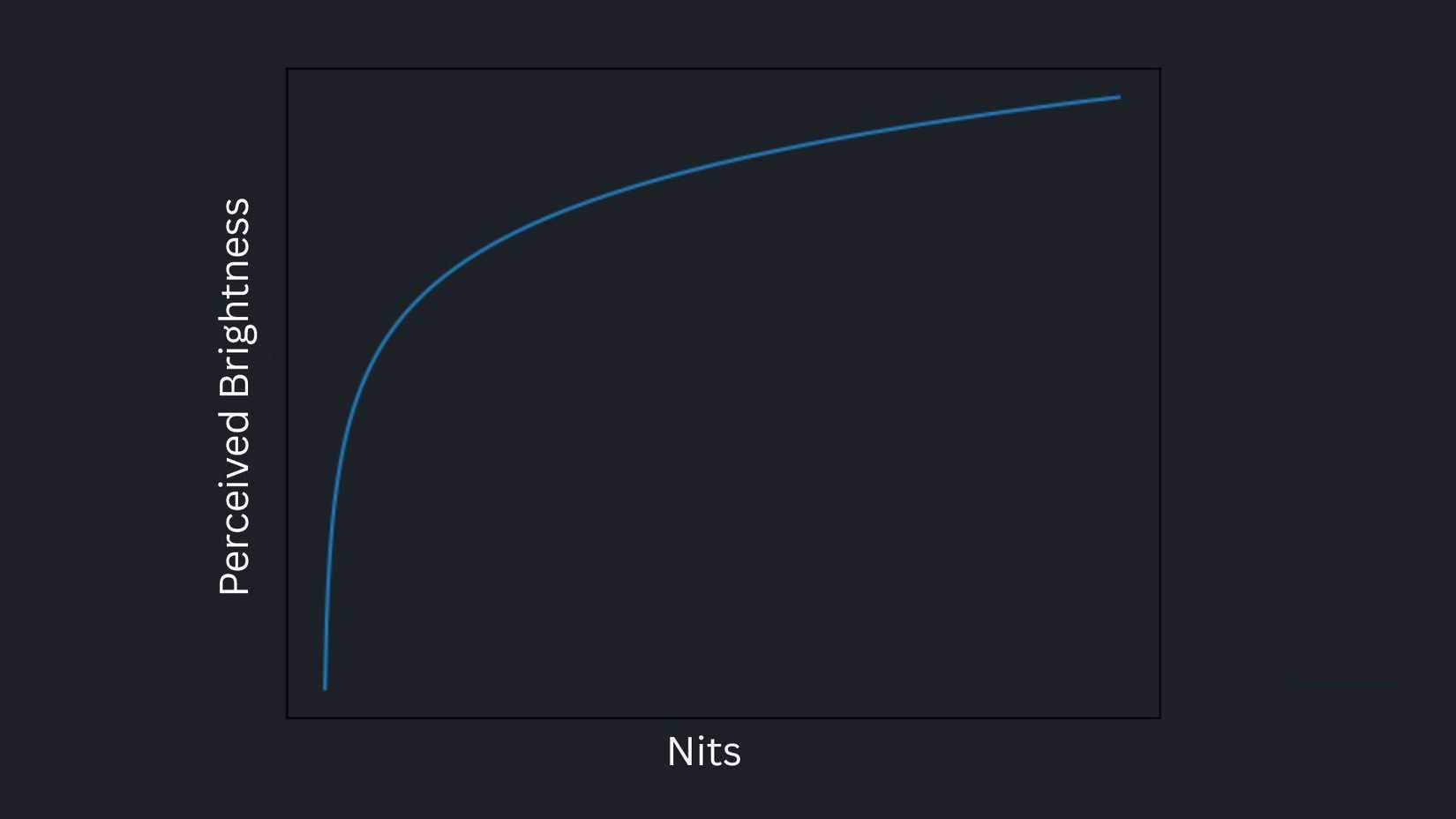
You can be completely wrong about what many numbers in phone marketing actually mean. Screen brightness is the easiest example. Every time a new phone comes out, it tries to outdo the previous one with '2500 nits' or '3300 nits.'
Nit is just a measure of a display's maximum brightness, and it makes for an impressive number on a slide. But that peak brightness only happens in very specific situations, usually when viewing HDR content outdoors. Most of the time, your phone can't hit those numbers.
And even if it could, perceived brightness isn't linearly proportional. So doubling the number of nits doesn't double the brightness of the display. When comparing numbers like 2500 vs 3000 nits, the difference is essentially imperceptible.
What's more important is how the phone handles light in real-world conditions. Reflectivity and anti-reflective coatings have a bigger impact. The S24 Ultra is rated at around 2,600 nits, but it's significantly easier to use outdoors than the Pixel 10 Pro simply because Samsung's anti-reflective coating is better. The Pixel's supposed brightness advantage doesn't translate into real-world usability.
Software experience is more important than hardware specs
Now it's all just a software game
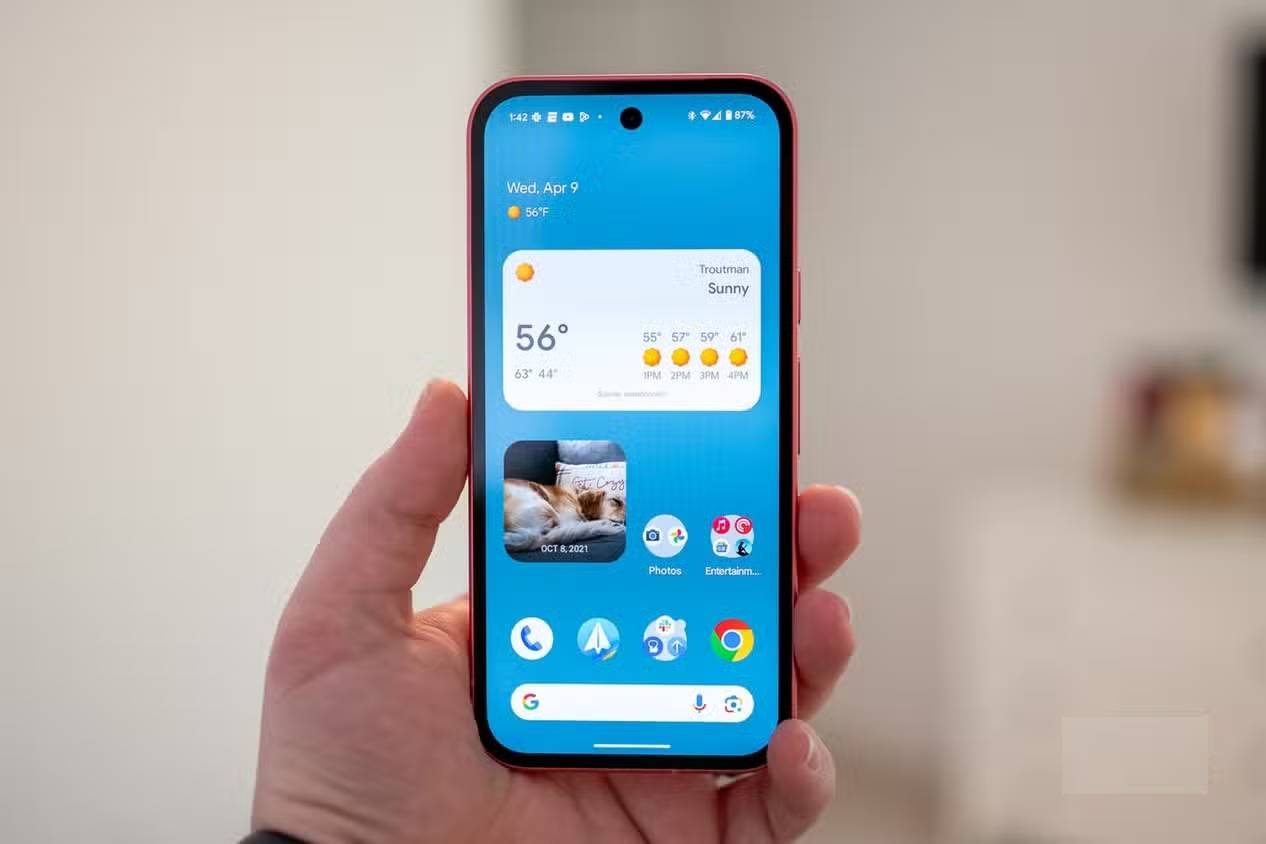
This is the important part. We've reached a point where the hardware on most phones is perfectly suited to our purposes. Big differences in specs don't matter much anymore. It's all a software game now.
Even within AI, you can see the difference. Apple has tried to build Apple Intelligence with a focus on on-device processing, and the results are pretty mediocre right now. Meanwhile, Google and others have put more effort into the actual software experience, even if that means relying more on the cloud, and the results are actually more useful.
Even beyond AI, it really depends on what kind of experience you want. If someone just wants something simple, where everything just works, and wants things like FaceTime or iMessage without having to think about it, they should go with the iPhone. It's the easiest and least stressful option.
FAQ
Why Phone Benchmarks Don't Really Matter Anymore: Explained?
In practical terms, rather than chasing whatever looks best on paper, it makes much more sense to consider what actually affects how you feel when using your phone.
What factors are most important?
The article highlights that bigger camera specs don't mean better photos Image processing determines the final look Phone camera marketing loves numbers, like bigger sensors and higher megapixel counts.
What is the main takeaway?
The main takeaway is that big differences in specs don't matter much anymore.
Related Articles
 7 Key Benchmarks to Evaluate Ai's Agenda Reasoning Capabilities11 minutes read
 Matter 1.5 Standard Officially Launched7 minutes read
 Finding New Materials Capable of Detecting Dark Matter4 minutes read
 Astronomers Create the Most Accurate Map of All Matter in the Universe3 minutes read
 Comparing Gpt-5.4 Mini and Gpt-5.4 Nano: Features, Benchmarks, and Use Cases8 minutes read
 'giant Atoms' Swallow Other Atoms to Create a New State of Matter4 minutes read
Reader Comments 0
Sign in with email or Google to join the discussion.