Table of Contents
DopFone is a research prototype that estimates fetal heart rate using a smartphone's speaker and microphone. In a study of 23 pregnant patients, its average error was 2.1 beats per minute compared with a medical Doppler device. That result is promising for measurement, but it does not show that the app can detect fetal distress or replace prenatal care.
How the phone estimates a heartbeat
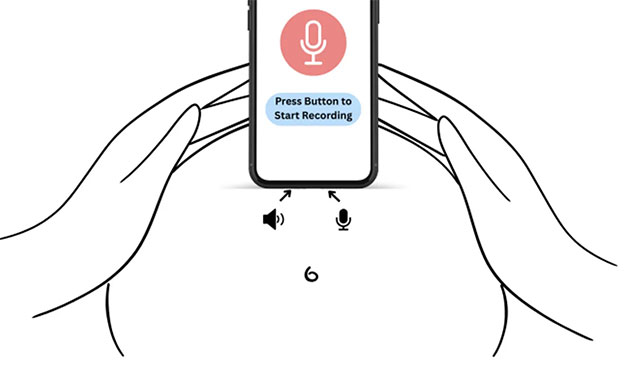
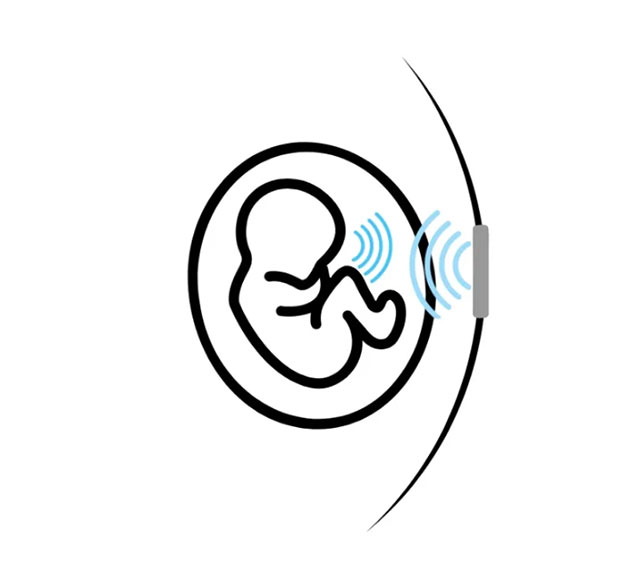
The researchers placed the phone's microphone against the abdomen for about one minute. Its speaker emitted an 18 kHz tone, and the microphone recorded subtle changes in the reflected sound. A model combined audio features with patient information to estimate the fetal heart rate. This is a prototype technique, not a feature built into ordinary phone calling or recording apps.
What the study measured
The University of Washington team tested 23 patients at 19–39 weeks of pregnancy in a clinical setting. The published paper reports a mean absolute error of 2.1 ± 1.3 beats per minute against a reference medical Doppler, with 95% limits of agreement of about ±4.9 beats per minute. These figures describe performance in that small study; they do not mean every individual reading will be that close.
Performance was somewhat lower at higher maternal body mass indexes. The study looked at variations in phone position, but it did not establish how the system would work across everyday home environments and phone models. The University of Washington's research report and the published study give the methods and results.
What remains untested
The participants had normal fetal heart rates; the researchers did not test whether DopFone can identify abnormal rhythms or emergencies. The reported gestational range starts at 19 weeks, so these results do not establish accuracy earlier in pregnancy. The original report also describes unanswered questions about broader device support and real-world use.
At the time of the university report, the team planned more testing and eventual public release. A research prototype should not be treated as a medical monitor available for self-diagnosis. If you are worried about a pregnancy or notice a change that concerns you, contact your maternity care team rather than relying on a phone reading for reassurance.
Related Articles
 7 Best Heart Rate Monitor Apps in 20209 minutes read
 Surprise with 5 Benefits When Using Hrm-m10 Heart Rate Meter4 minutes read
 Is Fitbit's Heart Rate Monitor Accurate: What to Know7 minutes read
 Instructions for Measuring Heart Rate by Phone Camera6 minutes read
 Top 5 Heart Rate Monitors and Spo2 Good Finger Grip, Cheap7 minutes read
 How to Measure Heart Rate at Home9 minutes read
Reader Comments 0
Sign in with email or Google to join the discussion.