Table of Contents
Explore the miraculous mechanism of action of the world's first cancer cure.
A historic success
Specifically, according to results published in the New England Journal of Medicine a few days ago, the group of 18 patients participating in the trial all had stage II and III rectal cancer with localized progression. At these stages, the tumor had metastasized within the rectum and even to the lymph nodes, but had not yet actually affected other organs – and the tumor had a rare gene mutation called mismatch repair deficiency (MMRd).
Patients were treated for six months with an experimental immunotherapy, centered around an immunotherapy drug called Dostarlimab from the UK pharmaceutical company GlaxoSmithKline. The drug costs approximately $11,000 per dose and is administered intravenously every three weeks.
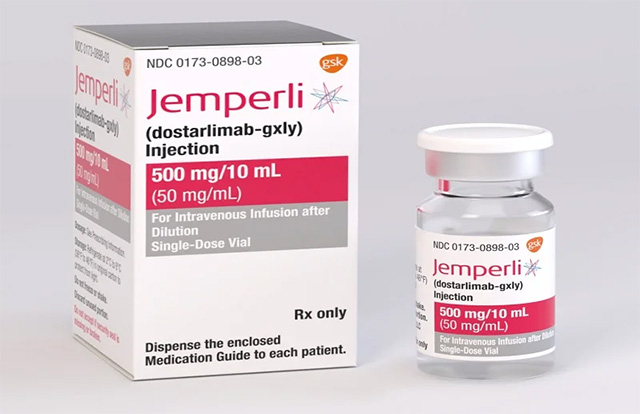
The results showed that all patients participating in the trial experienced 100% remission after using the medication for the prescribed period. Notably, none of the patients experienced clinically significant complications. Adverse reactions to Dostarlimab were typically limited to fatigue, nausea, diarrhea, and constipation. These were far milder than the side effects that can occur during surgery, radiation therapy, or chemotherapy, which can permanently affect fertility, sexual health, and bowel and bladder function.
Operating mechanism
Dostarlimab is essentially an immune checkpoint inhibitor. This means the drug doesn't directly target cancer cells in the usual 'find and destroy' manner. Instead, it encourages and directs the patient's own immune system to do this. The key to its success lies in Dostarlimab's ability to block proteins that prevent the immune system from attacking cancer cells.
To make it easier to visualize, imagine Dostarlimab acting as a diligent 'spy,' tasked with finding and accurately locating cancer cells, then 'pointing out' them to the body's immune system so it can find and destroy them. In simpler terms, this is an immunotherapy.
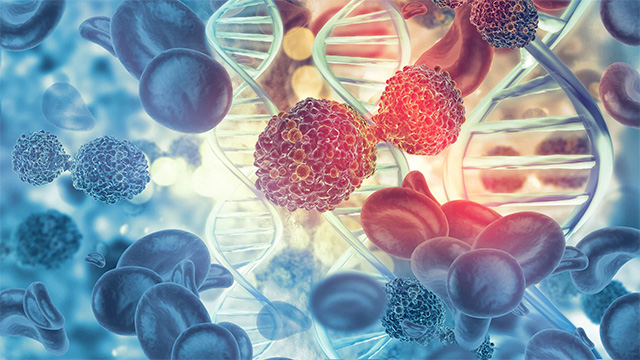
According to the general mechanism of the human immune system, T cells are the key factor in seeking out and destroying infected cells in the body. T cells contain two types of proteins: one that activates the immune response, and another that limits the immune response. These are called checkpoint proteins.
The first checkpoint protein activates T cells to 'fight' pathogens. But the problem is that errors occur if T cells work for too long. They begin to destroy healthy tissue as well. At this point, the second protein signals the T cells to stop.
Some malignant cancer cells often produce high levels of type-two proteins. This means they can disable T cells early on. As a result, T cells are unable to recognize and destroy cancer cells. This is where Dostarlimab comes into play by blocking the cancer cells' type-two proteins, pinpointing their location so T cells can identify and destroy them.
In the clinical trial, none of the patients experienced significant complications, and the disease was reported not to recur in any of the cases. These patients were now cancer-free within 6 to 25 months after the trial concluded. They did not require any standard cancer treatments such as surgery, radiation therapy, or chemotherapy.
The promise of Dostarlimab is undeniable; however, current clinical trials are very small, with results only seen in patients with a specific type of cancer. This significant success will play a major role in encouraging larger-scale studies, not only for colorectal cancer but also for many other malignant cancers.
Final Thoughts
Understanding the miraculous mechanism of action of the world's first cancer cure makes it easier to evaluate the information and apply the most relevant recommendations. Focus on the key points above and verify details that may change over time.
FAQ
What is the miraculous mechanism of action of the world's first cancer cure?
Explore the miraculous mechanism of action of the world's first cancer cure.
What key points does this article cover?
The article focuses on A historic success, Operating mechanism, with practical explanations and examples.
How can you use this information in practice?
Use the explanations to compare options, verify important details, and make a more informed decision. Apply the recommendations that best match your goals and situation.
Related Articles
 Cancer Treatment with Virus, a New Breakthrough in Medicine?8 minutes read
 Bowel Bacteria Help Anti-cancer Immunotherapy Work Better4 minutes read
 Genetically Modified Bacteria in Shellfish Help Kill Cancer Tumors4 minutes read
 Find Out the Mechanism of Mutation of Strange Genes Leading3 minutes read
 What Cordyceps Cure: Cordyceps What Cure?7 minutes read
 It Turns Out That We Have Been Indifferent to Using Cancer-causing6 minutes read
Reader Comments 0
Sign in with email or Google to join the discussion.