Table of Contents
This guide provides a clear, practical overview of "Why You Won't Regret Leaving Windows for Linux". It organizes the most useful details, explains important considerations, and highlights the steps or choices that matter most.
1. Windows has too many random errors
One of the biggest problems with Windows is the random errors you encounter during day-to-day use. The latest example of this is the blue screen of death that causes the system to crash every time you connect an Xbox controller to your PC via Bluetooth. This issue occurs on the latest stable release, without warning, and for an obvious reason – Windows just decides to start crashing every time a controller is connected.
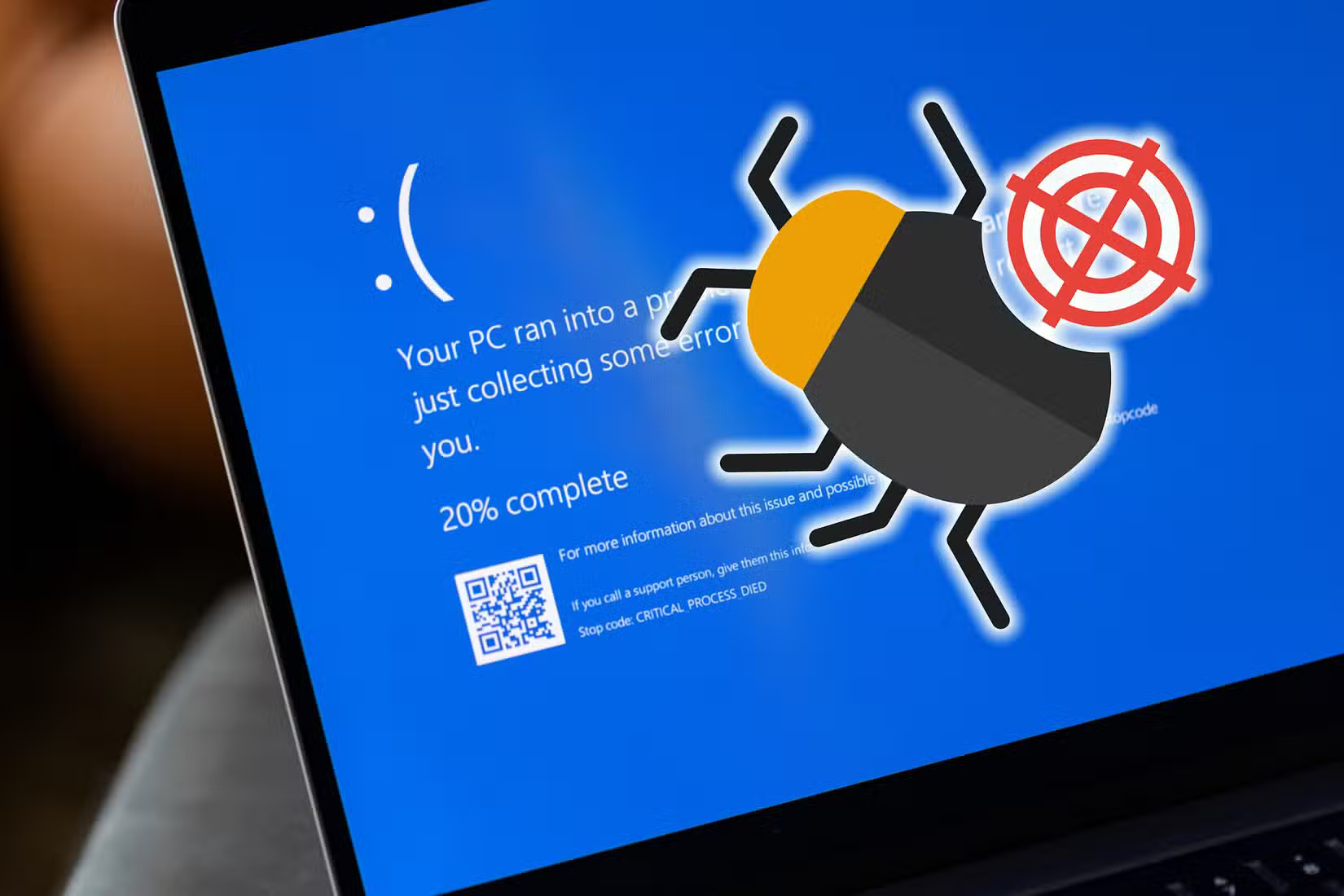
Despite launching in 2021, Windows still feels like a work in progress in 2025. And while incremental improvements over time may be Microsoft's idea for the OS, it doesn't work for many people. You can't sit with a broken system just because the company decided that some minor cosmetic or system tweaks were more important than maintaining functionality.
2. Updates can make or break your system
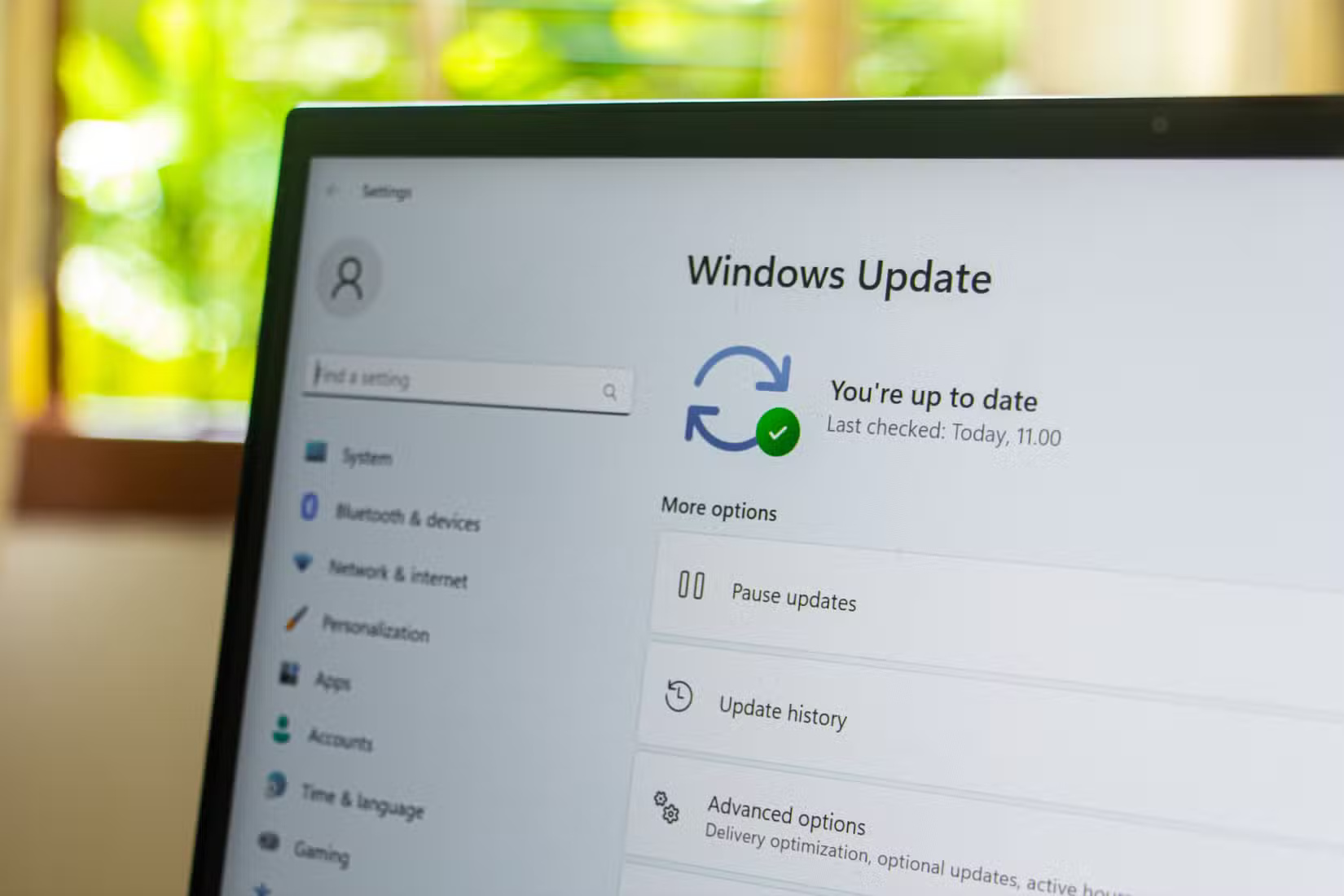
Windows updates are a mixed bag. They might add a cool new feature or visual tweak, but they might also break some functionality on your PC. And when that happens, you almost certainly won't notice it within the 10-day recovery period Microsoft provides.
Finally, updates are becoming mandatory. It's well known that Microsoft broke millions of PCs with the 24H2 update for Windows 11 and eventually forced the update on unwilling users after a while. And if you're using Windows 10, you're probably aware that the company is killing off its best operating system in four decades since Windows 1.0.
3. AI is everywhere for no good reason
Microsoft's push for AI, while not completely useless, is overkill for most people. Even Notepad has AI built in, and that's the simplest Windows tool. Most of Microsoft's AI features scattered throughout Windows are often unusable, as you need a Microsoft 365 subscription to use them.
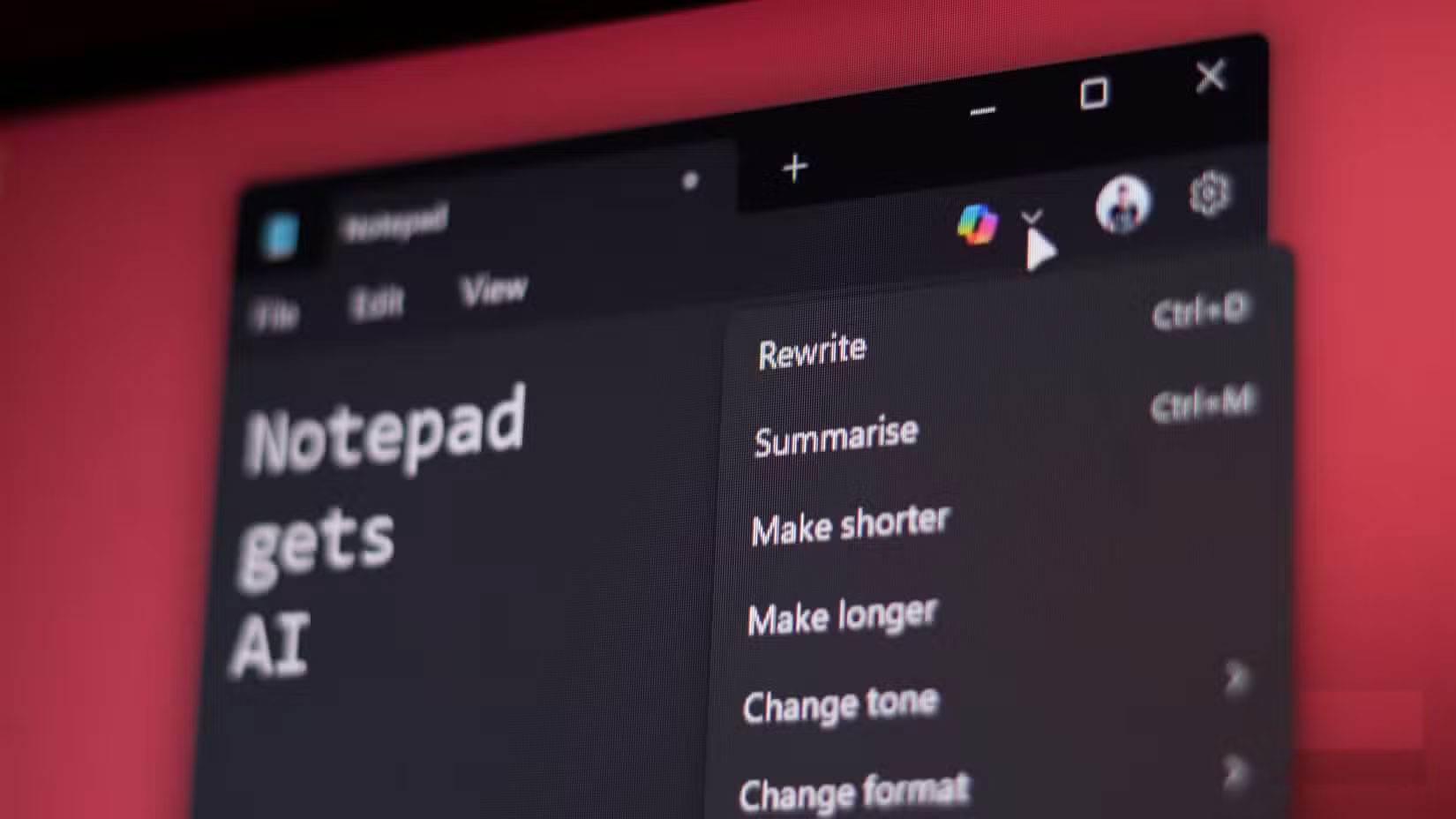
Many people don't want AI in every corner of their operating system, so Windows leaves you with no choice but to use a bloated platform with features you won't use, but can't turn off. These AI features can also be a major privacy risk, since they require you to sign in with your Microsoft account on every app you want to use them in. (Not to mention the need to use a Microsoft account for Windows as a whole.)
4. Windows requires too many hardware resources
If you're not running relatively modern hardware in 2025, you won't get the most out of your Windows 11 experience. The operating system requires too many hardware resources to run properly, leaving little room for games and programs. This creates a false perception that PCs are slow, prompting gullible users to upgrade their already-good computers.
Requiring TPM 2.0 to run Windows 11, while important for security, is not optional. This is not a great move because it makes hundreds of thousands, if not millions, of PCs obsolete (if you want to stick with Windows).
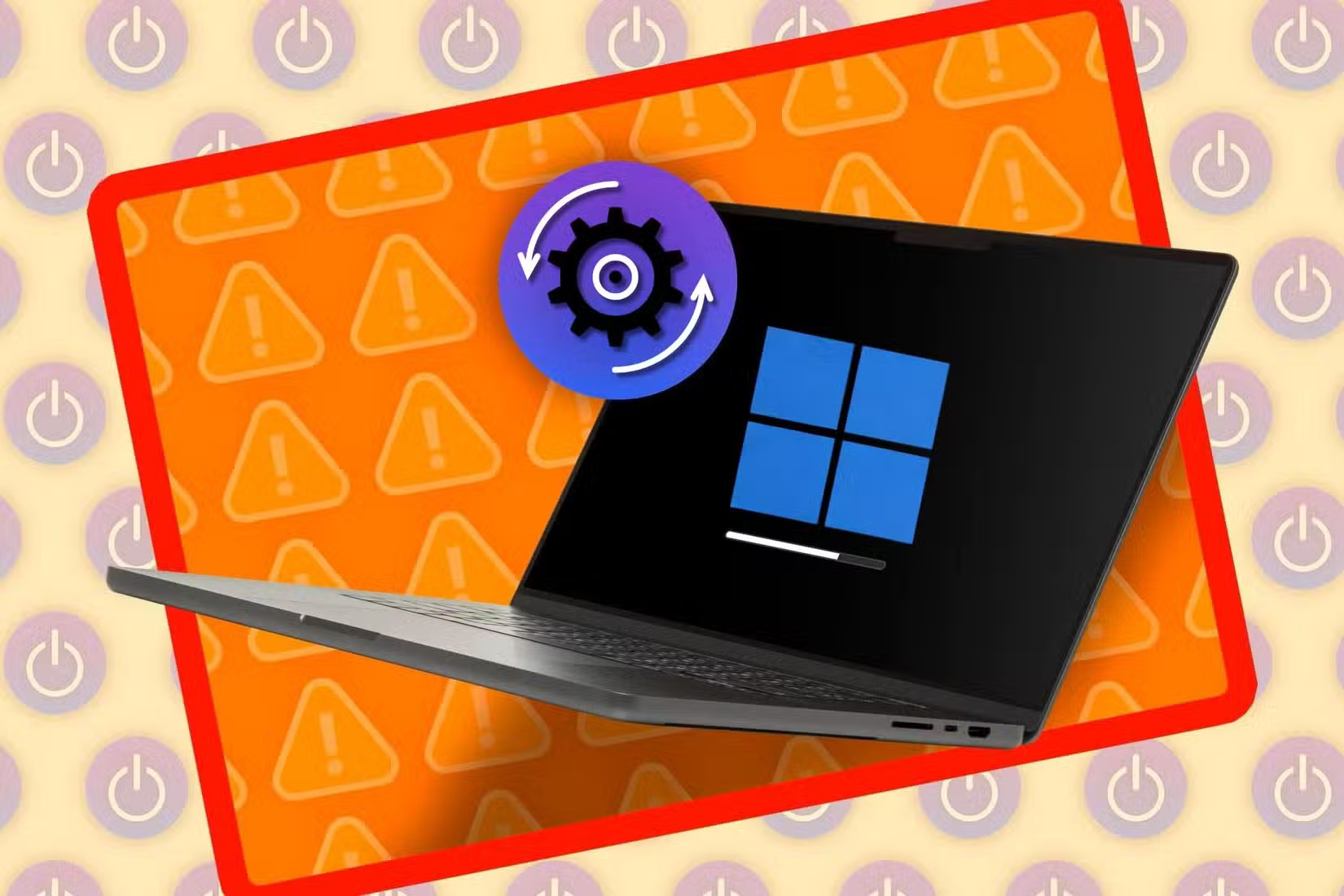
Even if you can run Windows 11 on an older PC, chances are you'll run into performance issues when using almost every program. Many people have experienced this on their previous machines, with upgrading from Windows 10 to 11 causing noticeable performance drops when running games and creative programs like Premiere Pro and Photoshop.
5. Security and privacy are still bad
Windows 11 is supposed to be privacy-focused, and to be fair, Microsoft offers a lot of privacy and security controls to protect your system. Windows security has also improved, eliminating the need for paid antivirus solutions. However, Windows' default settings can make your life more difficult.
There are benefits to letting Windows invade your privacy, but that doesn't change the fact that your usage data is being sent back to Microsoft (and often to third parties). If you don't need this convenience, there are Windows privacy settings you should change immediately.
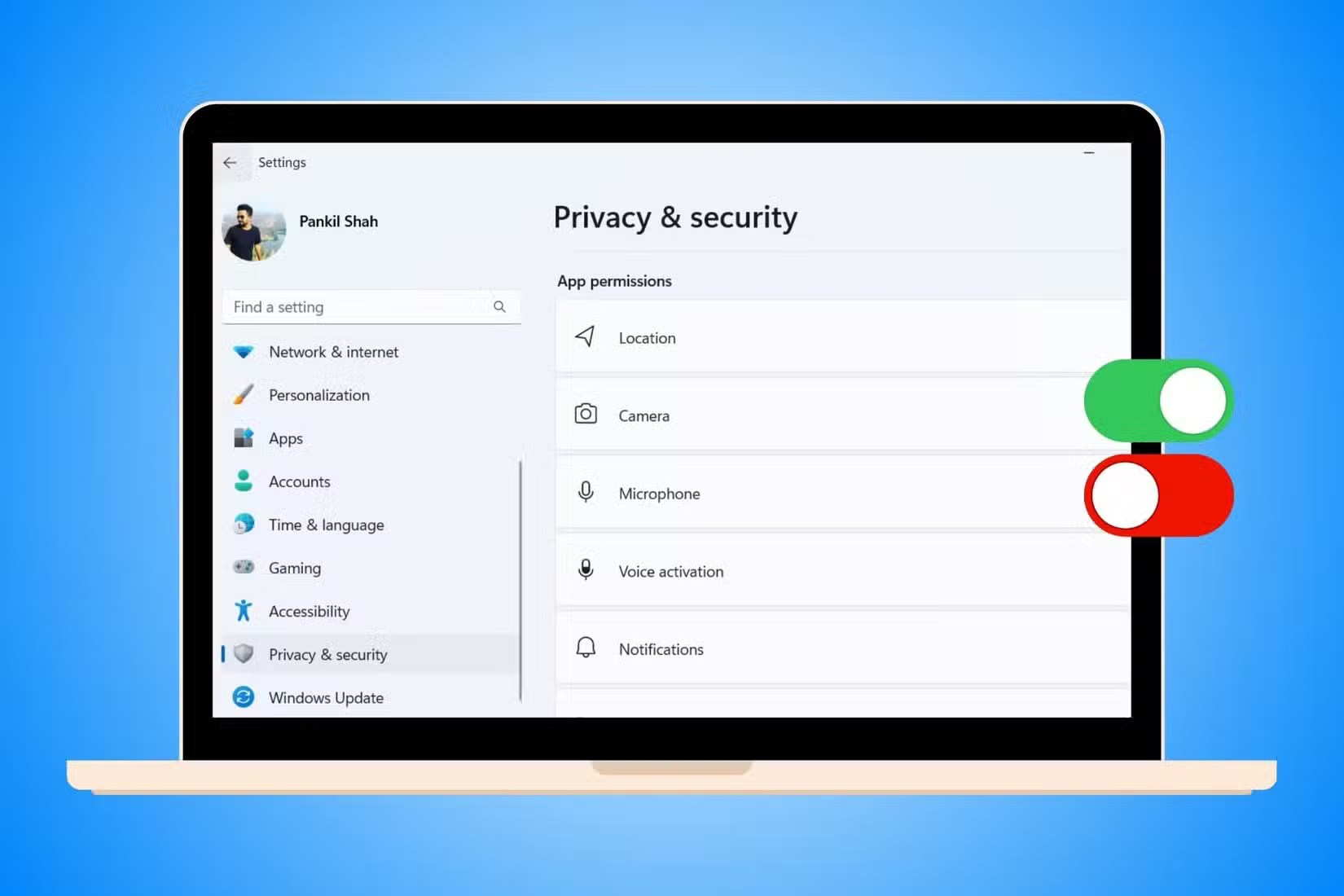
Switching from Windows to Linux is not easy, especially if you are not comfortable swapping out entire operating systems, using virtual machines, and dealing with a completely new platform. It may seem daunting at first, but the results are definitely worth it.
If you are planning to switch from Windows to Linux, please refer to:
- 8 Key Differences Between Windows and Linux
- 10+ Mistakes of New Linux Users
Have you ever used Linux? What difficulties did you encounter while getting used to this operating system? Please leave a comment.
FAQ
What should you know about 1. Windows has too many random errors?
One of the biggest problems with Windows is the random errors you encounter during day-to-day use. The latest example of this is the blue screen of death that causes the system to crash every time you connect an Xbox controller to your PC via Bluetooth. This issue occurs on the latest stable release, without warning, and for an.
What should you know about 2. Updates can make or break your system?
Windows updates are a mixed bag. They might add a cool new feature or visual tweak, but they might also break some functionality on your PC. And when that happens, you almost certainly won't notice it within the 10-day recovery period Microsoft provides.
What should you know about 3. AI is everywhere for no good reason?
Microsoft's push for AI, while not completely useless, is overkill for most people. Even Notepad has AI built in, and that's the simplest Windows tool. Most of Microsoft's AI features scattered throughout Windows are often unusable, as you need a Microsoft 365 subscription to use them.
What should you know about 4. Windows requires too many hardware resources?
If you're not running relatively modern hardware in 2025, you won't get the most out of your Windows 11 experience. The operating system requires too many hardware resources to run properly, leaving little room for games and programs. This creates a false perception that PCs are slow, prompting gullible users to upgrade their.
Related Articles
 Don't Switch to These 5 Linux Distros When Leaving Windows 10!: Key Facts6 minutes read
 Don't Complain, Remember the 16 Things to Do to Live a Life8 minutes read
 How to Run Linux Software: 7 Ways to Run Linux Software on9 minutes read
 8 Main Differences Between Windows and Linux8 minutes read
 5 Ways to Make Your Switch from Windows to Linux Easier: Practical Guide7 minutes read
 Convert Data, Applications from Windows to Linux in Minutes9 minutes read
Reader Comments 0
Sign in with email or Google to join the discussion.