Table of Contents
This guide provides a clear, practical overview of "Why Cable TV Is Better Than Streaming Services". It organizes the most useful details, explains important considerations, and highlights the steps or choices that matter most.
Streaming services have officially surpassed cable and broadcast TV in viewership.
Streaming services have finally come of age. For the first time in television history, streaming has officially surpassed traditional TV viewership. According to Nielsen, streaming will account for 44.8% of total TV viewership by May 2025, while broadcast and cable combined will account for 44.2%. It's a small margin, but it's historic.
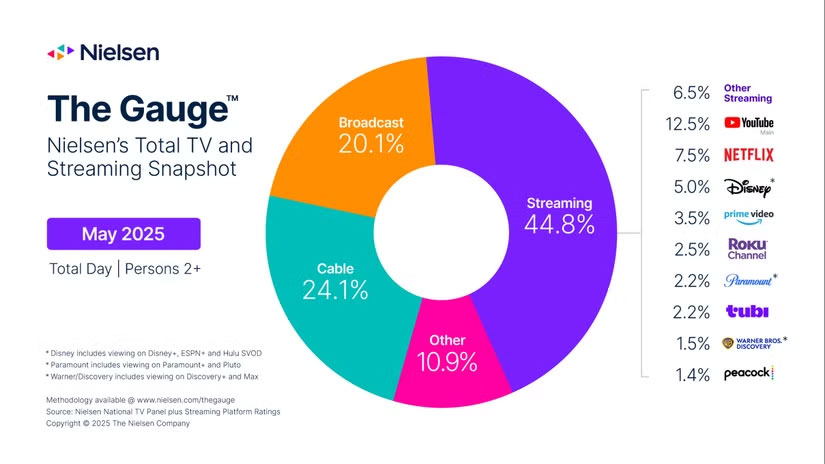
This is something we've all been predicting for years, right? The demise of cable TV, the rise of on-demand content and a future where we can control when we watch it, is inevitable. Streaming usage has skyrocketed 71% since 2021, while cable viewing has dropped 39%.
In other words, the era of channel-switching has officially been overtaken by algorithms, on-demand menus, and autoplay previews. And that's an impressive milestone, indeed. But while everyone else is toasting the end of cable, many people want to see it come back.
Too many streaming services make choosing what to watch more complicated
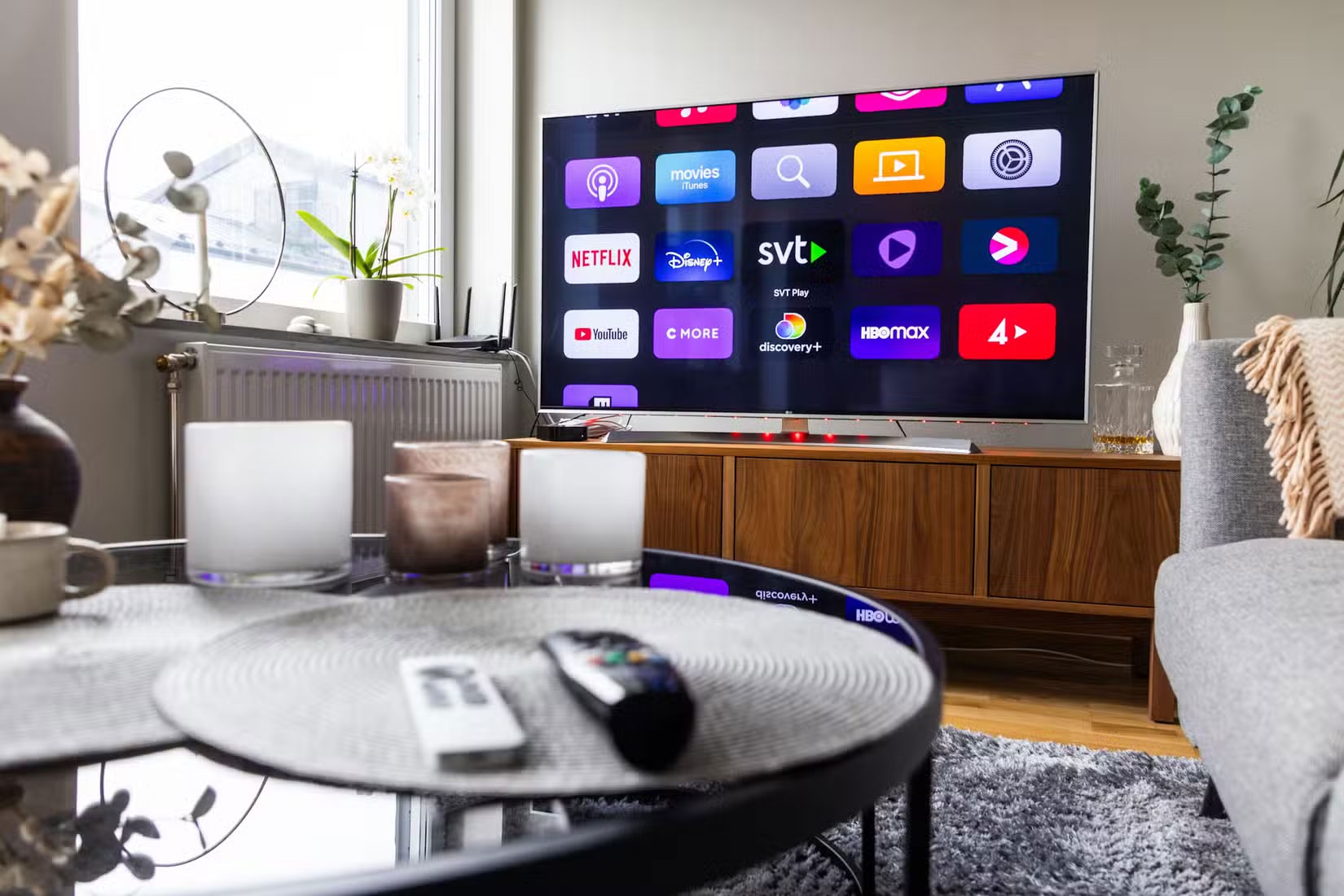
Nielsen's report notes that the list of streaming platforms with significant viewership has expanded from five services in 2021 to 11 in 2025. That's a doubling in just four years. Netflix, YouTube, Hulu, Prime Video, Disney+, Paramount+, Peacock, Max, Apple TV+, and a growing list of free, ad-supported services like Pluto TV, Roku Channel, and Tubi. That's a lot. That's 11 apps, 11 interfaces, 11 subscriptions—and, in theory, 11 different shows you're only half-watching.
What was supposed to simplify our viewing experience has become a complex puzzle. You spend more time deciding what to watch than actually watching. First, you have to remember which service has which show. Then you have to figure out whether you still have a subscription to that service. Then you have to decide whether it's worth subscribing to yet another platform just to watch a show you want.
Free streaming services are growing rapidly, but they feel more like cable TV
Here's where things get really ironic: Free ad-supported streaming services (FAST) are exploding. Pluto TV, Roku Channel, and Tubi together account for 5.7% of all TV viewership—more than any single broadcast network. These services are growing because they're free, but they're also growing because they offer something familiar: the ability to just turn on the TV and play something.
But these services are just cable TV with extra steps. You're still seeing commercials, you're still limited to what's pre-programmed, and you're still dealing with rotating content based on licensing agreements. The main difference is that you access it through an app instead of a cable box.
Live events and sports are still better on cable TV
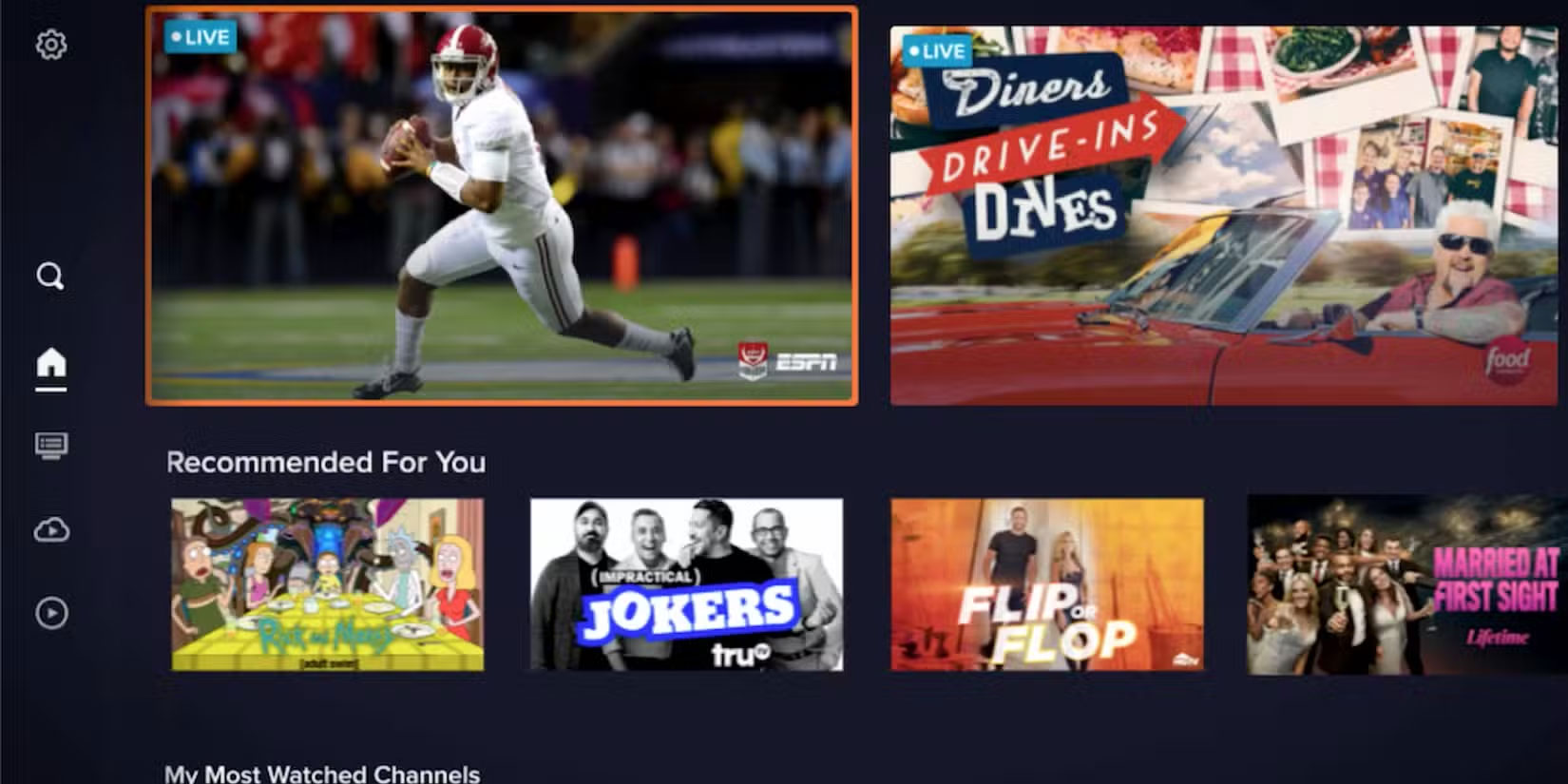
Despite all the advances in streaming technology, there's still one thing traditional TV does better: Live events. Streaming services are getting into live sports, by the way—Netflix's NFL games and NBC's Olympic Games streams on Peacock are prime examples—and the experience is very different.
Streaming also makes us impatient. We're so used to watching entire seasons that waiting a week between episodes becomes unbearable. But there's something to be said for traditional television, the waiting, the anticipation, the shared cultural moments when everyone watches the same thing at the same time.
Many people still want cable TV back
This may seem crazy, especially to someone who was on the verge of giving up cable years ago: People are starting to miss cable. Not because of the overpriced plans, bad customer service, and endless TV commercials, but because of its simplicity.
With cable TV, you turn on the TV and flip through channels until you find something to watch. You don't have to remember passwords, worry about whether your Internet connection is fast enough, manage multiple subscriptions, or figure out which platform has the shows you want to watch.
Nielsen's report suggests that the dominance of streaming services over traditional TV may be temporary, shifting back and forth depending on the season and what's available. Many hope that's true. Not because they want streaming services to fail, but because they think there's room for both models to coexist.
FAQ
What should you know about streaming services have officially surpassed cable and broadcast TV in viewership?
Streaming services have finally come of age. For the first time in television history, streaming has officially surpassed traditional TV viewership. According to Nielsen, streaming will account for 44.8% of total TV viewership by May 2025, while broadcast and cable combined will account for 44.2%. It's a small margin, but it's.
What should you know about too many streaming services make choosing what to watch more complicated?
Nielsen's report notes that the list of streaming platforms with significant viewership has expanded from five services in 2021 to 11 in 2025. That's a doubling in just four years. Netflix, YouTube, Hulu, Prime Video, Disney+, Paramount+, Peacock, Max, Apple TV+, and a growing list of free, ad-supported services like Pluto TV.
What should you know about free streaming services are growing rapidly, but they feel more like cable TV?
Here's where things get really ironic: Free ad-supported streaming services (FAST) are exploding. Pluto TV, Roku Channel, and Tubi together account for 5.7% of all TV viewership—more than any single broadcast network. These services are growing because they're free, but they're also growing because they offer something.
What should you know about live events and sports are still better on cable TV?
Despite all the advances in streaming technology, there's still one thing traditional TV does better: Live events. Streaming services are getting into live sports, by the way—Netflix's NFL games and NBC's Olympic Games streams on Peacock are prime examples—and the experience is very different.
Related Articles
 9 Interesting but Little-Known Streaming Services7 minutes read
 5 Streaming Services That Offer the Best Value6 minutes read
 6 Streaming Services That Are Actually Worth Paying for8 minutes read
 What Is Roku? How Does Roku Work?14 minutes read
 The 5 Top Streaming Services for 4K Content: Top Picks and Buying Guide7 minutes read
 How to Find Songs on 7 Music Streaming Services at the Same2 minutes read
Reader Comments 0
Sign in with email or Google to join the discussion.