Table of Contents
Nature is never in our control. These terrifying natural disasters that seem to only happen in movies are a warning to humanity.
Nature is never in our control. The following horrifying natural disasters, which we thought only happened in movies, are a warning to humans to protect the environment in the best way possible.
Natural disasters are a constant reminder of the power and unpredictability of nature. Some events in history may seem like the stuff of science fiction, but they are actually warnings about the future of our planet and climate. These natural disasters are so extreme that they seem made-up, but they really happened, so let's take them as a warning.
The Year Without a Summer
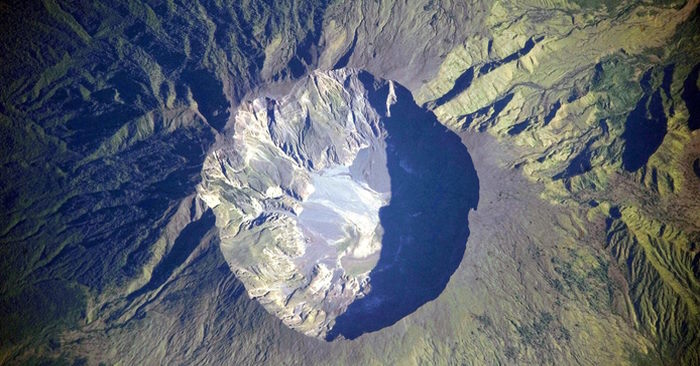
Imagine a year where summer never appeared, leaving you feeling cold and confused. In 1816, after the eruption of Mount Tambora in Indonesia, that was exactly what happened. Volcanic ash spewed into the atmosphere blocked out direct sunlight, causing global temperatures to drop dramatically. Crops failed, and snow fell in June, leaving people wondering if the Sun would ever rise again.
According to a detailed study published in the journal Nature Geoscience, the climate anomalies were a direct result of the massive volcanic eruption, which led to food shortages and economic depression across the Northern Hemisphere. You would think something so dramatic was the stuff of ancient mythology, but history tells a different story – one of resilience and adaptability in the face of unexpected hardship.
Heavy fog in London
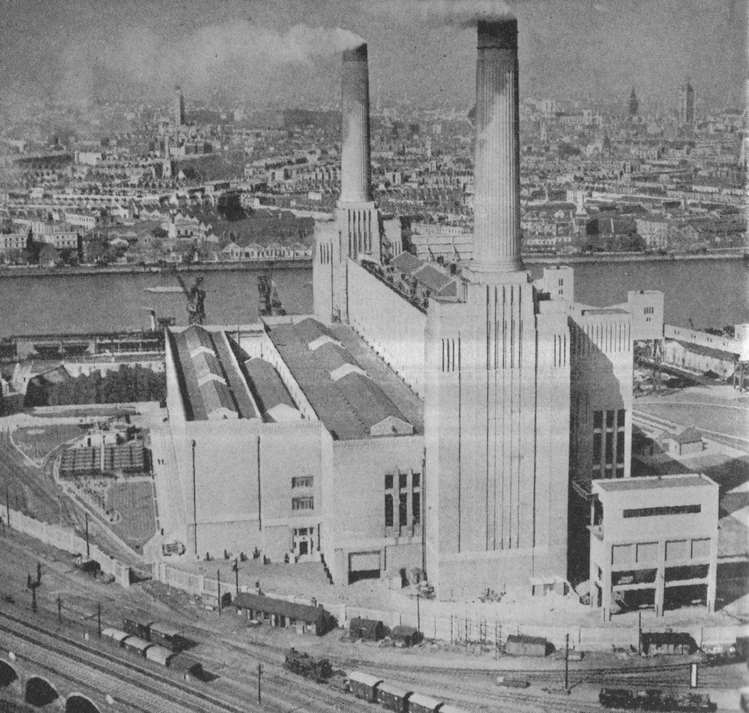
Picture a fog so thick, yellow you can't see your hand in front of your face. That was London in December 1952, when a combination of extreme weather conditions and industrial pollution created a fog that lasted for days. Daily life came to a halt, transport was halted and public events were canceled due to poor visibility. The fog wasn't just inconvenient, it was deadly, claiming thousands of lives due to respiratory complications.
This environmental disaster spurred sweeping legislative changes, resulting in the Clean Air Act of 1956. It served as a wake-up call to the dangers of industrial pollution, both to the environment and to public health. People began to understand the crucial connection between air quality and daily life, paving the way for modern environmental policies. When we think of London today, the smog feels like a relic of a world that seems incomprehensible today—but it was a turning point in environmental awareness.
Dust storm
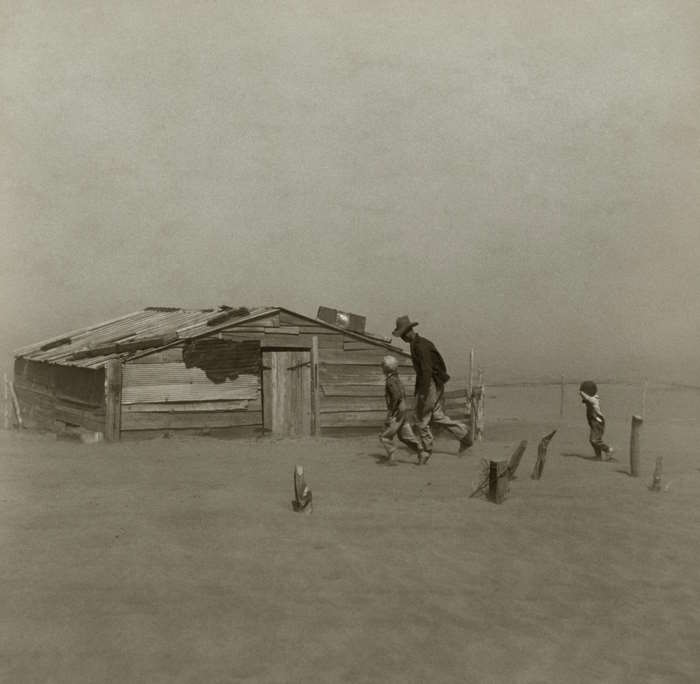
The Great Plains region of the United States is not usually associated with apocalyptic dust storms, but the 1930s proved otherwise. Known as the Dust Bowl, this period saw massive dust storms wreak havoc on the region's agriculture and livelihoods. Poor land management and severe drought turned fertile land into barren wasteland, creating scenes straight out of a sci-fi disaster movie. Skies turned black, and entire communities were forced to pack up and move in search of better prospects.
The United States Department of Agriculture (USDA) documented the event in detail, emphasizing the importance of sustainable farming practices. The disaster led to significant changes in agricultural policy and soil conservation practices. It served as a valuable lesson in environmental stewardship, emphasizing the need to balance human activity with natural ecosystems. The dust storm is not just a cautionary tale from history; it is also a reminder of the fragile interplay between humans and nature.
Tunguska explosion
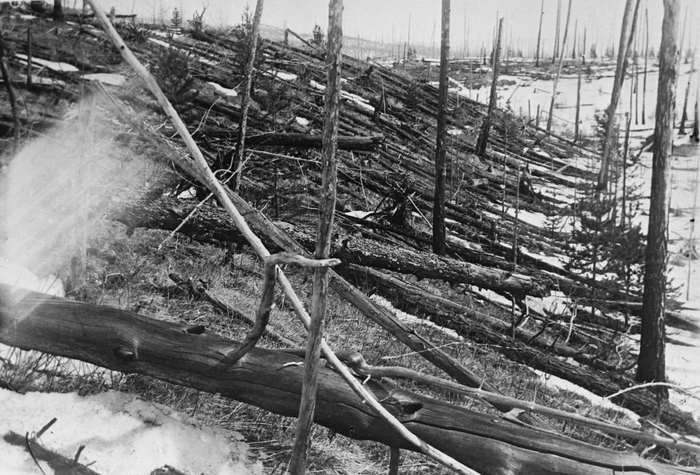
Imagine a mysterious explosion so powerful it flattened 800 square miles of Siberian forest, but left no crater behind. This is the mysterious Tunguska event of 1908, where a massive airborne explosion, possibly from a meteor or comet fragment, shook the Earth. Witnesses described a fireball and shockwave so powerful it knocked people off their feet for miles. Over the years, the lack of physical evidence has led to wild speculation and theories—from alien invasions to the experiments of Nikola Tesla.
Scientific expeditions in the years that followed uncovered vast devastation, confirming its cosmic origins. The event remains the largest recorded impact event on or near Earth, serving as a stark reminder of the potential threats from outer space. The Tunguska event sparked imaginations, blending scientific curiosity with a touch of fantasy. It underscored the fact that our planet is always at the mercy of celestial whims.
Peshtigo Fire
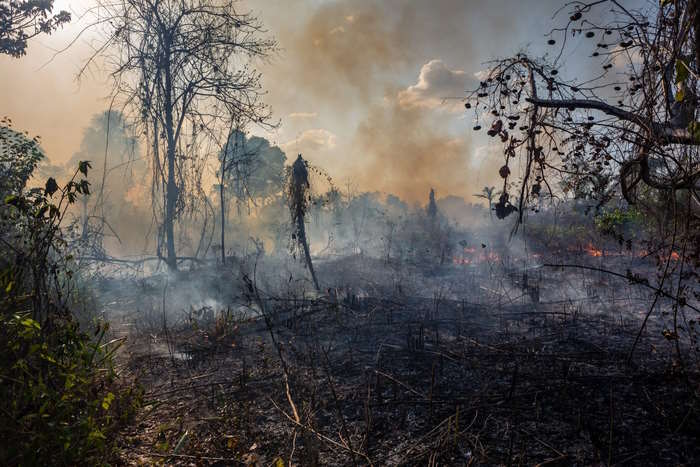
You may have heard of the Great Chicago Fire, but few know about the Peshtigo Fire of 1871. This ferocious blaze ravaged northeastern Wisconsin, scorching 1.2 million acres and killing more than a thousand people. The firestorm was so intense that it created its own weather system, with tornado-like fire tornadoes adding to the chaos. Survivors described walls of fire and skies that looked as if hell had descended on Earth.
A report from the Wisconsin Historical Society provides a comprehensive account of the disaster, noting that dry conditions and strong winds fueled the rapid spread of the fire. Communities were left to rebuild from the ashes of one of the deadliest wildfires in U.S. history. The Peshtigo Fire is a haunting reminder of the raw power of nature and the importance of fire safety and preparedness. While the Chicago fire is etched into the annals of history, the Peshtigo Fire remains a testament to the resilience of the human spirit in the face of unimaginable devastation.
FAQ
What should you know about devastating natural disasters that seem like movie scenes?
In practical terms, nature is never in our control. These terrifying natural disasters that seem to only happen in movies are a warning to humanity.
Why does devastating natural disasters that seem like movie scenes matter?
The article highlights that natural disasters are a constant reminder of the power and unpredictability of nature.
What is the main takeaway?
The main takeaway is that these natural disasters are so extreme that they seem made-up, but they really happened, so let's take them as a warning.
Related Articles
 What Is the Most Devastating Natural Disaster That the Earth Has Experienced?9 minutes read
 What Is the Biggest and Most Horrifying Tsunami in Modern History4 minutes read
 Emergency Bags, Necessary Items to Be Prepared to Prevent Natural2 minutes read
 Review the 10 Most Devastating Disasters in Human History6 minutes read
 Natural Disasters Can Kill Insects and Invertebrates3 minutes read
 Mysterious Lake 'Death' in Africa Robbed More Than 1700 Lives in One Night6 minutes read
Reader Comments 0
Sign in with email or Google to join the discussion.