Table of Contents
Bending ice with salt opens up exciting new streams, opening up unexpected paths toward clean, sustainable energy.
Bending ice with salt opens up exciting new streams, opening up unexpected paths toward clean, sustainable energy. Most of us probably didn't know that ice can generate electricity.
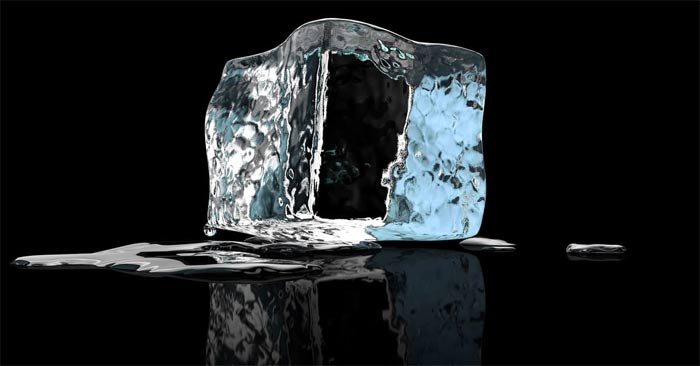
Ice is a hazard to humans. It makes roads slippery, leading to falls and serious accidents. But new research suggests that bending ice and adding salt could turn this winter nuisance into a promising source of sustainable energy.
Xin Wen and his research team at Xi'an Jiaotong University in China discovered that the tape has flexoelectric properties. In other words, it can generate electricity when bent.
Scientists have previously observed faint electrical activity during glacier collisions or ice sheet stretching. But no one has figured out how to make the effect strong enough for practical applications – until now.
The breakthrough was in salt ice. The team of researchers performed experiments freezing water with different amounts of common salt (NaCl).
They created samples in shapes like cones, beams, and plates, which were then tested for electrical capacity.
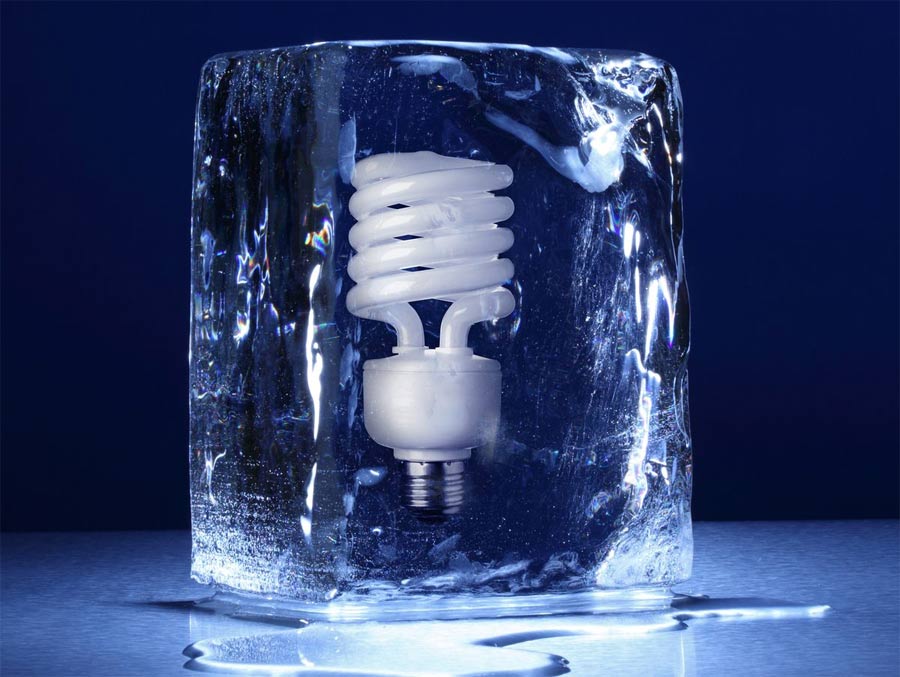
Salt opens hidden currents
To measure performance, the team used a three-point bend test. They placed the tape on two supports and pushed down from above.
The test involved bending samples, generating electricity. The results were astonishing. Bending the salt ice generated an electrical charge up to 1,000 times greater than pure ice.
Microscopy and Raman spectroscopy revealed why the salt makes such a difference. It prevents the ice from freezing completely, leaving behind microscopic channels of salty water. As pressure bends the ice, the liquid flows through the channels. Because moving water carries an electrical charge, the flow creates what scientists call an electric current.
The results of the experiment have real implications. In fact, ice covers about 10% of the Earth's surface. If harnessed, it could become a potentially powerful new source of clean energy.
As the team puts it, ' The high electrical flexural strength of salt ice brings the vision of ice energy harvesting one step closer to reality, and may also be relevant to the electrical activity of ice-covered landmasses and icy ocean worlds like Europa or Enceladus .'
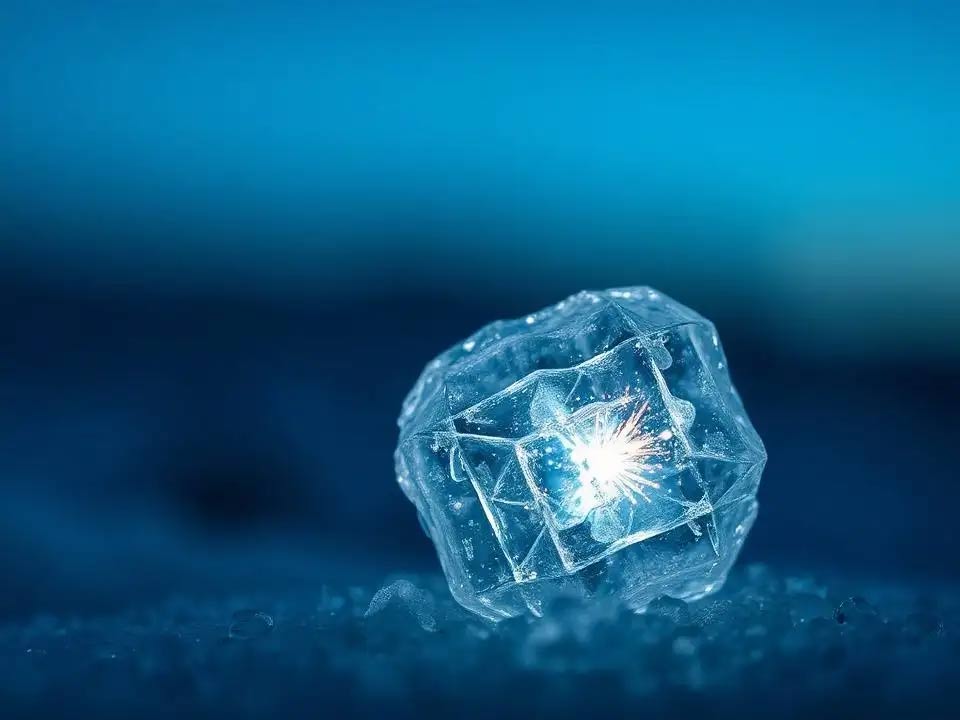
These findings come with caveats, however. Salt rock generators are subject to mechanical fatigue. After multiple bending cycles, their ability to generate electricity drops by up to 80%.
The efficiency is also inferior to commercial piezoelectric devices. A large part of the energy is lost as heat in the process.
FAQ
What should you know about ice has a super power that is especially useful in our lives?
In practical terms, bending ice with salt opens up exciting new streams, opening up unexpected paths toward clean, sustainable energy.
Why does ice has a super power that is especially useful in our lives matter?
The article highlights that most of us probably didn't know that ice can generate electricity.
What is the main takeaway?
The main takeaway is that but new research suggests that bending ice and adding salt could turn this winter nuisance into a promising source of sustainable energy.
Related Articles
 Dragon Ball: Top 5 Power States That Are Hard to Achieve5 minutes read
 MSI X-Slim - Super Power Saving3 minutes read
 Dell Latitude E4300 Super Power Saving6 minutes read
 How to Send Lives in Candy Crush: Complete Guide6 minutes read
 Video: Close-up of the Terrifying Power of the 'Super Rocket'4 minutes read
 The Strongest Characters in Dragon Ball Super2 minutes read
Reader Comments 0
Sign in with email or Google to join the discussion.