Table of Contents
Start reducing your electricity bill by checking what uses power for the longest time and what draws the most power. Small habits can help, but the best choice depends on your appliances, electricity tariff, and heating or cooling needs. Compare kilowatt-hours on your bills as well as the amount charged.
1. Replace frequently used bulbs with LEDs
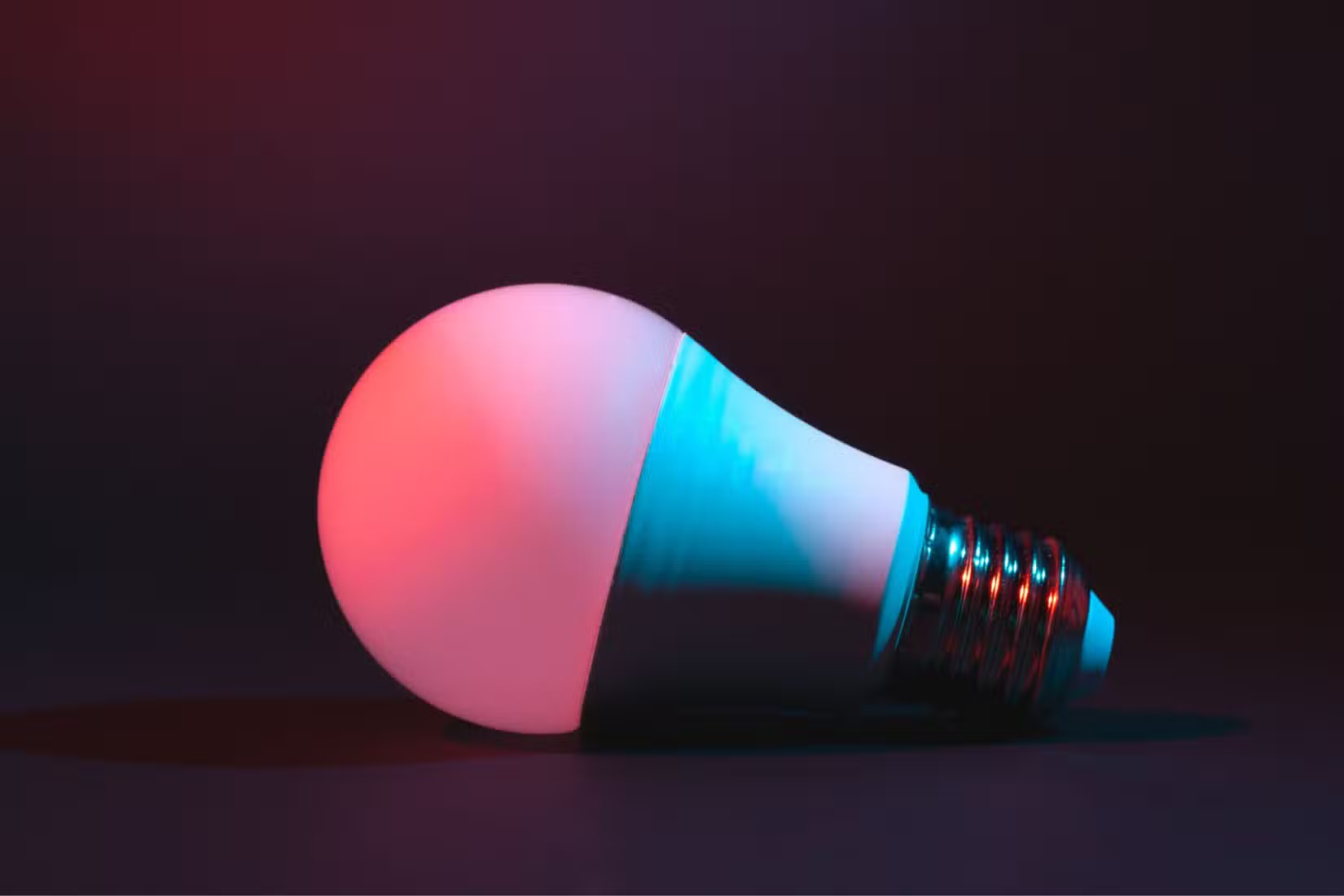
Prioritize incandescent or halogen bulbs that stay on for hours. Choose an LED with suitable brightness, color temperature, fitting, and dimmer compatibility. Compare lumens for brightness rather than buying the same wattage as the old bulb.
2. Turn off unnecessary lighting
Switch off lights in empty rooms and use daylight when it is comfortable. During hot weather, avoid bringing in so much direct sun that cooling demand rises. A simple household routine can work better than buying automation for every room.
3. Measure standby use before chasing it
Some televisions, consoles, speakers, and other electronics draw power in standby. Check their energy-saving settings and, where appropriate, measure consumption with a compatible plug-in meter. Unplug equipment you do not need, but leave refrigeration, safety equipment, and required network devices powered.
4. Use smart plugs selectively
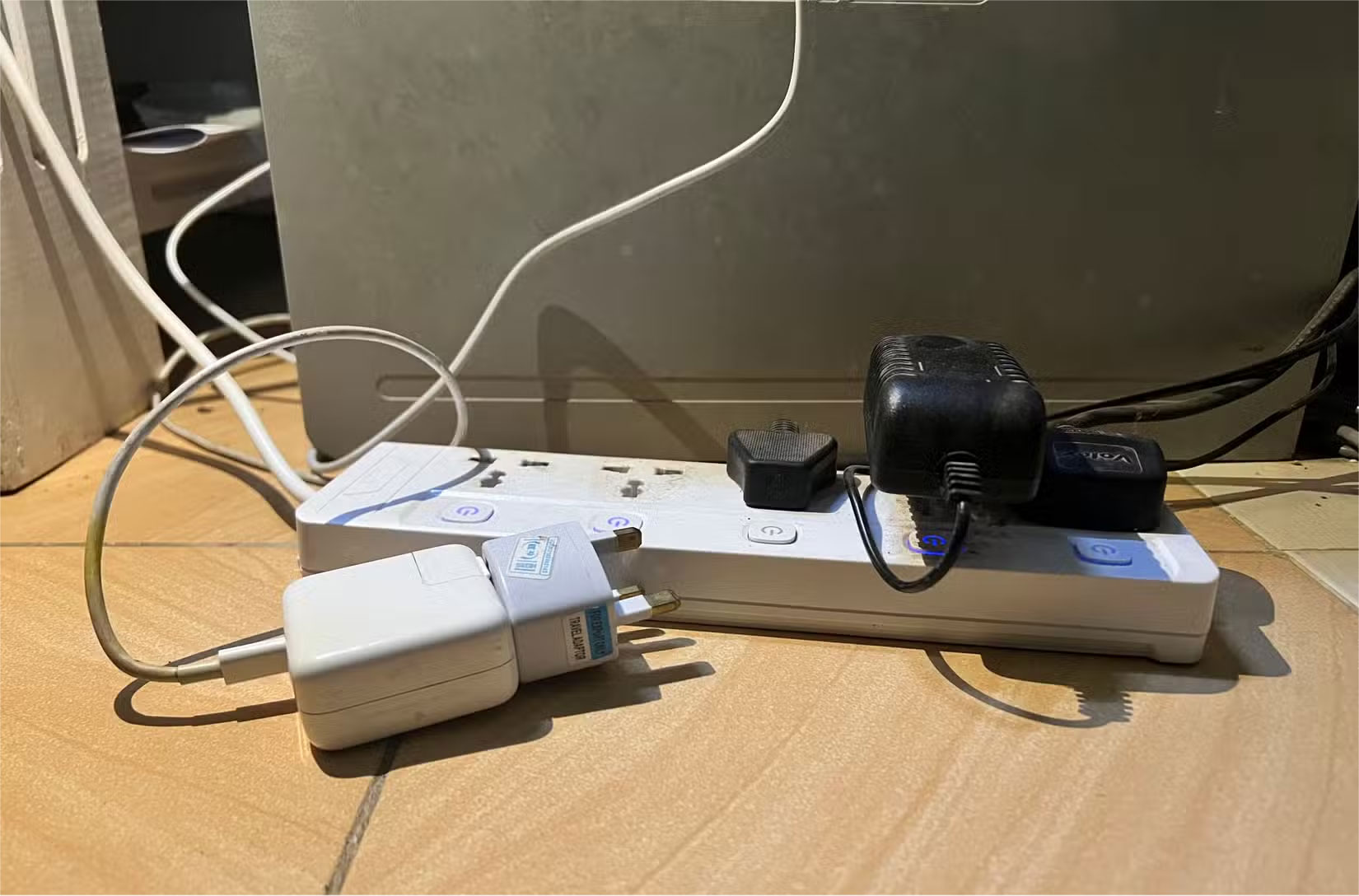
A smart plug can schedule a lamp or switch a compatible appliance remotely. It does not automatically know whether a device should remain on; energy monitoring and idle shutoff are model-specific features. Check the appliance manufacturer's guidance and the plug's electrical rating, especially for high-power loads.
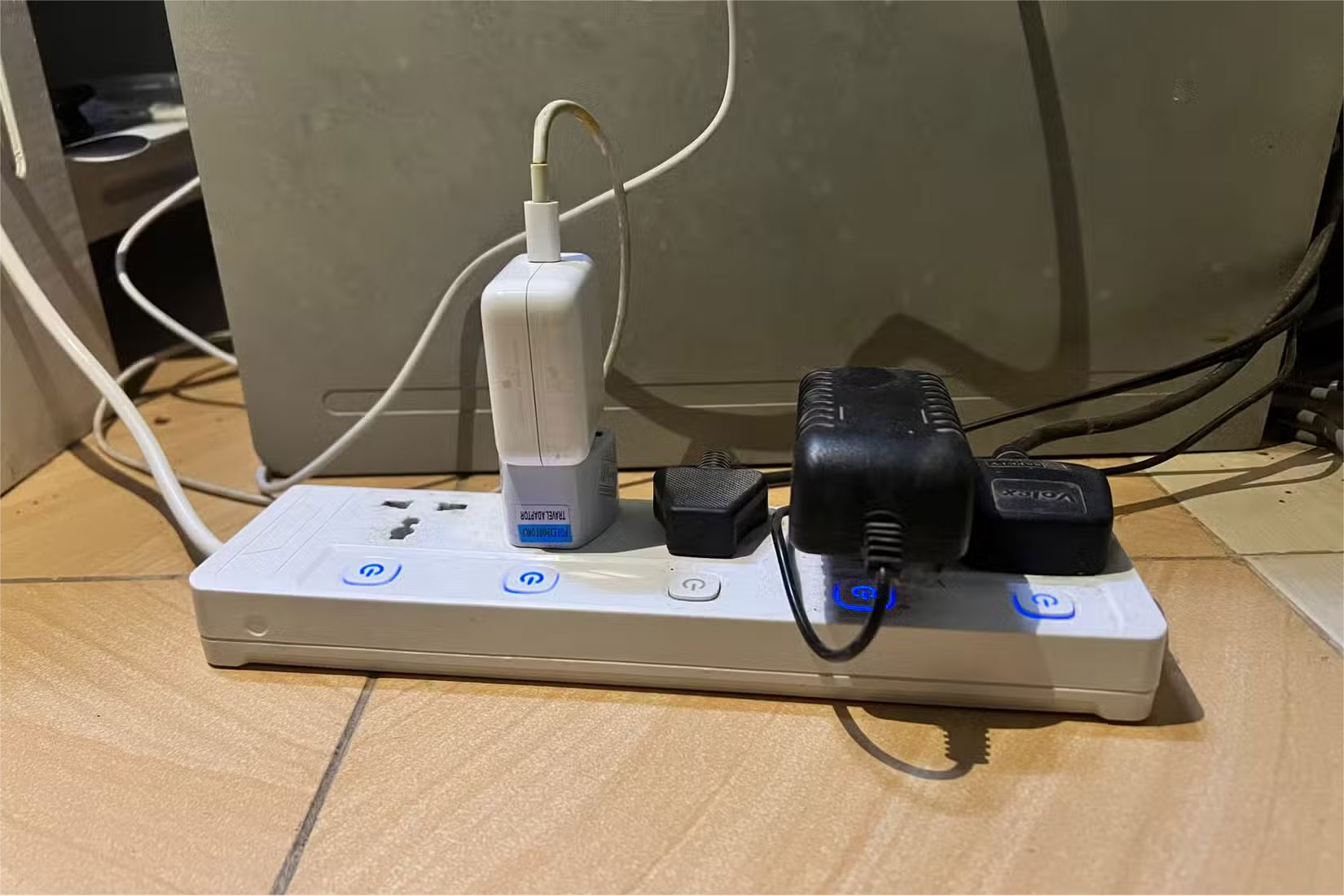
If you already use home automation, a scheduled routine may help. See how Google Assistant routines organize compatible devices, or review the role of smart sockets in a Xiaomi smart home.
5. Air-dry laundry when practical
Use an outdoor line or drying rack when weather and space permit. Indoors, provide ventilation and avoid creating persistent dampness. When using a dryer, follow its load limits and clean the lint filter as instructed.
6. Use washing machines and dishwashers efficiently
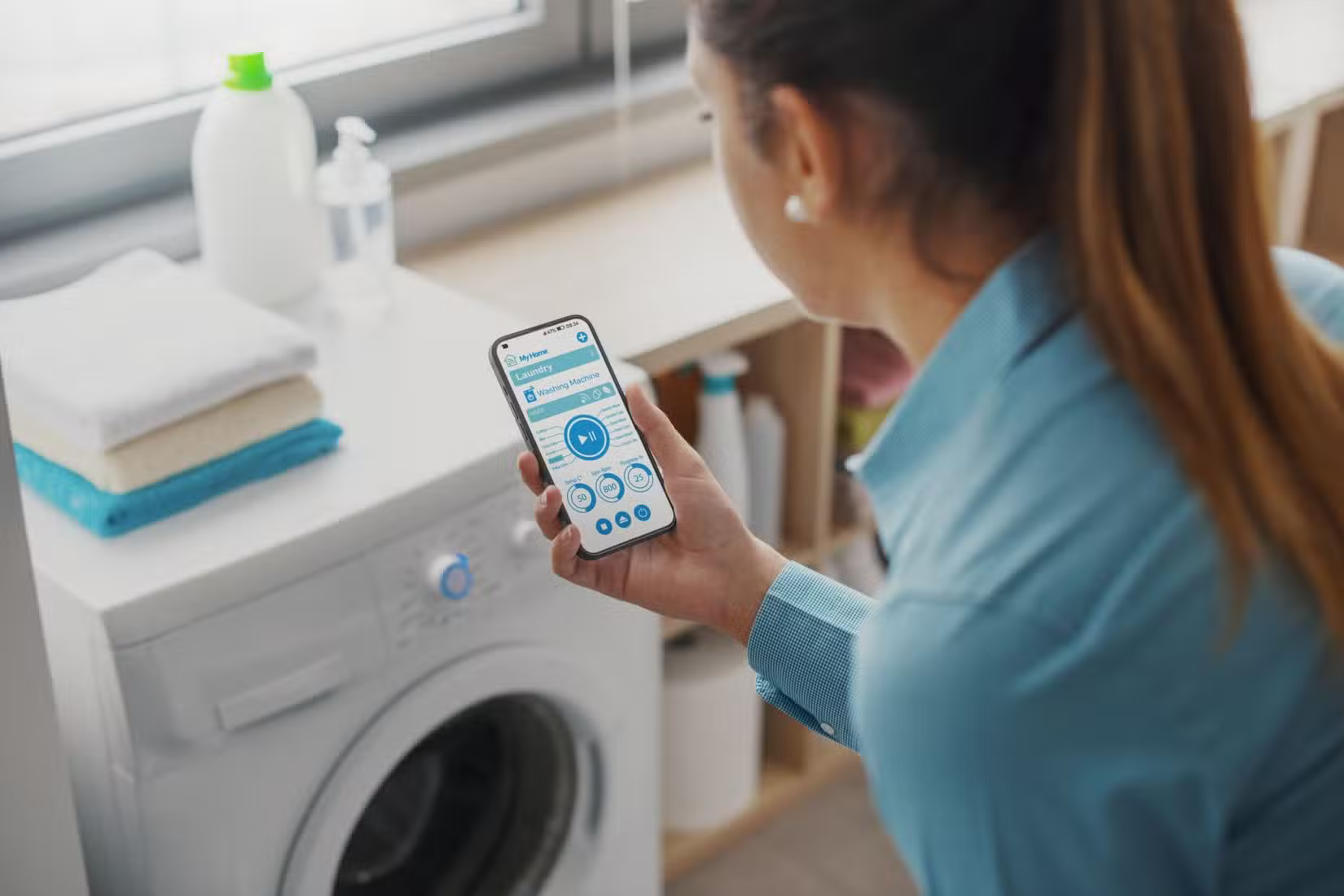
Run sensible full loads without overloading. Choose an appropriate low-temperature or eco program where the fabric, soil level, and hygiene requirements allow it. Avoid repeating cycles because items were packed too tightly or the wrong program was selected.
7. Reduce unwanted heat loss or gain
Drafts and inadequate insulation can increase heating or cooling demand. Check doors and windows for obvious gaps and seek advice for larger insulation work. Do not block required ventilation or combustion-air openings. The Department of Energy's air-sealing guide explains the difference between controlling air leaks and adding insulation.
8. Compare running costs before replacing appliances
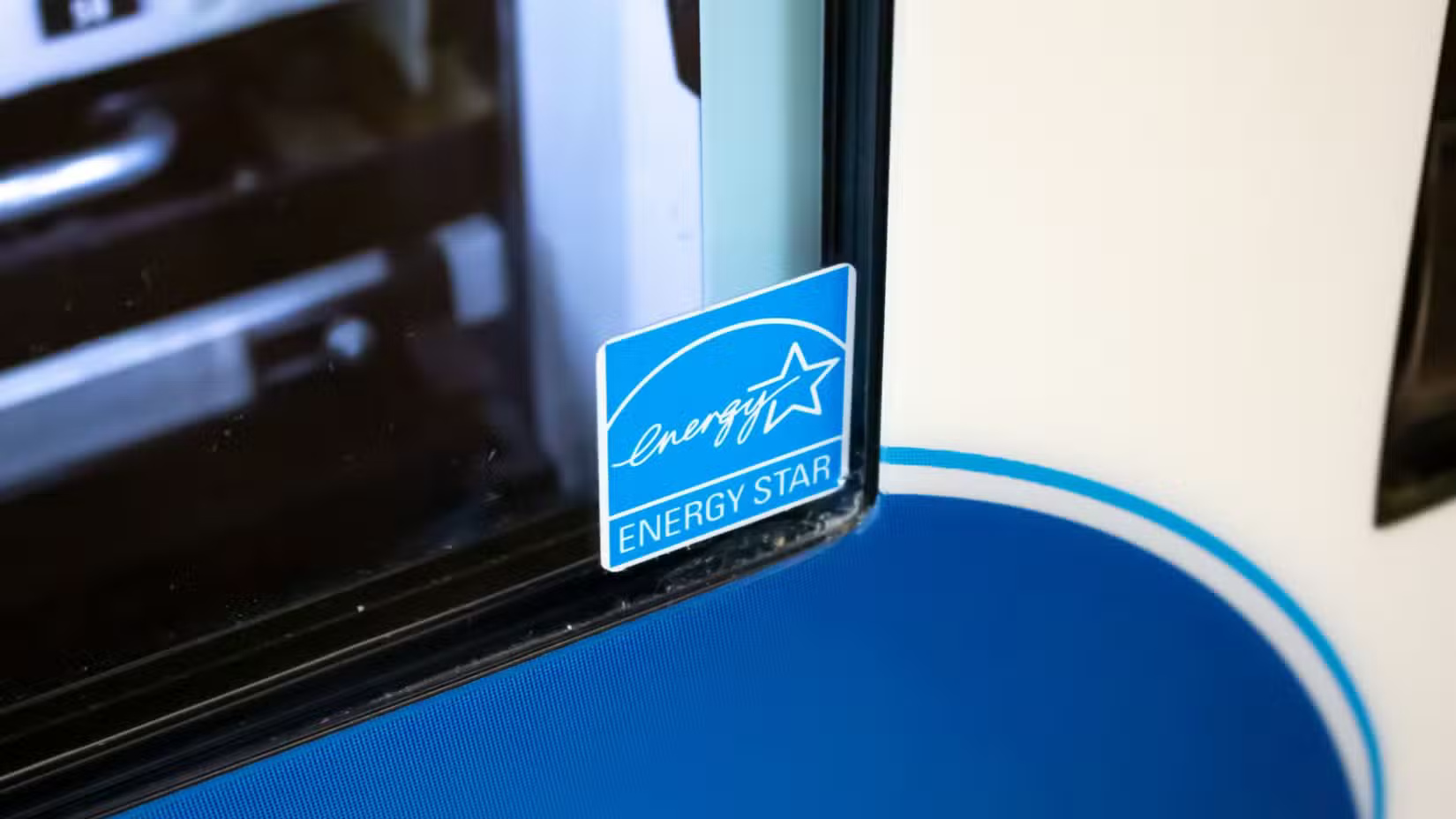
Use the energy label and realistic annual usage to compare replacements. A new appliance is not automatically worth its purchase price just because it is more efficient. Repair costs, installation, useful life, and your tariff all affect the decision.
For a rough estimate, electricity use in kWh equals power in watts multiplied by hours of use, divided by 1,000. Multiply that by your applicable per-kWh rate. For appliances that cycle on and off, measured consumption or an annual energy label is more useful than assuming the rated maximum power runs continuously.
Related Articles
 How does a PC graphics card affect your electricity bill?
 How to Use Your Home Electrical System as a TV or Radio Antenna
 Mysteriously saving electricity with Dry mode on air conditioner
 Instructions for payment of electricity by Momo wallet
 Discover Bill Gates' 7-year mansion, high-tech equipment every corner, cost 178 million USD
 Bill Gates calls the US coronavirus test 'unorganized'
Reader Comments 0
Sign in with email or Google to join the discussion.