Table of Contents
This guide answers "How Japan Turns Footsteps into Electricity?" with a clear explanation, practical context, and the details that matter most.

It's always fascinating to learn about how we harness the forces of nature to create electricity. The power of flowing rivers turns turbines, and windmills capture the wind to generate electricity. But what if the simple act of walking could also generate electricity?
In Japan, this innovative new idea is turning ordinary footsteps into a valuable source of clean energy. Piezoelectricity is the technology behind this unique process, and it has the potential to change the way we think about renewable energy.
What is piezoelectricity?
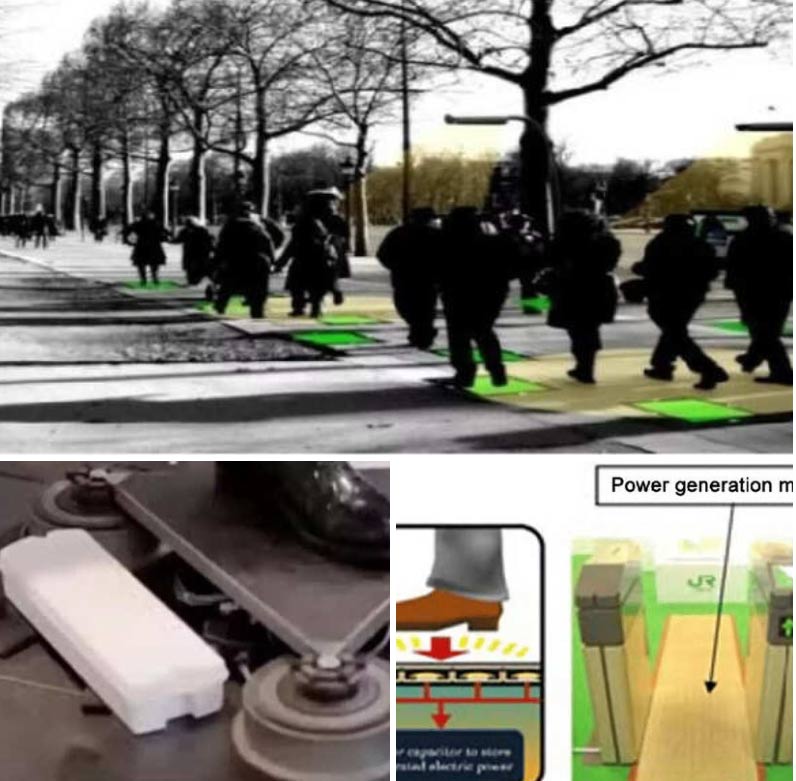
Piezoelectricity is a process in which a material generates an electric charge due to mechanical stress. In Japanese energy innovation, piezoelectric sensors are installed in engineered floors. When someone applies force by stepping on these sensors, mechanical stress is created in the form of pressure, which is then converted into electricity. This current can then power devices and systems.
How is this technology applied in everyday life?
Japan is a pioneer in the use of piezoelectric technology in public areas. The most famous application can be found at Shibuya Station in Tokyo, one of the busiest train stations in the world. Thousands of people pass through here every day. Their footsteps together generate a large amount of electricity, which powers LED screens, information boards, and other energy-saving devices in the station.
Piezoelectric floors are also used in shopping malls and airports, as these are places with a lot of foot traffic, so energy can be continuously collected. These gadgets are integrated into the floor, once installed, will start cutting down on traditional energy sources and can also contribute to a clean environment.
This groundbreaking new technology offers many benefits, but what are the challenges?
The use of piezoelectric technology has benefits such as: it is a renewable and sustainable source of energy, helps reduce carbon emissions and contributes to reducing fossil fuel consumption.
However, the downside is that the amount of electricity generated from each step is quite small, so a large amount of pedestrian traffic is needed to generate the necessary energy. In addition, the cost of installing piezoelectric systems is relatively expensive and the technology is still in its early stages of application.
FAQ
What is piezoelectricity?
Piezoelectricity is a process in which a material generates an electric charge due to mechanical stress. In Japanese energy innovation, piezoelectric sensors are installed in engineered floors. When someone applies force by stepping on these sensors, mechanical stress is created in the form of pressure, which is then converted.
How is this technology applied in everyday life?
Japan is a pioneer in the use of piezoelectric technology in public areas. The most famous application can be found at Shibuya Station in Tokyo, one of the busiest train stations in the world. Thousands of people pass through here every day. Their footsteps together generate a large amount of electricity, which powers LED.
This groundbreaking new technology offers many benefits, but what are the challenges?
The use of piezoelectric technology has benefits such as: it is a renewable and sustainable source of energy, helps reduce carbon emissions and contributes to reducing fossil fuel consumption.
Related Articles
 How Much Electricity Does the Computer, Phone and Electrical4 minutes read
 Instructions for Looking up Electricity Money on the Phone5 minutes read
 A Series of Photographs Faithfully Depicting Japan's Harshest4 minutes read
 Scientists Discover New Species of Flying Lizard in Japan for the5 minutes read
 Google and Microsoft Consume More Electricity Than an Entire3 minutes read
 16 Lessons That Changed Lives After Only One Year Living in Japan11 minutes read
Reader Comments 0
Sign in with email or Google to join the discussion.