Table of Contents
This updated guide examines Click: How to Uninstall Bitdefender Total Security 2013 (Beta) and organizes the essential facts, background, and practical takeaways in clear American English.
Method 1of 4:
Method 1: from Window Start menu
 From the Windows Start menu, you then click the All Programs or the Programs on a Windows XP SP3 computer; and then click on the Bit-defender 2013 BETA entry on list; launch the Repair or Remove option as any administrative accounts on your Windows.
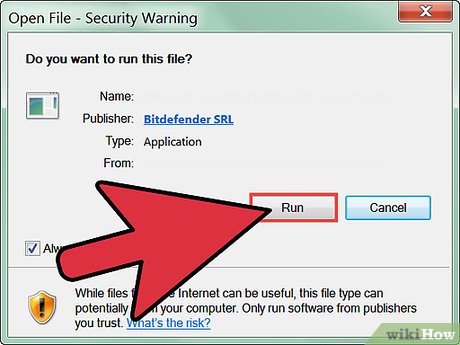 Select the 'Yes' option on User Account Control information window.
 Select the 'Remove' option from the "Repair or uninstall Bit-defender" wizard.
 Please be patient while the uninstall process takes place.
- You could submit your BTS 2013 experience to Bit-defender® by filling out the detailed information on the uninstall survey page; or you might close it directly.
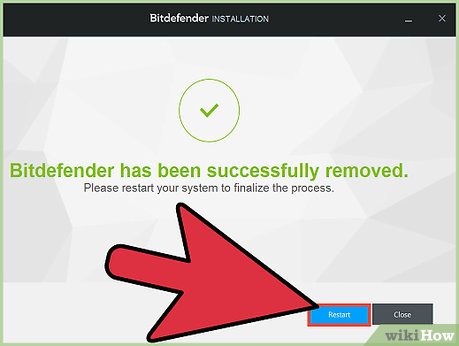 Save all your personal files and then, you restart your computer by clicking theRestartbutton on the final information window from Bit-defender.
Method 2of 4:
Method 2: from Control Panel "Add or Remove programs"
 Click on theStartbutton >> (Settings - for Windows XP SP3) >> Control Panel on the menu >> uninstall a program in Programs section; or the Add or Remove Programs in CPS window.
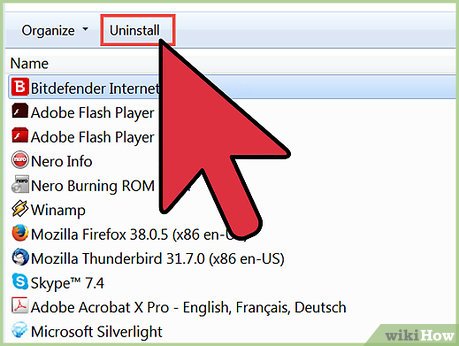 Locate Bit-defender Total Security 2013 BETA (v16.0) on the Currently Installed Programs list, launch it, or also right-click on it, then select the 'Uninstall' option for it.
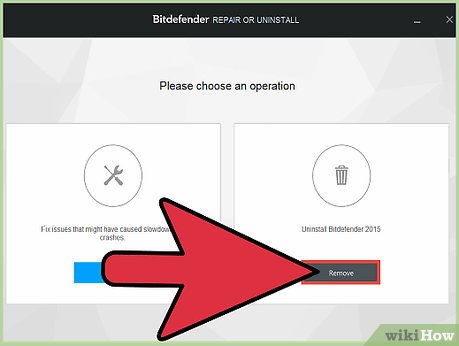 Click theRemovebutton on the uninstall wizard by Bit-defender; you then please repeat or refer to the rest of the steps detailed in the Option 1 above to complete the automatic removal of BTS 2013.
 Save and reboot again
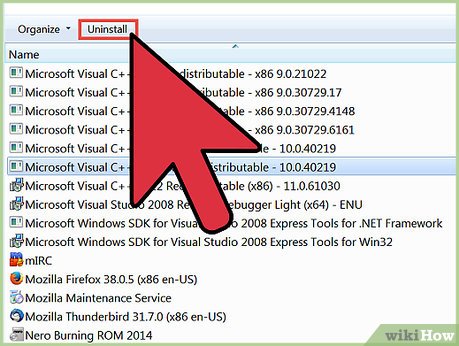 Go to the Programs list and uninstall BTS 2013's required component, Microsoft Visual C++ 2010 x86, from your device.
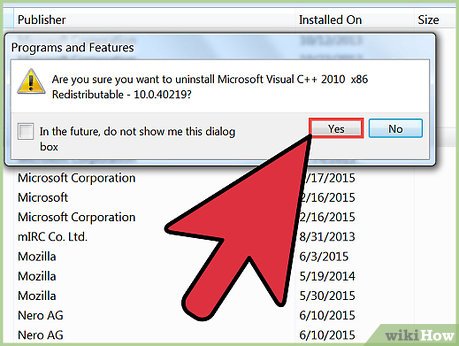 ClickYesbutton on Programs and Features; or on Add or Remove Programs.
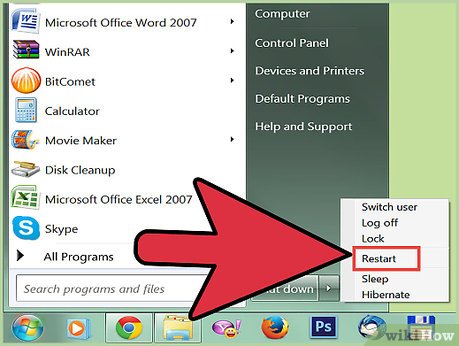 Save and restart your device again.
Method 3of 4:
Method 3: from Remove or Repair Properties
 Right-click on theRemove or Repairapplication created in BTS2013's entry reviewed above. Scroll down your mouse and select the Properties at the bottom of the menu.
 Click on the Open File Location tab on the Remove or Repair Properties; or the "Find Target. .." tab. Click OK or Cancel to shut down the Properties window.
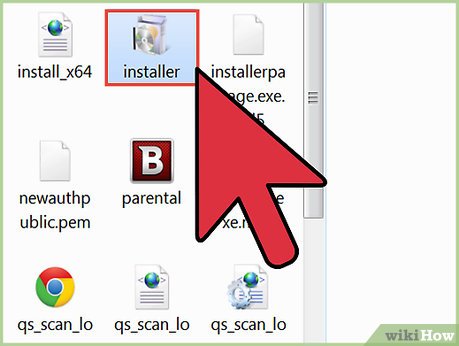 Run the installer application (size, 408KB) in the file folder. Click "Yes" on UAC.
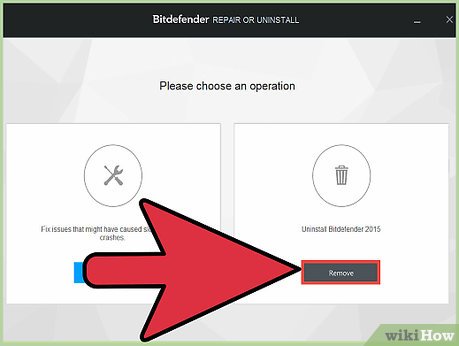 When the automatic removal wizard appears, launch the 'Remove' option on that wizard and follow it to complete the standard removal process of BTS2013. Review the details above for more tips.
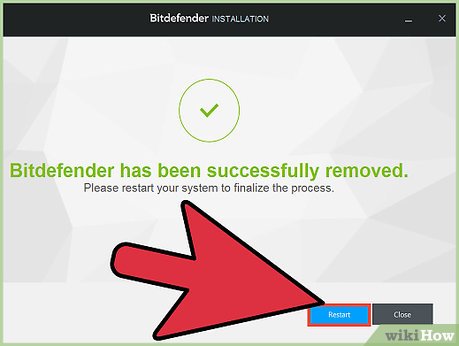 Save and restart your computer.
Method 4of 4:
BTS 2013 Leftovers Troubleshooting
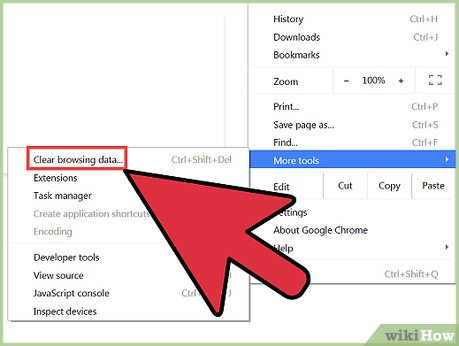 Clean the temporary Internet files and other unnecessary data on your computer. tips by reviewing this wiki How entry and/or this one.
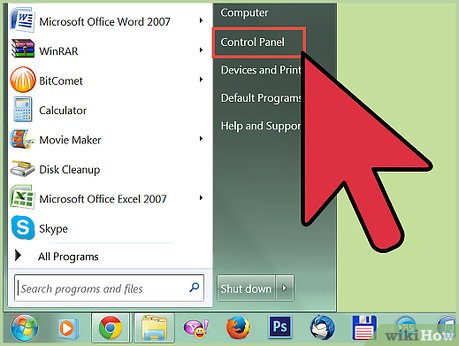 For Windows 7 or Windows Vista users, click Start >> Control Panel >> click the "Backup your computer" entry under the System and Security, follow the wizards to backup your Windows; clickherefor more tech support. And for Windows XP users, please read this tutorial for more tech details.
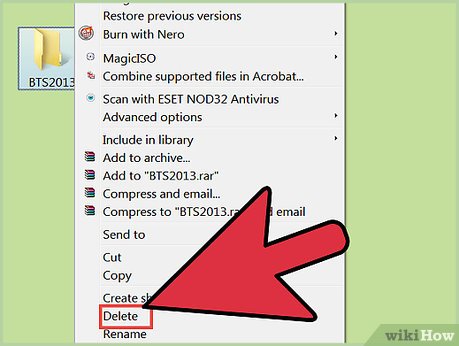 Manually search and then delete leftover files associated with BTS2013 program; furthermore, you may need to remove them in Windows Safe Mode.
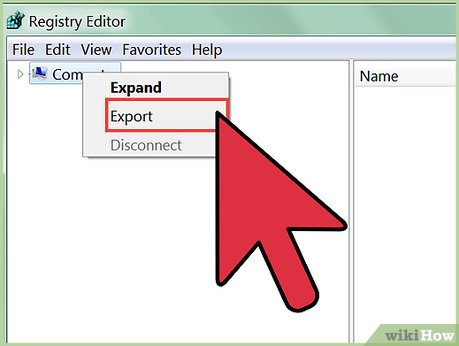 Right-click on theComputeritem in Registry Editor; and then you run theExportoption for it to backup the registry files. Save them on a Non-system drive.
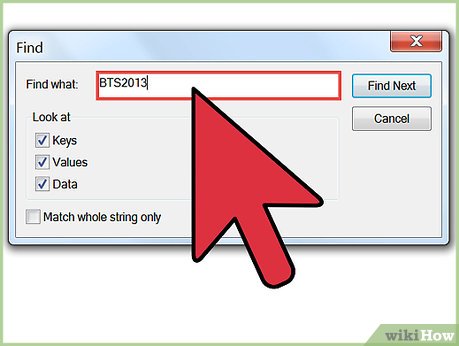 Manually find and then delete BTS 2013's registry keys left in it.
FAQ
What is Click: How to Uninstall Bitdefender Total Security 2013 (Beta) about?
It provides a structured overview of click, explains the main context, and highlights practical takeaways for readers.
Why does this topic matter?
Understanding the main concepts helps readers evaluate the issue, avoid common mistakes, and make better-informed decisions.
How should readers use this information?
Use the guidance as a practical starting point, confirm details that may have changed, and follow current product, safety, or security recommendations.
Related Articles
 How to Uninstall Bitdefender Total Security 20123 minutes read
 Steps to Uninstall Bitdefender on Windows4 minutes read
 How to Activate Bitdefender Total Security 2018 License for 63 minutes read
 Try Bitdefender Total Security 2012 for 90 Days4 minutes read
 How to Uninstall Bitdefender Safepay3 minutes read
 Free 6 Month License for Bitdefender Internet Security 20194 minutes read
Reader Comments 0
Sign in with email or Google to join the discussion.