Table of Contents
This updated guide examines How to Create Dc Accounts in Windows Server 2012 and organizes the essential facts, background, and practical takeaways in clear American English.
To create an OU user, follow the steps below.
Step 1 - Go to Server Manager → Tools → Active Directory Users and Computers.

Step 2 - To create an OU named Management . Right-click the domain in Active Directory Users and Computers , select New and click on the Organizational Unit .

Step 3 - Type Management to name the OU. Select Protect container from accidental deletion option . This option will protect this object from being accidentally deleted.

Step 4 - To create a user, right-click Management OU → click New → and then click User .

Step 5 - Enter user data in the fields → then click Next .

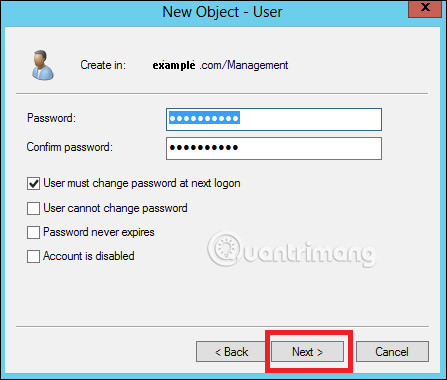
Step 6 - Now enter the password. Check the tick box → Users must change the password the next time they log in. The user will be forced to change the password when logging in → Click Next → and then click Finish .
:
- Instructions on how to use PowerShell in Windows Server 2012
- Remote management on Windows Server 2012 with Remote Management Service
- Install Role, configure role on Windows Server 2012
FAQ
What is How to Create Dc Accounts in Windows Server 2012 about?
It provides a structured overview of Windows Server 2012, explains the main context, and highlights practical takeaways for readers.
Why does this topic matter?
Understanding the main concepts helps readers evaluate the issue, avoid common mistakes, and make better-informed decisions.
How should readers use this information?
Use the guidance as a practical starting point, confirm details that may have changed, and follow current product, safety, or security recommendations.
Related Articles
 Find Out About Managed Group Services Accounts in Windows Server3 minutes read
 Create VPN Server on Windows 8: A Practical Guide6 minutes read
 Instructions for Setting Up and Managing FTP Server on Windows 109 minutes read
 Install Windows Server 2003 and Create a Backup Server1 minutes read
 How to Create a VPN Server on Windows Without Using Software?4 minutes read
 How to Create Users in MS SQL Server3 minutes read
Reader Comments 0
Sign in with email or Google to join the discussion.