Table of Contents
This guide provides a clear, practical overview of "HOT: Google Will Merge Chrome OS and Android into a Single Platform". It organizes the most useful details, explains important considerations, and highlights the steps or choices that matter most.
In a recent interview, Google's Android ecosystem chief Sameer Samat bluntly confirmed that the company is "merging Chrome OS and Android into a single platform." This is consistent with months of rumors and fits with Android 16's desktop-friendly features like windowing and external displays. However, Samat later clarified on X that this is not a complete merger (not eliminating Chrome OS), but rather deeply integrating Android technology into Chrome OS to increase app compatibility and hardware performance.
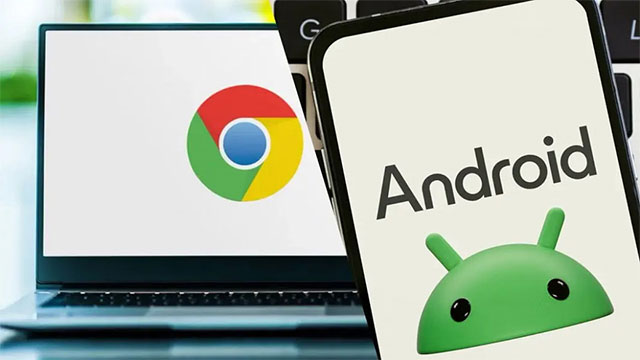
Chrome OS has long borrowed heavily from Android, starting with the integration of the Google Play Store in 2016, allowing Chromebooks to run millions of apps. Signs of consolidation have been apparent for years, with Android apps increasingly appearing on Chrome OS. Now, with the rise of AI and the rise of foldables, a unified operating system could turn Chromebooks into hybrid beasts: lightweight for web browsing, powerful for productivity. The move could also bolster the Pixel line, turning tablets into laptop rivals. Despite concerns about bloat and higher hardware requirements, the tech world sees this as Google's smartest move in years.
Key details:
- Roadmap: No specific timeline yet, but desktop improvements on Android 16 suggest progress will be evident by 2026.
- Core changes: Expect enhanced multitasking, better mouse/keyboard support, and seamless app scaling between phone, tablet, and laptop.
- The impact: Chromebooks can be updated as long as Android devices, but older devices will struggle to keep up. Google is looking at modern laptop usage patterns to make tweaks—like better interfaces for touchscreens without sacrificing desktop power.
- Competitors: Google goes head-to-head with Microsoft's Windows on ARM and Apple's M-series chips, aiming for power-efficient computers with a rich app store.
Google has been tight-lipped about this, but hints are starting to emerge in betas of upcoming Android updates. If done well, this could redefine the budget PC market. Stay tuned for the first unified devices—it's a bold step toward a truly connected Google ecosystem.
FAQ
What does this guide cover?
This guide explains hot: Google will merge Chrome os and Android into a single platform, including the main steps, important details, and practical considerations.
Who is this guide for?
It is designed for readers who want a clear, practical overview and a reliable process they can follow without unnecessary complexity.
What should you check before getting started?
Review the requirements, confirm that your software or device is up to date, and save any important data before changing settings.
Related Articles
 Will Project Hera Merge Android, Chrome and Google Search?4 minutes read
 Google Introduces New, More Convenient Page Zoom Feature on3 minutes read
 How to Merge PDF Files, Merge and Join Multiple PDF Files Into19 minutes read
 Tips to Help Use Chrome on Android Effectively May Not Know You13 minutes read
 Asus Sold the Chrome OS Netbook in June, Priced at $$ 2005 minutes read
 Google Announced Android One Platform in India4 minutes read
Reader Comments 0
Sign in with email or Google to join the discussion.