Table of Contents
Yogurt isn't the only food rich in probiotics. You can replace yogurt with more probiotic-rich foods in your daily diet.
Yogurt isn't the only food rich in probiotics. You can replace yogurt with more probiotic-rich foods in your daily diet.

The gut microbiome—a population of more than a trillion microorganisms in the colon—is central to human health, contributing to enhanced immunity, improved brain health, digestion, and chronic disease prevention.
In terms of lifestyle, there are many ways to support the health of your gut microbiome, including prioritizing anti-inflammatory and fiber-rich foods. However, a core principle of boosting gut microbiome vitality is to supplement probiotics in the form of foods or supplements.
This has made probiotic supplements one of the most popular products on the market today. However, you can still get plenty of these good bacteria through your diet alone. When it comes to the most widely consumed probiotic-rich foods, yogurt ranks high because it is delicious and versatile in both sweet and savory recipes. However, yogurt is not the only option for increasing your probiotic intake. Here are some foods that contain equal or even higher amounts of probiotics per serving of yogurt.
Kimchi
Probiotic content: 10 million to 10 billion CFU per gram
Korean fermented vegetables, also known as kimchi, can be a delicious and versatile probiotic-rich addition to your diet. Just a small amount is packed with beneficial gut bacteria and tastes delicious. Plus, it has many other health benefits.
Kimchi contains probiotics along with antioxidants and other nutrients like vitamins C and A, and it's been noted that this mildly sour "spice" can support the immune system, eye health, and gut health. Its strong flavor also pairs well with a variety of dishes.
Kombucha
Probiotic content: 1 to 10 million CFU per milliliter
Although sometimes high in added sugar, kombucha can be a great source of probiotics. Kombucha has healthy bacteria, but the bacteria can vary depending on how it is stored and processed. However, low-sugar kombucha that is well refrigerated can be a great way to add more beneficial bacteria to your daily routine—as well as the anti-inflammatory antioxidants and plant compounds from the brewed tea. Kombucha is a delicious drink to boost energy on its own, or when made into a mocktail with citrus, herbs, and 100% fruit juice.
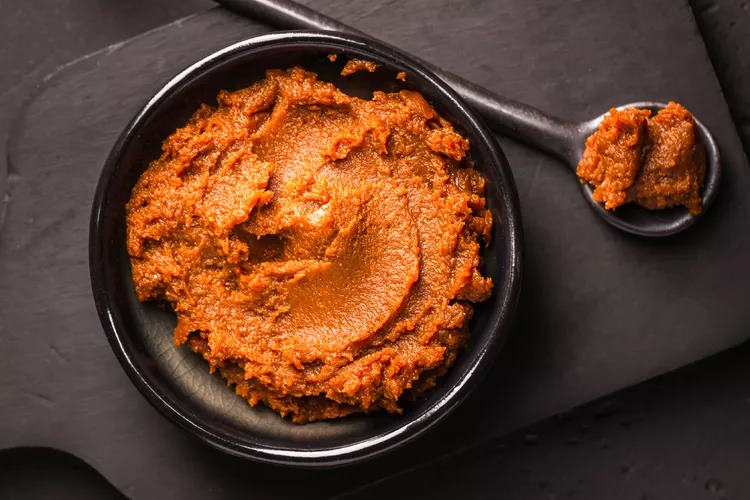
Miso paste
Probiotic content: 1 to 10 million CFU per gram
Miso is a fermented paste, typically made from soybeans, used in Japanese cooking. Due to the fermentation process, it is rich in digestive-friendly bacteria, rich in flavor, and a source of minerals like manganese and zinc. In practice, miso can support bone, dental, and immune health.
A small amount goes a long way, which is a plus when it comes to miso. Miso is quite salty—so if you're watching your salt intake, be careful how much you use in your food. This rich paste can be used for marinades, sauces, and dips.
Fresh Cottage Cheese
Probiotic content: Up to 100 million CFU per gram
While not all cottage cheese is considered a probiotic-rich food, cultured cheeses labeled 'live cultures' can provide significant amounts of probiotics—along with a variety of other nutrients.
Cottage cheese provides about 12 grams of protein per half cup. It is also a good source of calcium, phosphorus, and B vitamins, which support bone health and promote energy metabolism in the body.

Kefir
Probiotic content: 10 to 100 million CFU per milliliter14
Kefir is a sour drink made from fermented kefir grains, slightly thicker than milk but not as thick as yogurt. This inexpensive probiotic-rich drink has been studied extensively for its long list of beneficial bacteria that promote gut health. It also has the potential to lower cholesterol and has anti-inflammatory properties. As a dairy product, kefir also offers many of the same nutrients as cottage cheese to support bone health and metabolism. The fermentation process can reduce the amount of lactose, making it easier for some people to digest.
FAQ
What should you know about foods with more probiotics than yogurt?
In practical terms, yogurt isn't the only food rich in probiotics. You can replace yogurt with more probiotic-rich foods in your daily diet.
Why does foods with more probiotics than yogurt matter?
The article highlights that however, a core principle of boosting gut microbiome vitality is to supplement probiotics in the form of foods or supplements.
What is the main takeaway?
The main takeaway is that when it comes to the most widely consumed probiotic-rich foods, yogurt ranks high because it is delicious and versatile in both sweet and savory recipes.
Related Articles
 You May Not Know: Fermented Foods Contain Bacteria Prebiotics4 minutes read
 3 Times Gold Should Eat Yogurt Is Better Than Taking Supplements5 minutes read
 Top 5 Best Yogurt Making Machines for Families5 minutes read
 The Best Probiotics for Gut Health: Best Probiotic for Gut Health4 minutes read
 Snacks with More Calcium Than a Yogurt5 minutes read
 What Happens to the Body When You Eat Yogurt Every Day?6 minutes read
Reader Comments 0
Sign in with email or Google to join the discussion.