Table of Contents
This guide organizes the entries in "The Best Ways to Avoid Getting Sick When Flying During the Pandemic" and explains what each option, idea, or example offers. It also highlights practical details that matter when comparing the choices.

What makes you sick on a plane?
First of all, when you fly, you're stuck in a confined space with a lot of people. It's well known that respiratory droplets from coughs or sneezes are one of the most common ways diseases like the flu or COVID-19 are spread, and with so many people in such a confined space, you may find yourself more exposed to them.
Furthermore, the airplane environment is a haven for disease-causing bacteria and viruses. The air inside an airplane cabin is notoriously dry, with humidity levels often falling below 20%, which is significantly lower than what your body is used to. For comparison, most homes maintain a humidity level of 30 to 60%. Low humidity can affect the body's natural defenses, including drying out mucus in the nose and throat, creating an environment that is much more susceptible to bacteria.
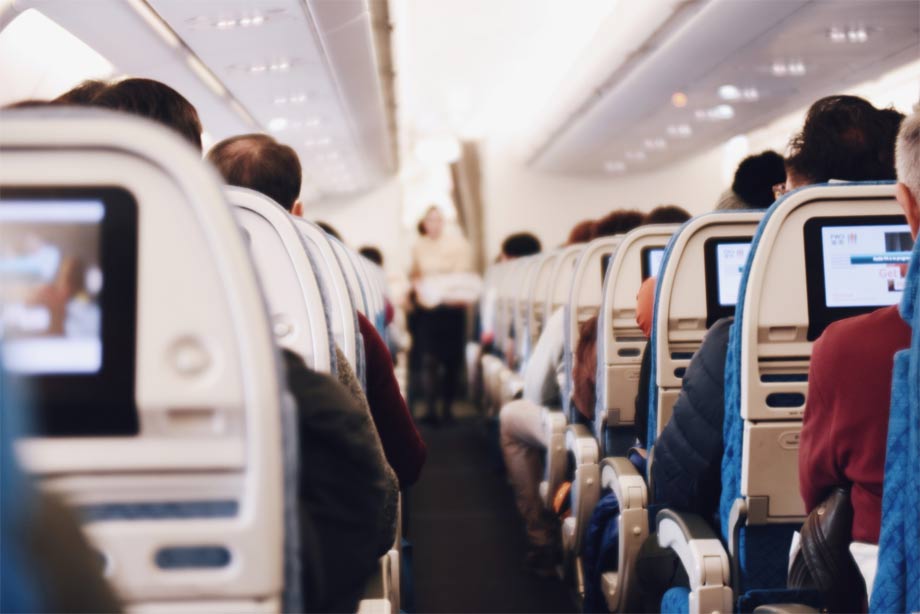
What can you do to prevent infection on an airplane?
Choose a window seat at the back of the plane.
Middle or aisle seats will expose you to more other passengers than window seats. Of course, choosing these seats isn't a guaranteed way to avoid germs, as research shows it all depends on how close you are to the infected person, but many experts agree that window seats—especially those in the back of the plane—are generally the safest. The last few rows of the cabin help prevent you from being inhaled or coughed on from behind.
Use the airport restroom before boarding the plane.
This is to minimize the chance of you having to go to the bathroom on the plane. You can't control the germs that were there before you got in, and they aren't cleaned mid-flight.
Please clean your seating area.
Infections on flights can be transmitted not only through aerosols that are airborne and can be inhaled, but also through large droplets that land on surfaces or through direct contact with secretions, body fluids or contaminated surfaces. Furthermore, germs can survive for hours or days after a passenger has brought them on board and left the plane. Disinfectant wipes (not baby wipes) should be used on tray tables, armrests and seatbelt buckles before use.
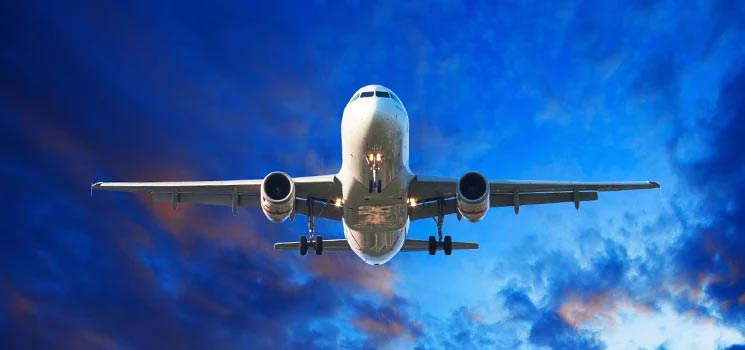
Always carry hand sanitizer
It's always wise to wash your hands before eating on a plane. Also, if you touch any public surfaces (like overhead bin handles), apply hand sanitizer and avoid touching your eyes, mouth, or nose afterward. These are some of the culprits that can increase your risk of getting sick while flying.
Drinking water
While it may be tempting, you should skip caffeine or alcohol, as they can dehydrate you in the dry air on a plane.
Wear a mask
Yes, most planes have air filtration systems, but research shows that masks are still effective in slowing the spread of airborne diseases, especially on long flights. They are especially helpful if you are immunocompromised. Masks can help protect you from airborne germs, especially if someone nearby is coughing or sneezing. If you see someone coughing or sneezing, try to move away or ask for another seat if available.
FAQ
What makes you sick on a plane?
First of all, when you fly, you're stuck in a confined space with a lot of people. It's well known that respiratory droplets from coughs or sneezes are one of the most common ways diseases like the flu or COVID-19 are spread, and with so many people in such a confined space, you may find yourself more exposed to them.
What should you know about choose a window seat at the back of the plane?
Middle or aisle seats will expose you to more other passengers than window seats. Of course, choosing these seats isn't a guaranteed way to avoid germs, as research shows it all depends on how close you are to the infected person, but many experts agree that window seats—especially those in the back of the plane—are generally.
What should you know about use the airport restroom before boarding the plane?
This is to minimize the chance of you having to go to the bathroom on the plane. You can't control the germs that were there before you got in, and they aren't cleaned mid-flight.
What should you know about please clean your seating area?
Infections on flights can be transmitted not only through aerosols that are airborne and can be inhaled, but also through large droplets that land on surfaces or through direct contact with secretions, body fluids or contaminated surfaces. Furthermore, germs can survive for hours or days after a passenger has brought them on.
Related Articles
 Foods and Drinks to Avoid When Sick: Explained5 minutes read
 8 Best Things You Should Avoid Using When Flying6 minutes read
 Causes, Ways to Prevent and Cure Tinnitus When Flying4 minutes read
 How to Ask About the Patient: Step-by-Step Guide7 minutes read
 Wingless Animals That Can Fly Like Birds6 minutes read
 How to Take Care of Yourself When You Are Sick6 minutes read
Reader Comments 0
Sign in with email or Google to join the discussion.