Table of Contents
A balanced diet with limited added sugar supports oral health, but no food guarantees white teeth or treats gum disease. Cheese, vegetables, and whole grains can fit into a tooth-friendly eating pattern. They work alongside—not instead of—brushing with fluoride toothpaste, cleaning between teeth, and appropriate dental care.
Cheese and other suitable calcium sources

Cheese provides calcium and can be a snack alternative to sugary foods. If dairy does not suit you, look at unsweetened calcium-fortified alternatives and other foods that fit your dietary needs. Do not assume every plant-based drink contains the same calcium; check its label.
You do not need to eat cheese after every meal or treat it as a way to repair a cavity. The overall diet and oral-care routine matter more than one food.
Sugar-free gum: an optional addition
The American Dental Association’s gum guidance says chewing sugar-free gum after meals increases saliva flow, helping clear debris and reduce the effects of acids. It discusses evidence for about 20 minutes of chewing after a meal and recommends looking for the ADA Seal of Acceptance.
Gum is optional, not a substitute for brushing or interdental cleaning. If chewing causes jaw discomfort or is unsuitable for you, do not force it; ask your dentist about alternatives.
Leafy greens and carrots
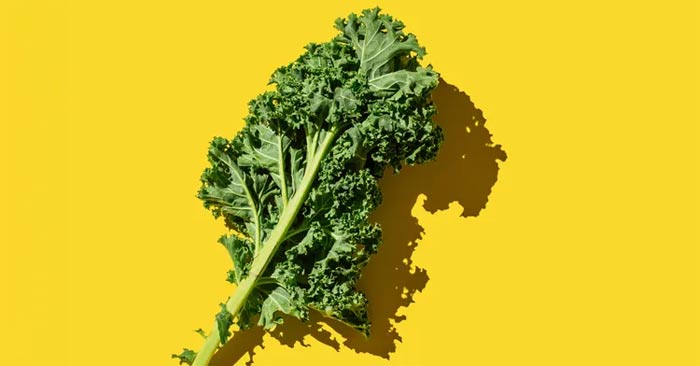
Vegetables contribute to a varied, nutritious diet. Choose a texture you can comfortably chew, including cooked options when raw carrots are difficult.
Crunchy vegetables are not a “natural toothbrush.” They do not reliably remove plaque from the gumline or between teeth, and eating them does not replace cleaning those areas.
Oatmeal and whole grains
Plain oatmeal can be part of a balanced meal. Check sweetened packets and toppings, since honey, syrup, and added sugar change the meal’s sugar content. Pairing it with suitable unsweetened foods may be more useful than treating oats as a special gum-health remedy.

Ginger is a flavoring, not a dental treatment
Use ginger in food if you enjoy it, but do not rely on it to neutralize the cause of bad breath or treat inflammation. Ginger ale may contain sugar and acid; the presence of ginger does not make a drink tooth-protective.
Eating habits matter too
The ADA’s diet and dental health guide emphasizes limiting added sugars, choosing varied nutritious foods, and avoiding frequent snacking throughout the day. Water is a practical alternative to repeatedly sipping sugary or acidic drinks.
Brush twice daily with fluoride toothpaste and clean between teeth daily. If you have bleeding gums, persistent bad breath, tooth pain, or difficulty chewing, arrange dental advice rather than trying to solve it by adding a particular food. A dentist can tailor recommendations to your teeth, gums, and overall needs.
Related Articles
 The dentist instructs how to brush teeth properly
 10 very good foods for the liver that you should not ignore
 Mediterranean Diet and Gum Health: What a 200-Patient Study Found
 Check out 10 types of special foods that are harmful to teeth
 Should You Floss Before or After Brushing Your Teeth?
 Beautiful white teeth without using chemicals
Reader Comments 0
Sign in with email or Google to join the discussion.