Table of Contents
Dota Auto Chess rewards flexible decisions more than a single fixed build. A strong player balances three resources at once: gold, bench space and remaining health. The goal is to build enough strength for the current round without spending so aggressively that the team has no path to improve later.
This guide covers the original Dota Auto Chess custom game. Unit pools, items and economy details can change between patches, and later auto battlers may use different rules. If you are choosing a composition, compare these principles with the Dota Auto Chess lineup overview. Players looking for related games can also see these mobile auto-battler alternatives.
1. Use the bench as short-term flexibility
Buying inexpensive pairs early gives you several upgrade routes, especially when those units can be sold without a large loss. Do not keep every possible pair indefinitely, however. Bench slots have value, and a crowded bench can prevent you from buying a more important unit later.

Before the shop refreshes, decide which units support your likely composition and which are only temporary. Sell the weakest options first when you need to protect an economy threshold or create space.
2. Avoid risky overflow unless you can finish the upgrades
During preparation, experienced players may temporarily move bench units onto the board to create shopping space. This can help complete several pairs during a fast roll-down, but it also creates a strict time limit. Use the technique only when you know which pieces you need and can restore a legal formation before combat.
If the timer is short, prioritize the upgrade that immediately improves the active board. A failed attempt can leave valuable units misplaced or force unnecessary sales.
3. Scout opponents before changing your board
Check other boards to answer three questions:
- Are several players buying the same key units?
- Which opponents rely on assassins or other backline threats?
- What formation are the remaining late-game opponents using?
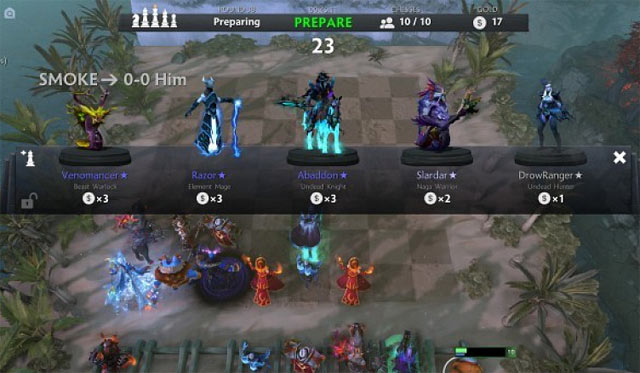
A heavily contested unit is harder to upgrade because copies come from a shared pool. When multiple opponents block your plan, consider a compatible alternative rather than spending all of your gold on low-probability rerolls.
4. Position for a purpose
Put durable units where they can absorb the opening attacks, and protect fragile damage dealers behind them. A corner formation can shield ranged units, but it may also expose the team to area damage. Spread out when one enemy ability can punish a tight group.
Against assassins, keep a durable unit or expendable piece near the backline so your main damage dealer is not the first target. When only a few opponents remain, adjust the formation for those specific boards instead of using the same layout every round.
5. Treat health as a resource, not a license to lose
An early losing streak can provide predictable income, but deliberately losing is useful only when it leads to a stronger economy and a clear recovery point. Count the likely damage from the next rounds and decide in advance when you will level or reroll.
Do not continue a loss streak automatically after your health becomes vulnerable. A controlled strategy becomes a mistake when one bad matchup can eliminate you before the planned recovery.
6. Protect your economy until spending changes the outcome
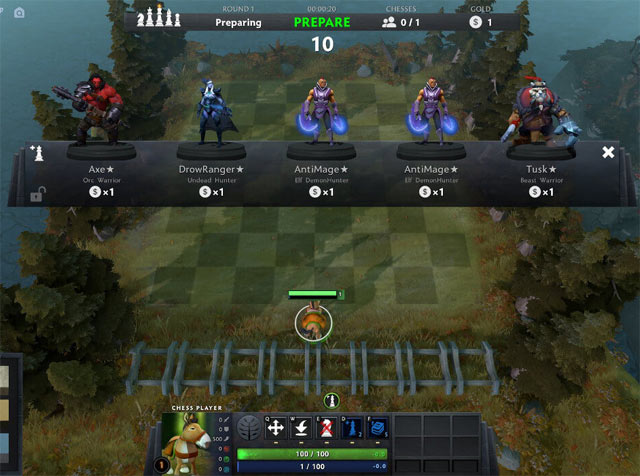
Saving gold creates stronger future turns, but unused gold does not protect your health. Spend when leveling adds an important unit, when a few rerolls are likely to complete multiple upgrades, or when the current board is losing too much health each round.
A useful check before spending is: “What result would make this purchase worthwhile?” If there is no specific unit, level breakpoint or synergy you are trying to reach, keep the gold.
7. Reroll with a target list

Do not reroll simply because the current shop looks weak. Write a mental target list: the upgrade pairs you already hold, the units that complete a synergy and any replacement that improves the active board immediately.
Roll earlier when you are close to several meaningful upgrades or must stabilize. Roll later when the board is healthy, the desired units are better found at a higher level, or the same pieces are heavily contested.
8. Limit expensive three-star projects
A three-star unit can be powerful, but keeping many copies consumes gold and bench space. Focus on one or two realistic candidates that remain useful in the final composition. Abandon a project when copies stop appearing, opponents contest the unit or the bench prevents more important upgrades.
9. Make the preparation timer predictable
- Combine obvious upgrades and place the active formation.
- Buy essential units from the current shop.
- Scout the most likely opponents.
- Adjust positioning for their threats.
- Use the remaining time for optional rerolls or bench cleanup.
A repeatable order prevents last-second mistakes. The best strategy is not the one with the most complicated actions; it is the one that leaves a legal, coherent board when combat starts.
Related Articles
 Dota Auto Chess: Synthesize Assassins to Be Strengthened in This Update4 minutes read
 How to Install Vietnamese Dota Auto Chess4 minutes read
 Dota Auto Chess: Rank the up Line Combo Currently the Most Meta6 minutes read
 How to Installing and Playing Dota Auto Chess for Newbies7 minutes read
 Dota Auto Chess: How to Build Teams According to Each Stage of the Most Effective7 minutes read
 5 Mistakes to Avoid When Playing Dota Auto Chess If You Want to Win TOP 17 minutes read
Reader Comments 0
Sign in with email or Google to join the discussion.