Table of Contents
Positioning determines which units take the first attacks, how quickly abilities charge and whether fragile damage dealers survive long enough to influence the round. A weaker collection of units can beat a more expensive board when its frontline, backline and target order work together.
This guide covers formation principles for the original Dota Auto Chess custom game. Targeting and unit behavior can change between versions, so use the combat result to refine each setup. For economy and reroll decisions, see the broader Dota Auto Chess strategy guide. If you are still choosing a composition, compare the main Dota Auto Chess lineup types.
Early game: start with a simple frontline
Straight-line formation
A line across the front or middle of the board is a practical opening when most of your units are melee fighters. It helps several units engage quickly and reduces the chance that one piece absorbs every attack alone.
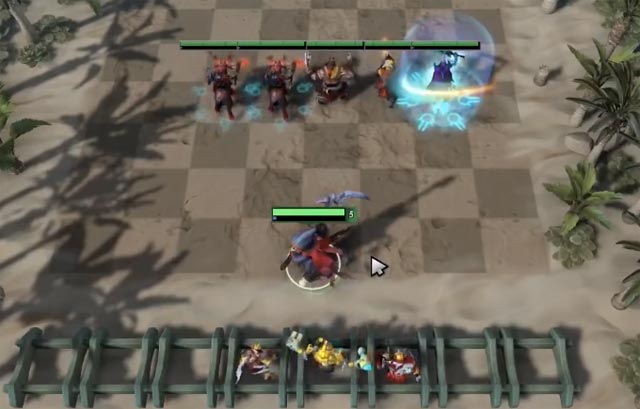
Place upgraded or naturally durable units where they can take the opening hits. Fragile one-star units should begin behind them unless a specific ability requires early damage to generate mana.
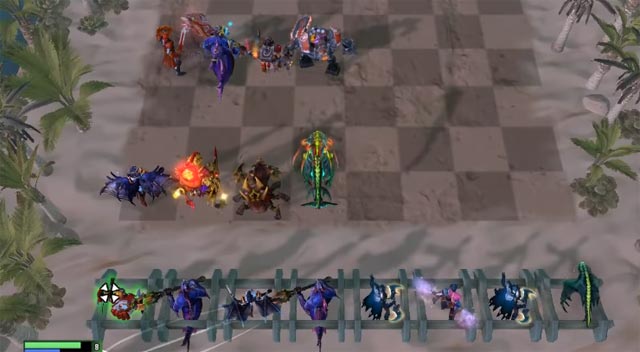
Assassins are an exception: keeping them toward the rear usually preserves their jump behavior and prevents them from walking into the enemy frontline. Watch one combat to confirm that they reach the intended backline targets.
Corner formation
A corner setup protects ranged carries by surrounding them with tougher units. It works well when the team has a reliable frontline and damage dealers that can attack from distance.
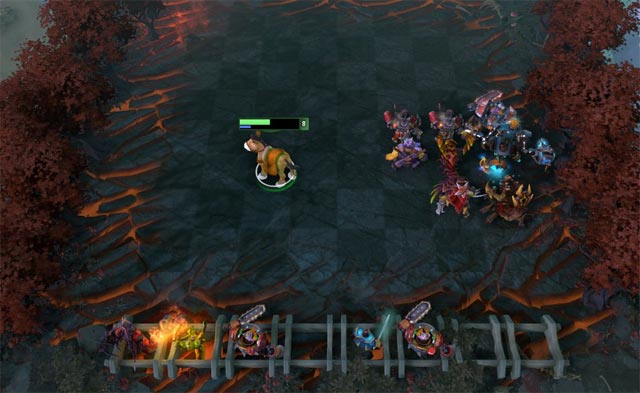
Do not leave an open tile that gives an enemy assassin a direct route to the main carry. Put the most durable protector on the exposed edge, with the key ranged unit deeper inside the group.
Mid game: position around abilities, not just durability
By the middle rounds, abilities and synergies matter more than a basic “tanks in front” rule. Identify which units must cast early and which must remain alive for sustained damage.
Protect important area-effect units
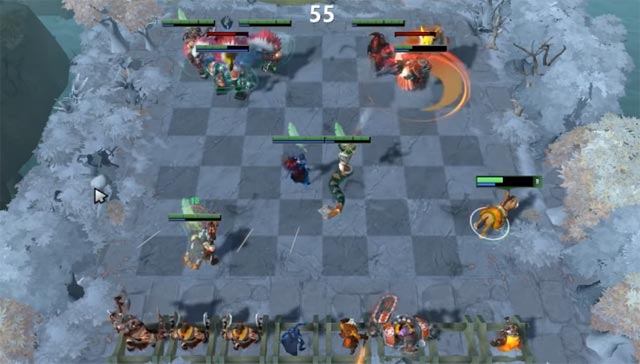
An area-effect unit needs to take enough damage to gain mana, but not so much that it dies before casting. Place a durable caster near the frontline and a fragile caster one row behind a tank. The correct tile depends on the unit's health, upgrade level and ability range.
Keep the main damage dealer away from the tile most likely to receive the opponent's opening control ability. If one enemy repeatedly disables the center of your formation, move the carry to an edge rather than rebuilding the entire team.
Split the team when one area attack threatens the whole board
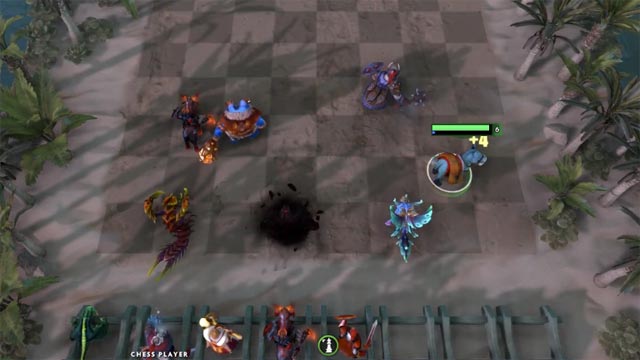
Dividing the board into two groups can limit the value of a large area-effect ability. Each group still needs a durable unit and meaningful damage; a weak group will disappear immediately and allow the enemy to surround the survivors.
Use a split only when it solves a specific threat. A divided team may focus different targets, delay friendly buffs or expose an isolated carry.
Counter-position after scouting
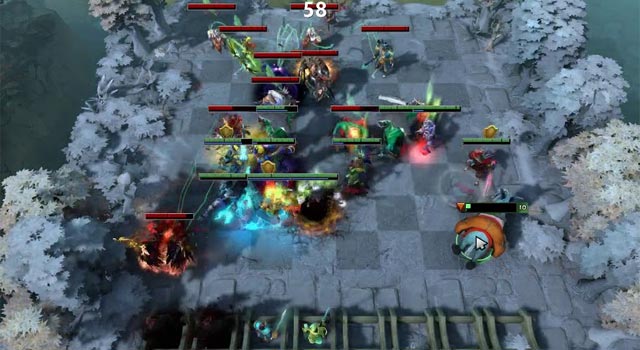
When the lobby becomes smaller, inspect the remaining boards before each round. Look for assassins, large area-control abilities and the location of the opponent's main damage dealer.
- Against assassins: keep a tank or expendable unit next to the backline carry and close obvious gaps.
- Against area damage: spread valuable units or divide the formation so one cast cannot hit everyone.
- Against a cornered carry: position your strongest attackers so their movement path reaches that corner efficiently.
- Against a dangerous frontline caster: move the main carry away from its ability path and use a secondary unit to draw attention.
Use combat results as feedback
After every loss, identify the first failure rather than changing everything at once. Did the frontline collapse, did an assassin reach the carry, or did an important caster die before using its ability? Move one or two units to address that specific problem, then observe the next round.
A reliable formation has three qualities: durable units make first contact, essential casters use their abilities, and the main damage source is protected. Once those conditions are met, small counter-positioning changes can decide close late-game rounds.
Related Articles
 Dota Auto Chess: Rank the up Line Combo Currently the Most Meta6 minutes read
 Dota Auto Chess: Synthesize Assassins to Be Strengthened in This Update4 minutes read
 Mobile Auto Chess: Some Auto Chess Mobile Strategies and Tactics7 minutes read
 How to Installing and Playing Dota Auto Chess for Newbies7 minutes read
 How to Install Vietnamese Dota Auto Chess4 minutes read
 Dota Auto Chess: the Most Effective Tips for Making Gold and Using Gold6 minutes read
Reader Comments 0
Sign in with email or Google to join the discussion.