Table of Contents
Just a little click here, a slight hum there, and suddenly you're facing a repair bill that's a million dollars or worse.
Washing machines make noise – that's how they work. But there's a difference between the normal hum of a machine running and the little sounds that signal something's wrong. The little sounds you barely notice are the most important warnings.
Just a little click here, a slight hum there, and suddenly you're facing a repair bill that's a million dollars or worse.
- How to identify Samsung washing machine errors and how to fix them
Small clicking sound during wash cycle
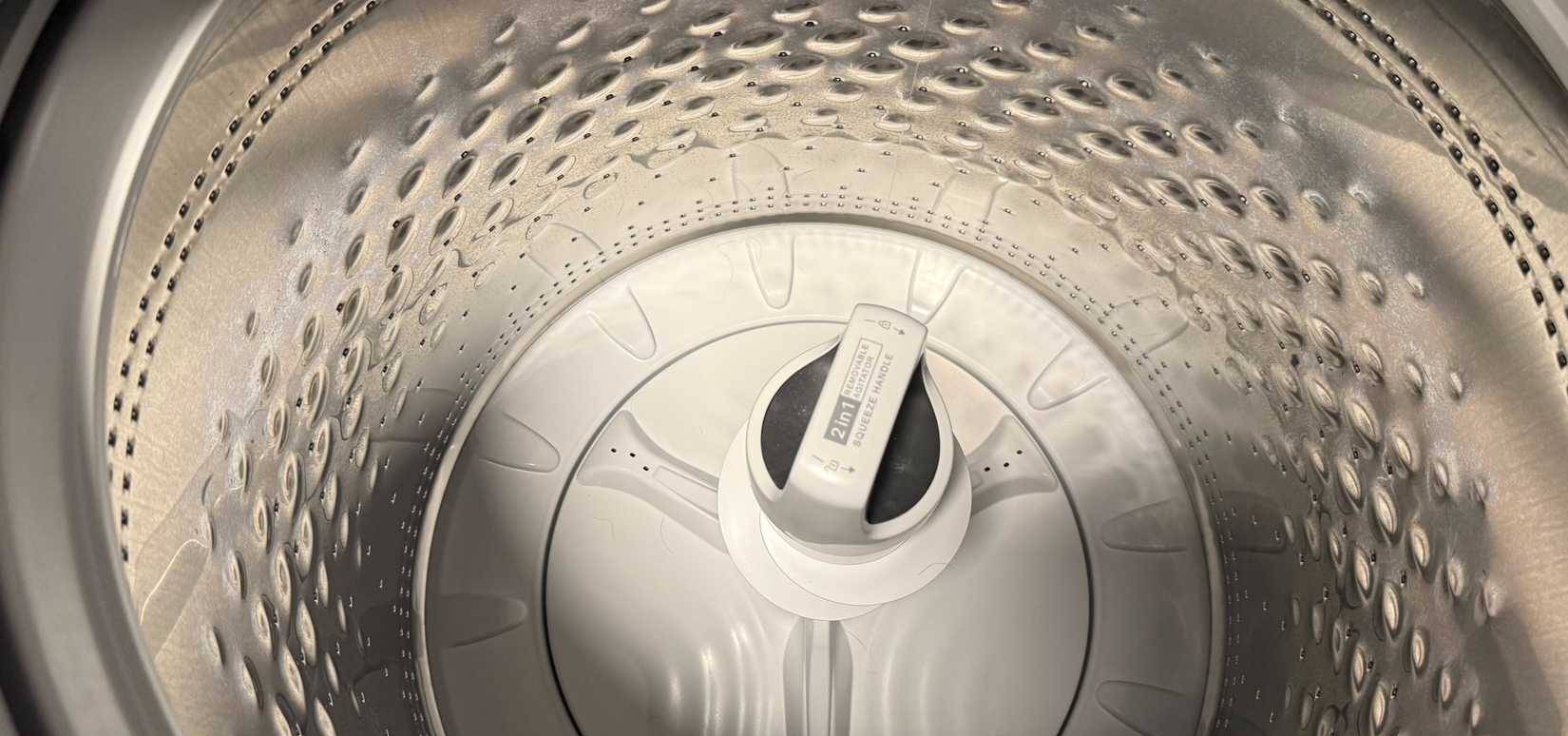
Do you hear a steady clicking noise during the wash cycle? The agitator blades are probably wearing out. These are the small plastic gears inside the agitator that help it grip and spin. If you wash many jeans or towels, they will wear out faster.
It could also be the lid lock. A few clicks during each wash cycle are normal, but a constant click means something is blocking the lid from closing properly.
Sometimes the cause is simpler - coins, buttons or bra straps stuck in the washing machine drum or filter also create that characteristic sound.
If the rattling noise gets louder or is constant, don't wait. What may start out as a small noise could mean damage to the agitator shaft or drum.
Small humming sound when the machine is not running
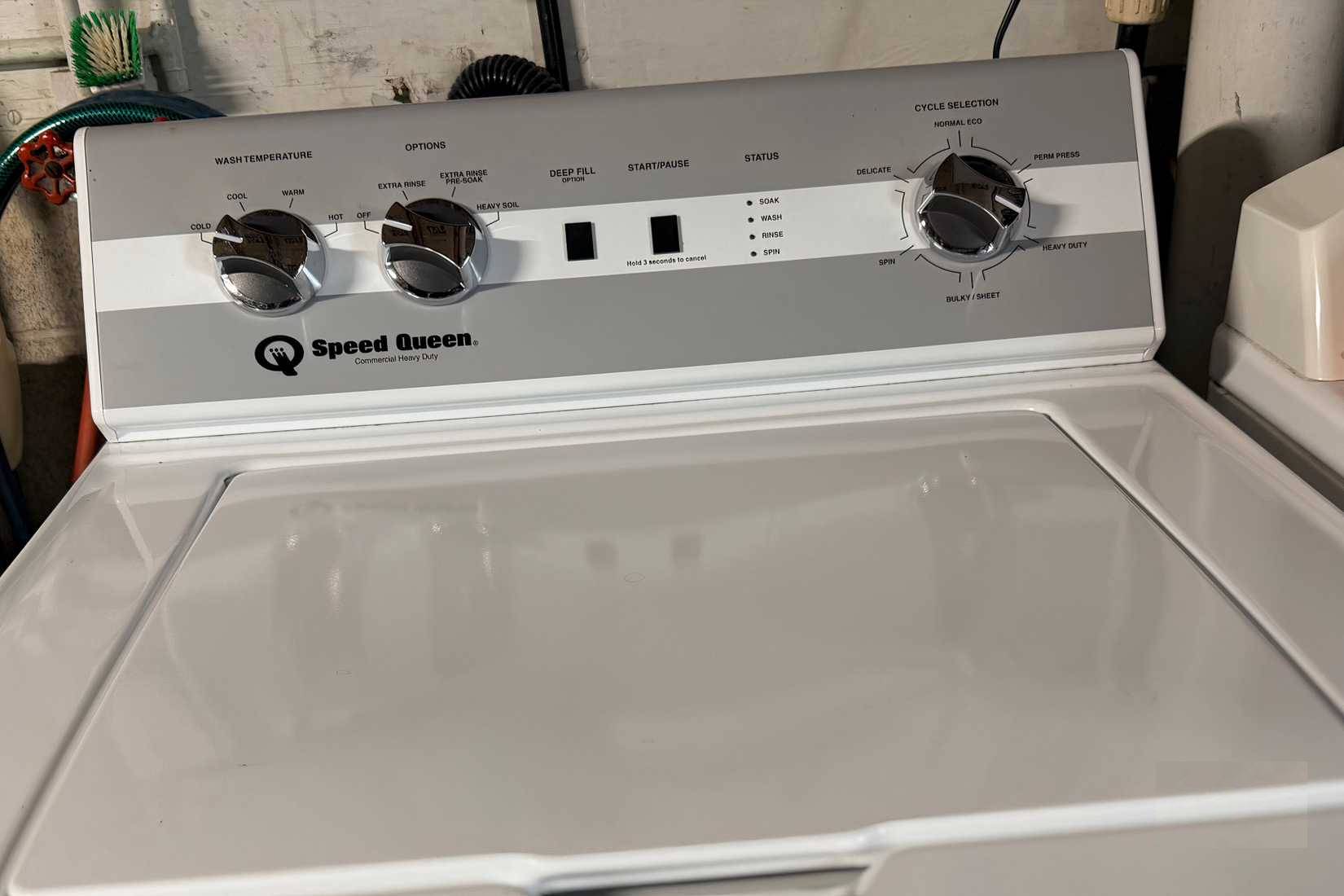
Have you ever woken up at 2am to a low humming sound coming from the laundry room? The machine is off – or should be off. That humming sound means the drain pump is running even though the machine isn't.
A washing machine that hums when it is not running is usually due to a problem with the control board. The control board sends a signal to the pump when there is no water and no wash cycle. The meter is running, and the pump is running for no reason. Eventually, it will burn out.
Squeaking or low rumbling noise
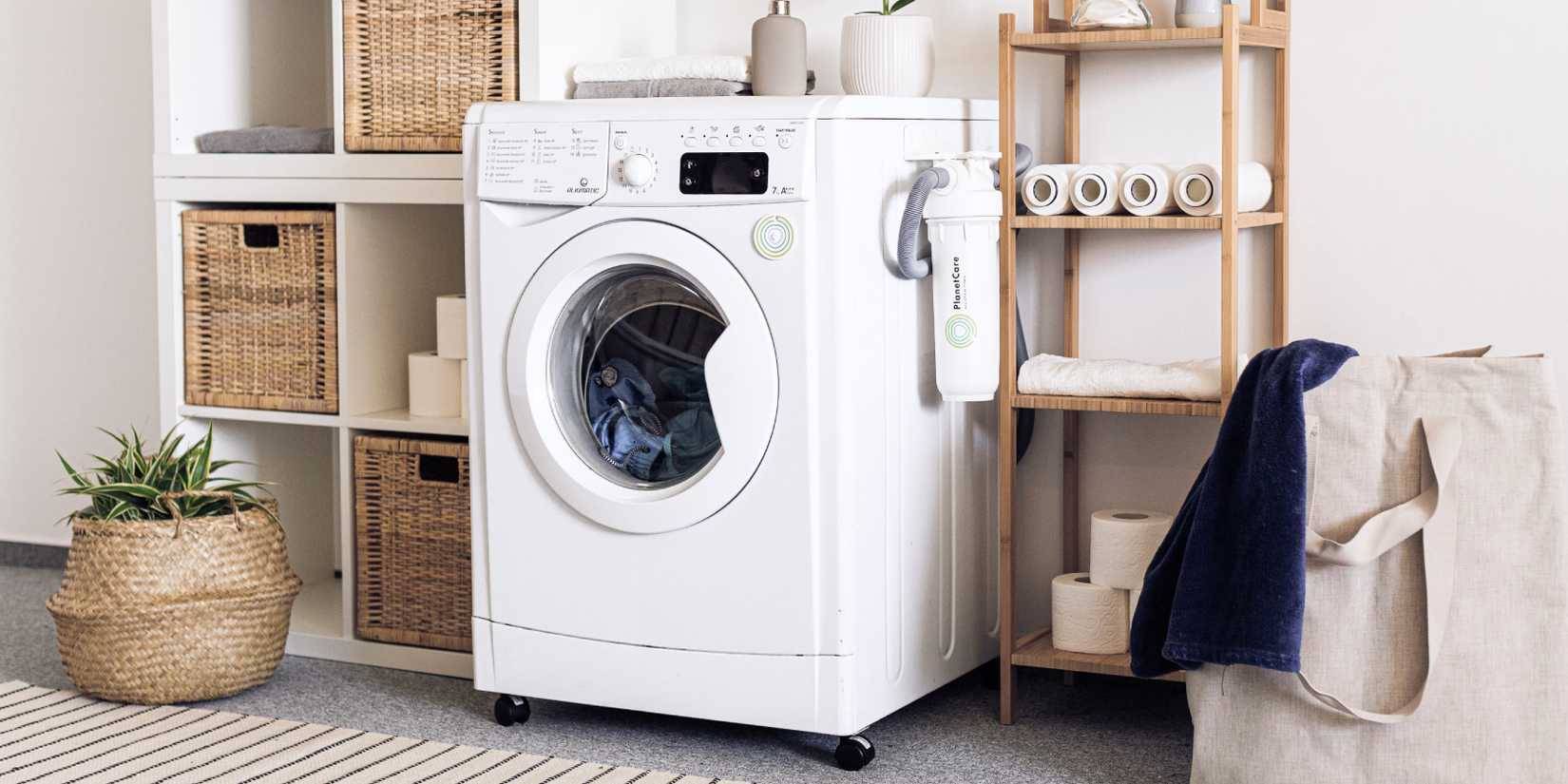
When you spin an empty washing machine by hand, it should run smoothly and quietly, so even a slight squeaking or rumbling noise could mean that the drum bearings are starting to wear out.
Bearings allow the drum to spin freely. In a top-loading washing machine, they're located below the outer water tank, where they support the weight of everything. When they fail, the drum can shake and damage other parts.
This problem usually doesn't go away. The low rumble gets louder over the next few months until it sounds like a rock in the dryer. As the problem gets worse, the drum starts to rub against the outer frame. This can wear away the plastic or even put a hole in it.
Intermittent ticking noise from the dashboard area
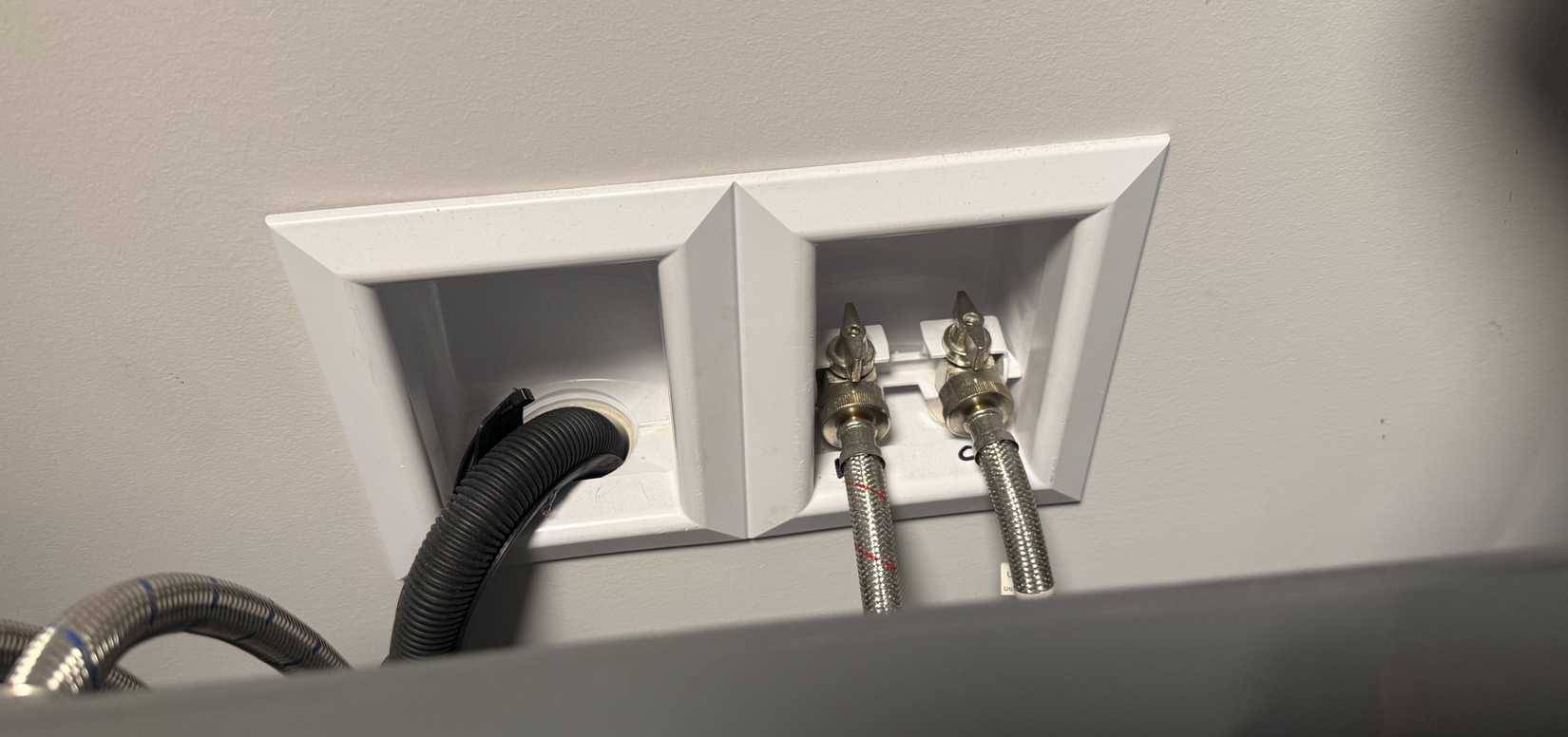
The solenoid valve acts like an electric faucet, controlling the flow of water. When it starts ticking during the water supply cycle, it means something is wrong. The valve may be partially clogged, the water pressure is too low, or the valve itself may be faulty.
The first thing to check is to make sure that both the hot and cold water supply valves are fully open. These are the knobs on the wall behind the washing machine, and they often get bumped when you clean there. The inlet strainer on the water hose gets clogged with debris over time. Remove the hoses at the back and look for the small strainers inside the connections. Clean them with an old toothbrush, and you may be able to solve the problem for free.
A very short (albeit piercing) screech
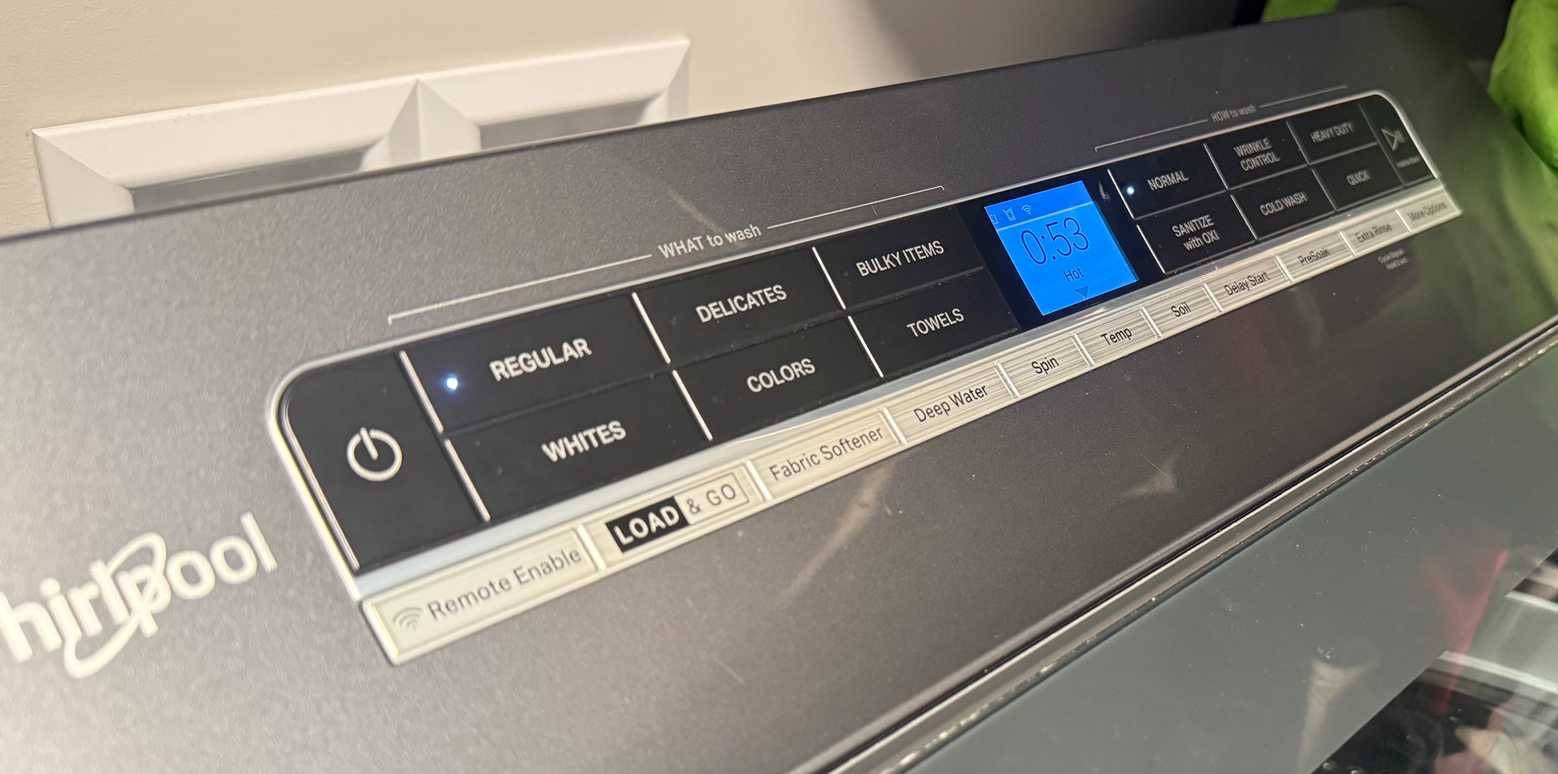
A short squealing noise during the spin cycle means the belt is slipping or worn. Not all washing machines have a belt – many newer ones use direct drive motors – but if you have an older machine, this is important.
One person ignored this noise on a previous washing machine for two weeks. The belt broke mid-cycle, leaving the person with a tub full of soggy clothes and a maintenance cycle costing nearly $100. The person should have replaced the belt as soon as they heard the noise.
The squealing noise usually starts as soon as the spin cycle begins, then goes away as the belt warms up and grips better. Don't let that fool you into thinking it's okay. It causes the belt to wear out faster each time it happens.
If there is a burning rubber smell or a squealing noise, discontinue use. Remove the back panel or bottom and inspect the belt. Check for frayed edges, cracks, or other irregularities.
FAQ
What should you know about don't ignore these little sounds from your washing machine!?
In practical terms, just a little click here, a slight hum there, and suddenly you're facing a repair bill that's a million dollars or worse.
Why does don't ignore these little sounds from your washing machine! matter?
The article highlights that the little sounds you barely notice are the most important warnings.
What is the main takeaway?
The main takeaway is that how to identify Samsung washing machine errors and how to fix them Small clicking sound during wash cycle Do you hear a steady clicking noise during the wash cycle.
Related Articles
 It Is Not Difficult to Remove Unpleasant Odors in the Washing8 minutes read
 Washer Errors and How to Fix Them11 minutes read
 Should Buy a Good Washing Machine Affordable Price8 minutes read
 Stay Away from This If You Don't Want Your Washing Machine to Fail9 minutes read
 How to Use Washing Machine Durable and Effective?8 minutes read
 The Necessary Precautions When Using a Front-loading Washing Machine7 minutes read
Reader Comments 0
Sign in with email or Google to join the discussion.