Table of Contents
Explore do this before you even think about spotify lossless, including the key concepts, practical examples, important considerations, and useful guidance.
However, even though Spotify Lossless is now available worldwide, chances are you won't actually hear any difference. Not because lossless is a gimmick, but because most physical music listening setups can't take advantage of it. If you're using Bluetooth headphones, wireless speakers, or even certain "high-end" wireless earbuds, the sound will be compressed before it reaches your ears. That means you may be paying extra for a benefit your hardware simply can't provide.
What does "lossless" actually mean?
Simply put, the sound quality is really good
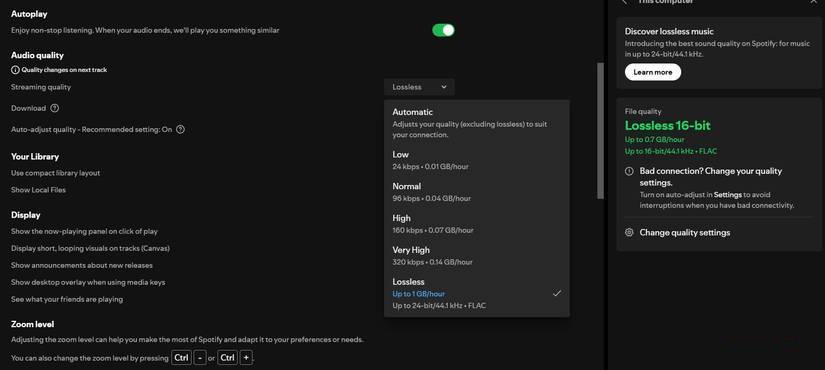
Basically, when it comes to digital audio, you have two main types of files: those that retain all the audio data (lossless) and those that remove some audio data to reduce file size (lossy). It's similar to how JPEG images compress data to produce the same result, but with a reduction in quality in the process.
Spotify's previous highest audio quality level (Very High) was 320kbps using Ogg Vorbis, a popular lossy audio format. This quality was decent but still not up to the level required for lossless audio, which is generally considered to start at CD quality (16-bit/44.1kHz - around 1,400kbps), and requires file formats like FLAC or ALAC.
But, of course, you can't just hear the numbers on the screen; the proof lies in the audio output. And with the right audio hardware, you can hear the real difference between lossy and lossless audio. But here's the bottom line: Many people don't have the right audio hardware, which makes experiencing lossless audio nearly impossible.
Your wireless headphones may be corrupting the lossless audio
This is a common problem based on the Bluetooth codec
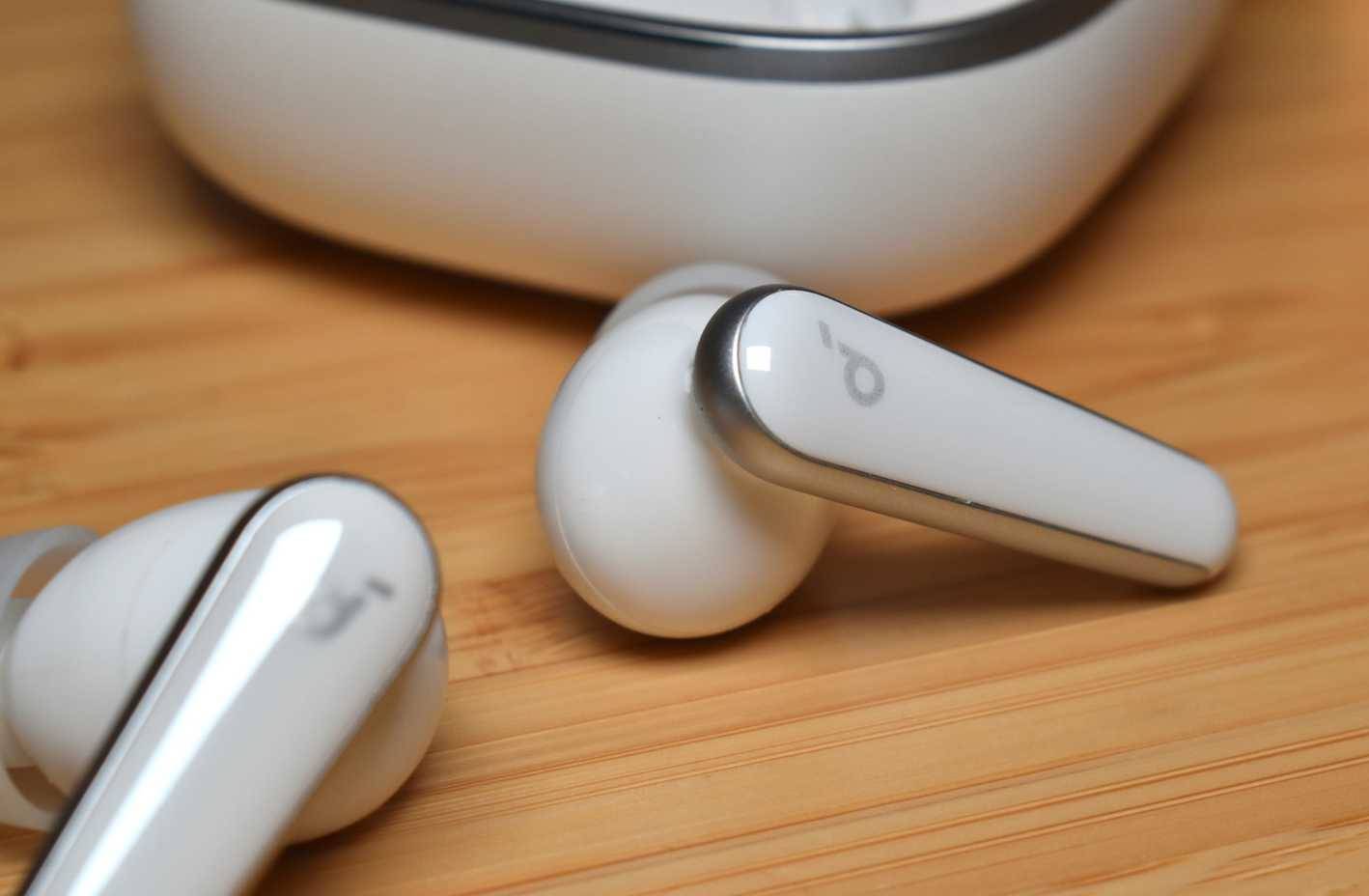
People love Bluetooth headphones and earbuds. They use them regularly, or bring both types when traveling, plus a spare set of wired headphones (and a reliable 3.5mm to USB-C adapter – even though some people are glad to see the 3.5mm port disappear, it's still really useful!).
But the problem with Bluetooth is that it focuses on efficient data compression and transmission, supported by a multitude of audio codecs. Most Bluetooth codecs focus on stability rather than quality, using lower bitrates to ensure a consistent connection, but this degrades your music listening experience.
Of course, there are times and places where these Bluetooth audio codecs are needed; some even claim they're better than lossless audio! But when it comes to Spotify Lossless (and any other type of lossless audio), Bluetooth has essentially rendered it useless.
|
Comparing Bluetooth audio codecs |
|||||
|---|---|---|---|---|---|
|
Codec |
Where will you find it? |
Maximum bitrate (approximately) |
Is it lossless? |
Actual quality |
Main limitations |
|
SBC |
Default on all Bluetooth devices |
~328 kbps |
No |
Often blurry and lacking detail. |
Low performance, considered the weakest codec. |
|
AAC |
iPhone, AirPods, and many other popular types of headphones. |
~256 kbps |
No |
Cleaner than SBC, still compressed. |
Optimized for Apple devices, quality may vary on other devices. |
|
aptX |
Many Android phones + headphones |
~352 kbps |
No |
Equivalent to AAC |
It's still a lossy codec, and it's outdated. |
|
aptX HD |
Some high-end Android devices |
~576 kbps |
No |
Better dynamics, more detail |
Data compression is still in place, and device support is limited. |
|
aptX Adaptive |
Newer Qualcomm devices |
~279–420 kbps (dynamic) |
No |
Sounds great! |
Prioritize stability/low latency over sound quality. |
|
aptX Lossless |
The hardware is very limited. |
Up to ~1,200 kbps |
⚠️ Technically correct |
High accuracy is achieved when using the correct equipment. |
Only works with Snapdragon Sound devices; rare support. |
|
LDAC |
Sony headphones, many Android phones |
Speeds up to 990 kbps |
⚠️ Almost lossless |
It usually works very well under ideal conditions. |
Reduced data transmission speed during practical use; instability in complex radio frequency environments. |
|
LHDC |
Some Xiaomi, Oppo, and Huawei devices |
Speeds up to ~900 kbps |
⚠️ Almost lossless |
Similar to LDAC |
Limited ecosystem; inconsistent support. |
|
LC3 |
Bluetooth LE Audio (new devices) |
~160–345 kbps (effective) |
No |
The quality is surprisingly good for the low bitrate. |
Designed for battery life and performance, not for premium sound quality. |
As you can see, mathematically speaking, there is actually only one codec capable of transmitting "true" lossless audio, and even then, it only works with certain devices. The world of Bluetooth headphones and earbuds with lossless audio is just fiction, even if you see the "hi-res audio" label on the box.
Bluetooth is not the only connection option
How does Bluetooth compare to 2.4GHz audio?
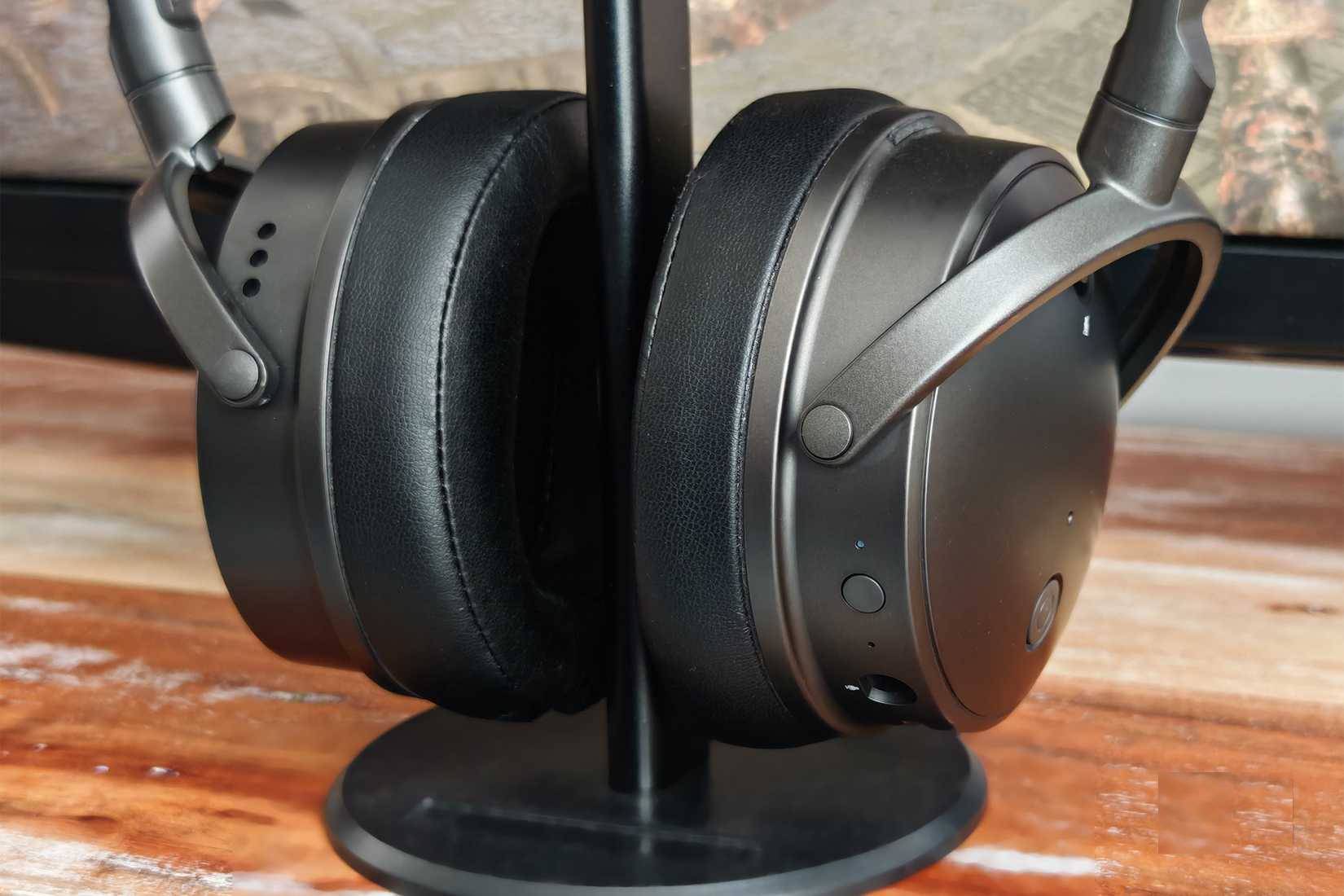
Of course, Bluetooth isn't the only option. 2.4GHz wireless audio is also available, although this type usually requires a proprietary adapter that's shipped with your headphones or earbuds.
2.4GHz wireless audio is more complex. It's not standardized like Bluetooth, and most manufacturers use proprietary implementations that don't disclose any real specifications. But many manufacturers claim that their 2.4GHz wireless technology can transmit completely lossless audio. For example, the excellent Audeze Maxwell gaming headset claims to deliver 24-bit/96 kHz audio on the 2.4GHz band. After trying this headset and other Audeze headsets like the LCD-1, it's safe to say Audeze was right!
ASUS also made similarly strong claims about its ROG Cetra True Wireless SpeedNova earbuds, which have received much praise, and the SteelSeries Arctis Nova Elite, "the world's first high-resolution certified wireless gaming headset".
In short, yes, 2.4GHz wireless audio is capable of playing Spotify Lossless, but the actual quality may vary depending on the hardware you are using.
Want a guaranteed perfect experience with Spotify Lossless?
It's time to find yourself a reliable wired headset
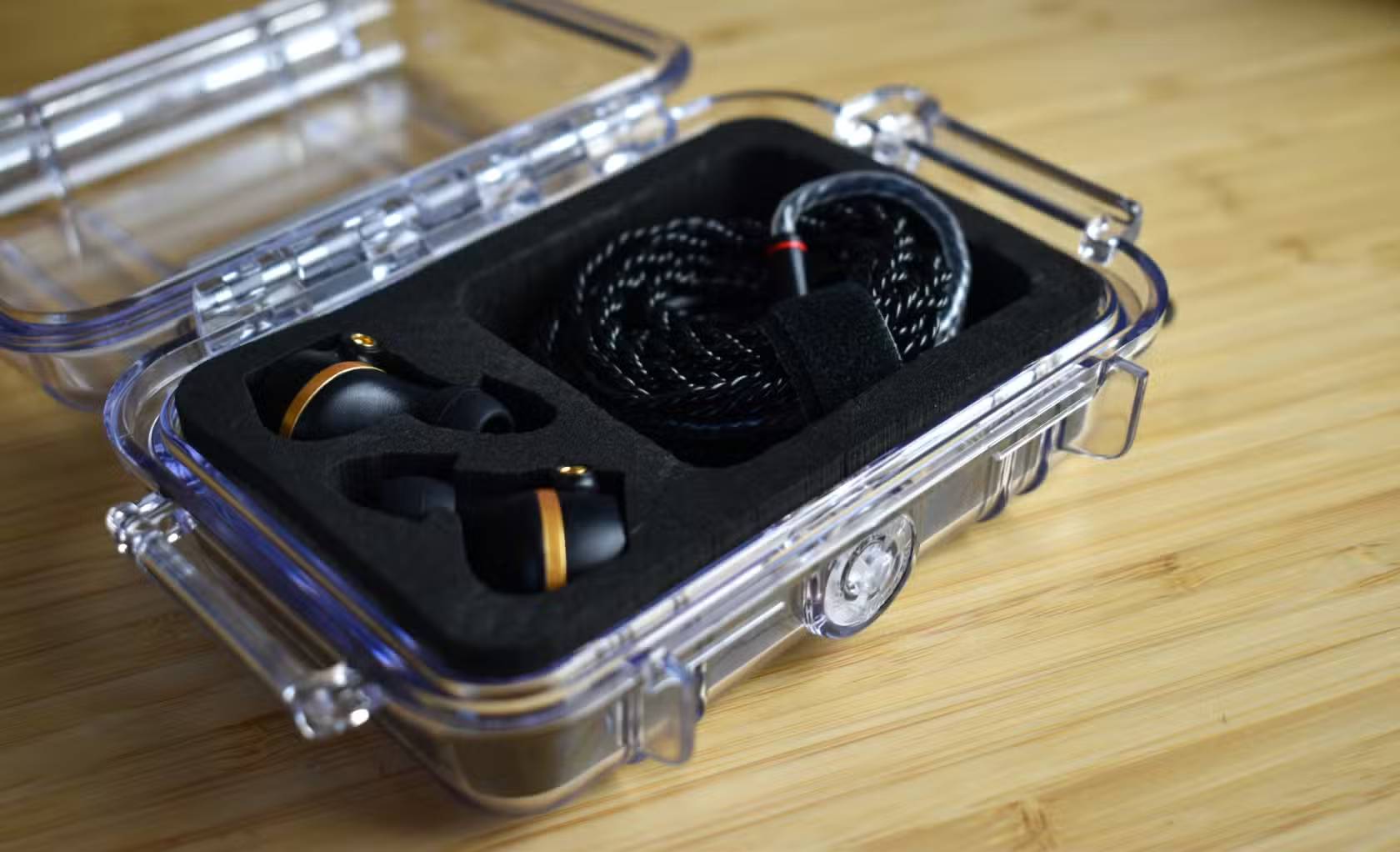
Wired headphones are the best. You always get the full audio experience, and that's why everyone says wired headphones are the best. Data is transmitted from point A to point B via cable, directly from the source to your headphones, meaning you'll truly enjoy Spotify Lossless.
But even then, this isn't always guaranteed due to cheap headphone jacks, low-quality DACs and USB-C adapters, and the fact that low-quality headphones can't even manage to convey the detail of Spotify Lossless, even if they try. You might even find that a cheap $75 wired pair performs better than a more expensive wireless pair simply because they don't have to contend with the data compression present in the Bluetooth codec.
If you're considering lossless audio quality on your smartphone, it's basically pointless unless you have a USB-C DAC, which is a great investment for anyone wanting better sound quality.
Final Thoughts
Understanding do this before you even think about spotify lossless makes it easier to evaluate the information and apply the most relevant recommendations. Focus on the key points above and verify details that may change over time.
FAQ
What is do this before you even think about spotify lossless?
Explore do this before you even think about spotify lossless, including the key concepts, practical examples, important considerations, and useful guidance.
What key points does this article cover?
The article focuses on What does "lossless" actually mean?, Simply put, the sound quality is really good, Your wireless headphones may be corrupting the lossless audio, with practical explanations and examples.
How can you use this information in practice?
Use the explanations to compare options, verify important details, and make a more informed decision. Apply the recommendations that best match your goals and situation.
Related Articles
 How to Enable Lossless Audio on Spotify: Step-by-Step Guide3 minutes read
 Spotify Launches Lossless Hi-Res Audio Plan: What to Know6 minutes read
 Spotify Plans to Launch a Higher-priced Music Pro Subscription for Lossless5 minutes read
 5 Best Lossless Music Player Apps on Android6 minutes read
 What Is Lossless Music? Compare It to the Usual Music Formats4 minutes read
 7 Best Lossless Music Players on Windows 108 minutes read
Reader Comments 0
Sign in with email or Google to join the discussion.