
Health Care
When Should You Eat Breakfast if You Have High Cholesterol?
There is no proven breakfast deadline for lowering cholesterol. A consistent routine can help, while soluble fiber and replacing saturated fat are more useful priorities.
Browse more Explore Health Care news, research highlights and clear explainers that make important discoveries, ideas and developments easier to understand.
There is no proven breakfast deadline for lowering cholesterol. A consistent routine can help, while soluble fiber and replacing saturated fat are more useful priorities.

Explore abusing painkillers can do more harm than good, including the key concepts, practical examples, important considerations, and useful guidance.

A rat study links Reelin to changes in the intestinal lining after chronic stress. Here is what the findings show and why they do not establish a depression treatment.

Researchers followed Swedish adults from adolescence to age 63. Their results show how fitness changes with age and why becoming active later can still help.
A study of six children identified TMEM167A variants linked to early-onset diabetes and neurological problems. Cell experiments help explain the gene's role in insulin production.

A US modelling study estimated large longevity gains from higher activity. Understand the difference between population estimates and a promise about your own lifespan.

Review research on food packaging, tea bags, oral-care products, seafood and salt, with practical choices that avoid unsupported health claims.

Avoid common flu-season mistakes involving vaccination, working while sick, delayed treatment, vitamin C, and herbal remedies.

MAGIC combines microscopy, machine learning, laser tagging, and single-cell sequencing to study how chromosome abnormalities arise in laboratory cell models.

Taking vitamin D with a meal containing some fat can improve absorption. Check the dose, avoid duplicate supplements, and follow any prescribed schedule.
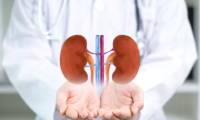
Understand why excess sodium matters, how to choose packaged foods, and why fluid, dairy, potassium, and phosphorus advice depends on your kidney health.

Water and unsweetened drinks can fit a healthy diet, but liver-cleansing claims are unproven. Learn the risks of grapefruit interactions and concentrated herbal products.

A TwinsUK study associated polyphenol-rich diets with better cardiovascular risk scores. Here is what researchers measured, what the findings mean, and their limits.

A mouse and cell study found that vitamin C reduced PM2.5-related damage. Human benefits and dosing remain unproven, so reducing pollution exposure still comes first.

Bloating, bowel changes, reflux, and low mood deserve attention, but they do not diagnose an unhealthy microbiome. Track symptoms and know when to seek care.

Practical ways to manage pregnancy nausea, protect your teeth after vomiting, and recognize dehydration or severe symptoms that need medical care.

A mouse study found that an enzyme and the form of omega-3 changed tumor outcomes. The results do not establish fish oil as a cancer-prevention treatment for people.

Green tea is not a proven best remedy for bloating. Understand the limits of the evidence, the difference between tea and extracts, and practical steps for recurring symptoms.

Choose food around your symptoms: limit what worsens nausea or diarrhea, protect hydration and sleep, and avoid unnecessary restrictions during a cold or flu.

Small studies have tested kiwi and tart cherry juice, while other fruit claims rely on nutrient or melatonin measurements. Here is how to interpret the evidence.