Table of Contents
Learning how to using anti-malware feature on windows 10 doesn't have to be complicated. This updated guide presents a clear workflow, practical checks, and troubleshooting advice you can use while completing the process.
Key Takeaways
- Review instructions for using anti-malware features on windows 10 with defender security center.
- Follow the recommended steps in order to avoid common mistakes with using anti-malware feature on windows 10.
- Review compatibility, settings, or requirements before making changes.
Instructions for Using Anti-malware Features on Windows 10 with Defender Security Center
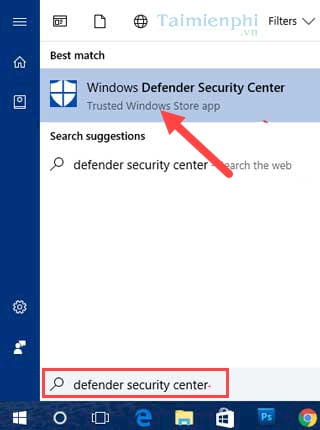
Step 1: Open the Start Menu, type Defender Security Center, then select the displayed result.
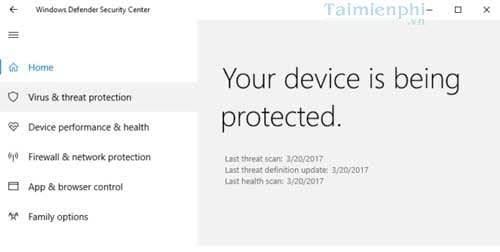
Step 2: In Defender Security Center, click Home. Your device is protected if the message Your Device is being protected appears.
Step 3: Next, select Virus & threat Protection and select Quick Scan to scan for viruses.

Step 4: To turn off Defender Security Center, select Virus & threat protection settings.

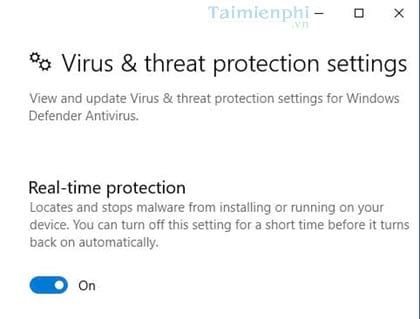
Step 5: In Virus & threat protection settings, switch Real-time Protection to OFF to turn it off.

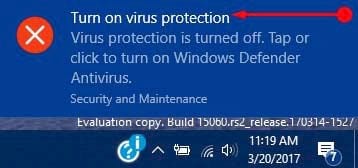
Step 6: After turning off, there will be a notification on the Desktop screen to warn you.
Step 7: To turn it back on, just do the opposite from step 4, but make sure Real-time Protection is set to On.
Step 8: To complete activation, open the Start Menu, type security, and then open Security and Maintenance.
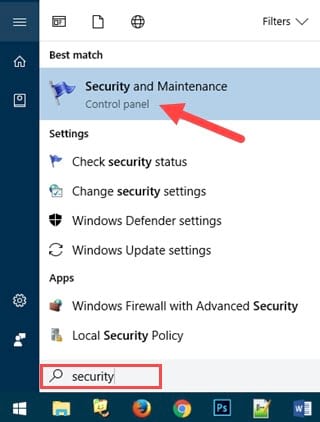
Step 9: In the Security and Maintenance section, open Security and select Turn on now.
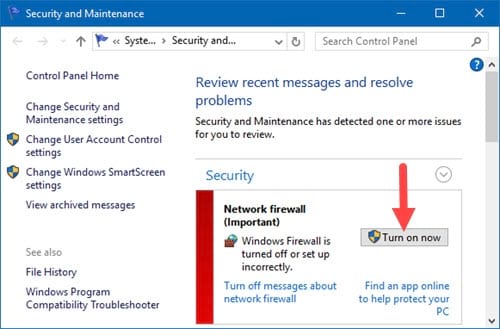
At this step, we have completed turning on Defender Security Center as well as using the anti-malware feature on the new Windows 10.
Using the anti-malware feature on Windows 10 through Defender Security Center helps protect your computer effectively. In particular, when scanning compressed files, Defender works very well. Windows Defender is still a safe choice if you don't want to upgrade to Windows 10 Creator Update. You can also customize Defender, integrate it into the right-click menu to easily scan for viruses at any time. You can refer to the article on how to add Windows Defender to the right-click menu. This helps you do this.
In addition, if you have any questions or concerns about Windows Defender, you can send us your questions or leave a comment here. We will respond to your questions as soon as possible to help you solve the problem.
Final Thoughts
The most reliable way to handle using anti-malware feature on windows 10 is to follow the process in order, verify each important setting, and test the result before moving on. Use the guidance above as a practical reference, then adjust the details for your device, software version, or specific goal.
FAQ
What should I check before I using anti-malware feature on windows 10?
Use the latest available software, confirm that your device meets the requirements, and make sure you have the necessary permissions, account access, or backup before changing anything.
Why might I be unable to using anti-malware feature on windows 10?
Common causes include outdated software, missing permissions, incompatible settings, incomplete setup steps, or a temporary network problem. Recheck the process from the beginning and restart the app or device if needed.
Is it safe to using anti-malware feature on windows 10?
It is generally safe when you use official tools, review every permission, and back up important data before making system-level or account-level changes.
Related Articles
 Instructions on How to Use the Timeline Feature on Windows 103 minutes read
 How to See Which Windows Defender Has Found Malware on a PC3 minutes read
 Instructions to Remove Malware on the Computer4 minutes read
 Microsoft Is About to Add a Useful Security Feature to Windows 10 to Help4 minutes read
 How to Find and Remove WMI Persistence Malware from Windows PCs4 minutes read
 Windows Startup Tips That Will Save You from Dangerous Malware7 minutes read
Reader Comments 0
Sign in with email or Google to join the discussion.