Table of Contents
If a USB drive has plenty of free space but Windows says a file is too large, check its file system. FAT32 allows a single file up to 4 GiB minus one byte, even on a much larger drive. Use a compatible drive formatted as exFAT or NTFS, or keep FAT32 and split the file if the receiving device can join the pieces.
Confirm the cause
In File Explorer, open This PC, right-click the destination drive, and select Properties. Check File system and free space. Check the source file’s exact size in its own properties. If the destination already uses exFAT or NTFS, verify free space, permissions, and any limits imposed by the destination device or app before changing the drive. See Microsoft’s file-system comparison.
Choose exFAT, NTFS, or keep FAT32
- exFAT: A common choice for large files shared between modern Windows and Mac computers. Confirm compatibility with TVs, consoles, and cameras.
- NTFS: A common choice for Windows-only storage. Other devices may read it without being able to write to it.
- FAT32: Keep it when older devices require it. If split files cannot be rejoined at the destination, use a smaller export or another transfer method.
Format the drive after verifying your backup
Formatting erases the selected drive. Copy its files to another drive and open several from the backup first. Use the label, capacity, and drive letter to verify you have selected the right USB drive.
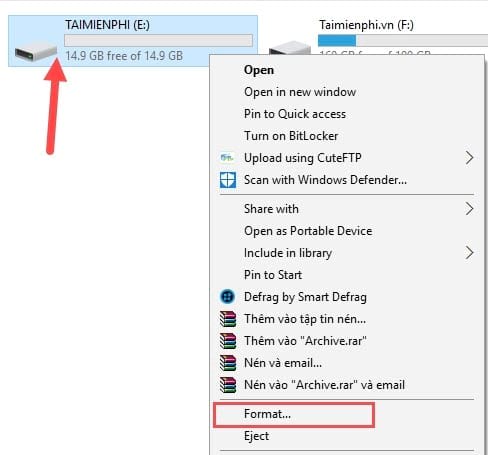
- In File Explorer, right-click the drive and choose Format.
- Select exFAT or NTFS under File system. The screenshot uses NTFS as an example.
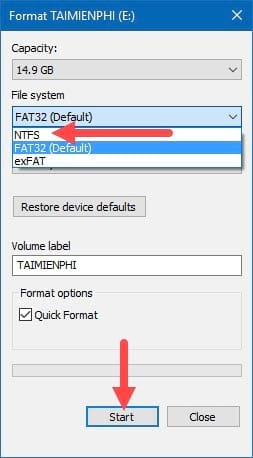
- Start the format and confirm the erase prompt only after checking the drive and backup.

- When the format is complete, verify the file system in Properties, copy your test file, and open it from the USB drive. Then restore the other files you want to keep on it.


For more, see how to copy files to a USB drive and eject it or diagnose a USB drive Windows cannot format.





Reader Comments 0
Sign in with email or Google to join the discussion.