Table of Contents
Use Premiere’s Search panel to find footage by what it shows, what people say or what’s in the file metadata. For subtitles in another language, use Translate captions on an existing caption track. These are separate tools with different data requirements.
Find footage by describing the shot
- Open a project with the clips imported. Let Premiere finish its media analysis. Check Window > Progress if you don’t see expected results yet.
- Open Search using the magnifying glass and describe something visible, such as wide shot of a dog running across a field. The visual search instructions currently specify English queries.
- Filter the results to visuals, audio, text or metadata as appropriate. For a spoken quote, use transcript text. For a shoot date or camera type, use metadata when your files include it.
- Preview candidate clips and check the action and framing before adding a result to your sequence.
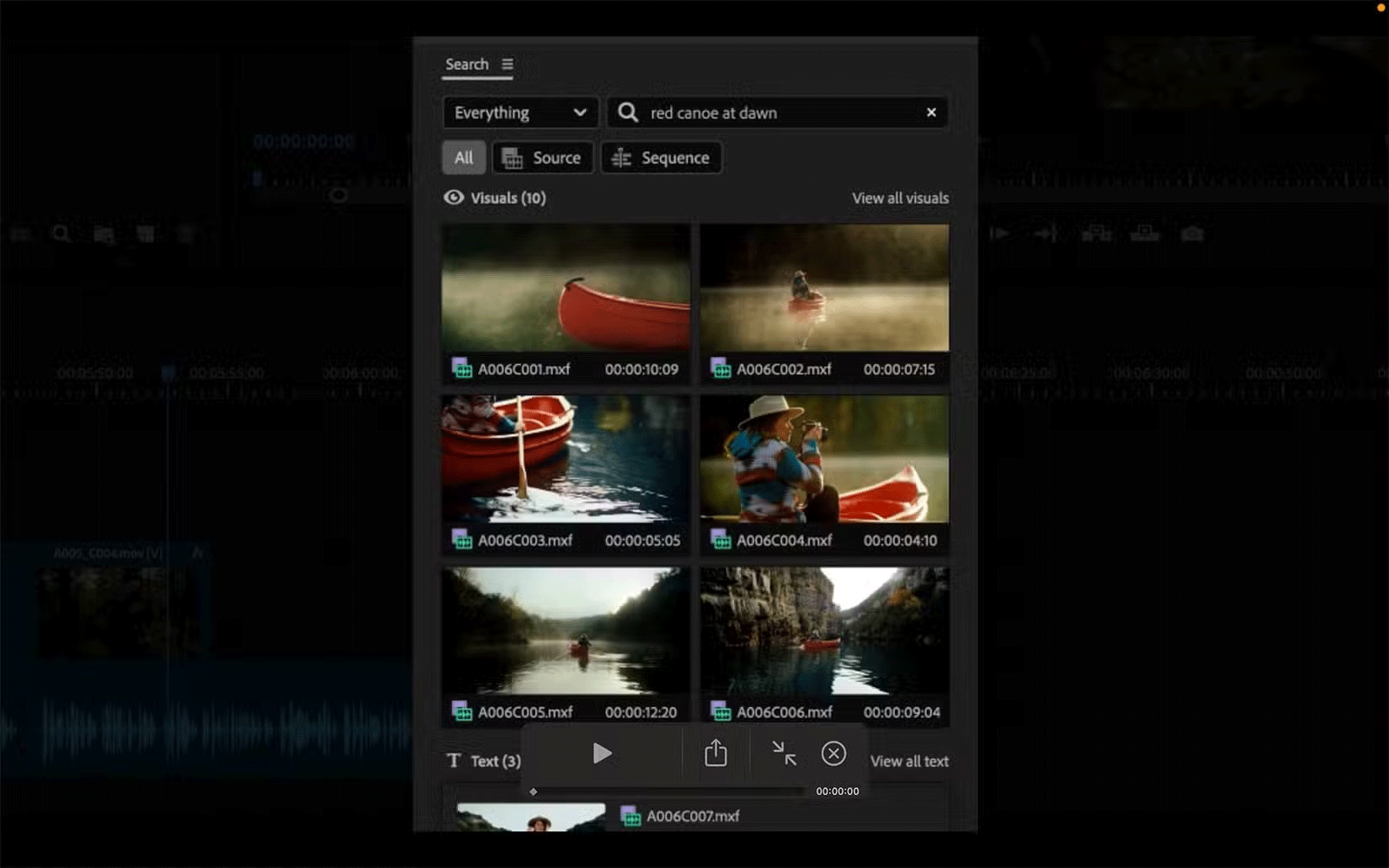
Adobe says the visual analysis runs on your device and can use the media cache. See Adobe’s media search instructions for filters and analysis details.
Translate an existing caption track
- Create or import the source captions, then fix names, numbers and transcription errors before translating.
- In the Text panel’s Captions tab, select Translate captions, choose the target language and start the translation.
- Premiere adds a separate caption track. Show the new track and preview the sequence. Review meaning, names, line breaks and timing before exporting.
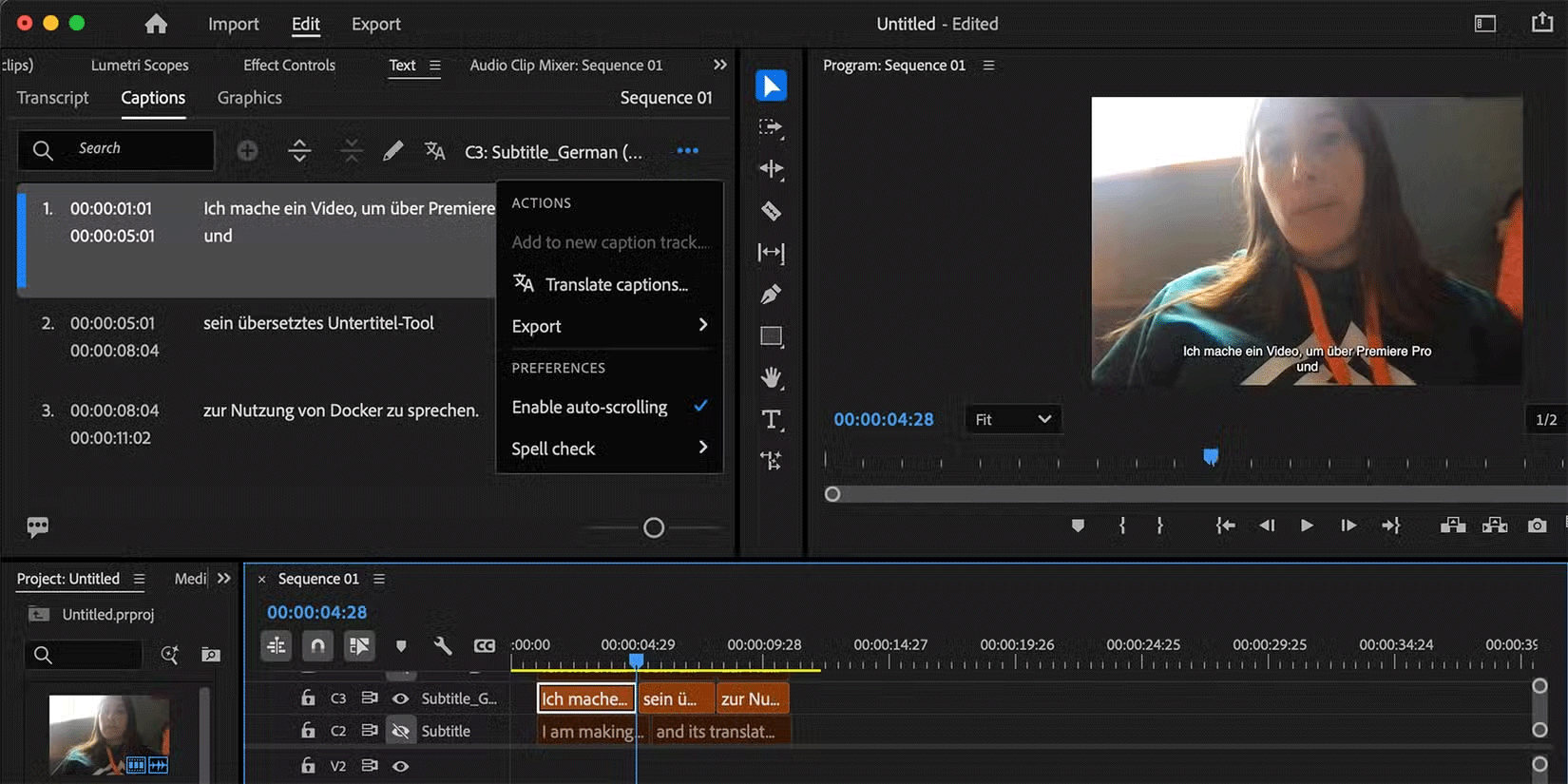
Caption translation uses cloud services, according to Adobe’s caption translation guide. Check your team’s rules before translating confidential material. Export a separate subtitle file if viewers will select a language, or burn in captions if they need to appear on every copy.
Related Articles
 6 AI Translation Tools Compared: Strengths, Limits, and Best Uses
 Top 5 Best Video Subtitle Creation Software 2024
 How to Embed Subtitles in Videos
 How to Insert Subtitles into Video
 How to Add Subtitles to a Movie/Video on VLC
 Google introduces a new feature that makes it easy to find important moments in a video
Reader Comments 0
Sign in with email or Google to join the discussion.