Table of Contents
Portable power supplies were once just for campers, but now they have become a must-have for most people.
Portable power supplies used to be the preserve of campers, but now they're a must-have for just about everyone. They're quiet, rechargeable, and incredibly versatile. Since most newer models use LiFePO₄ (i.e., lithium iron phosphate) batteries, you'll often hear claims that they essentially last forever.
There's some truth to that, because LiFePO₄ is one of the most durable and stable batteries out there. While older lithium-ion batteries might fail after 500 to 800 charge cycles, LiFePO₄ can typically last 3,000 to 5,000 cycles before you notice a drop in performance. To put that in perspective, that could be 10 years or more of regular use if you treat it carefully. But that's the problem. If you treat it incorrectly, you can still prematurely ruin your power supply.
- 7 Reasons Why Hard Drives Fail and How to Prevent Them
Use in extreme temperature conditions
Beware the Goldilocks Effect
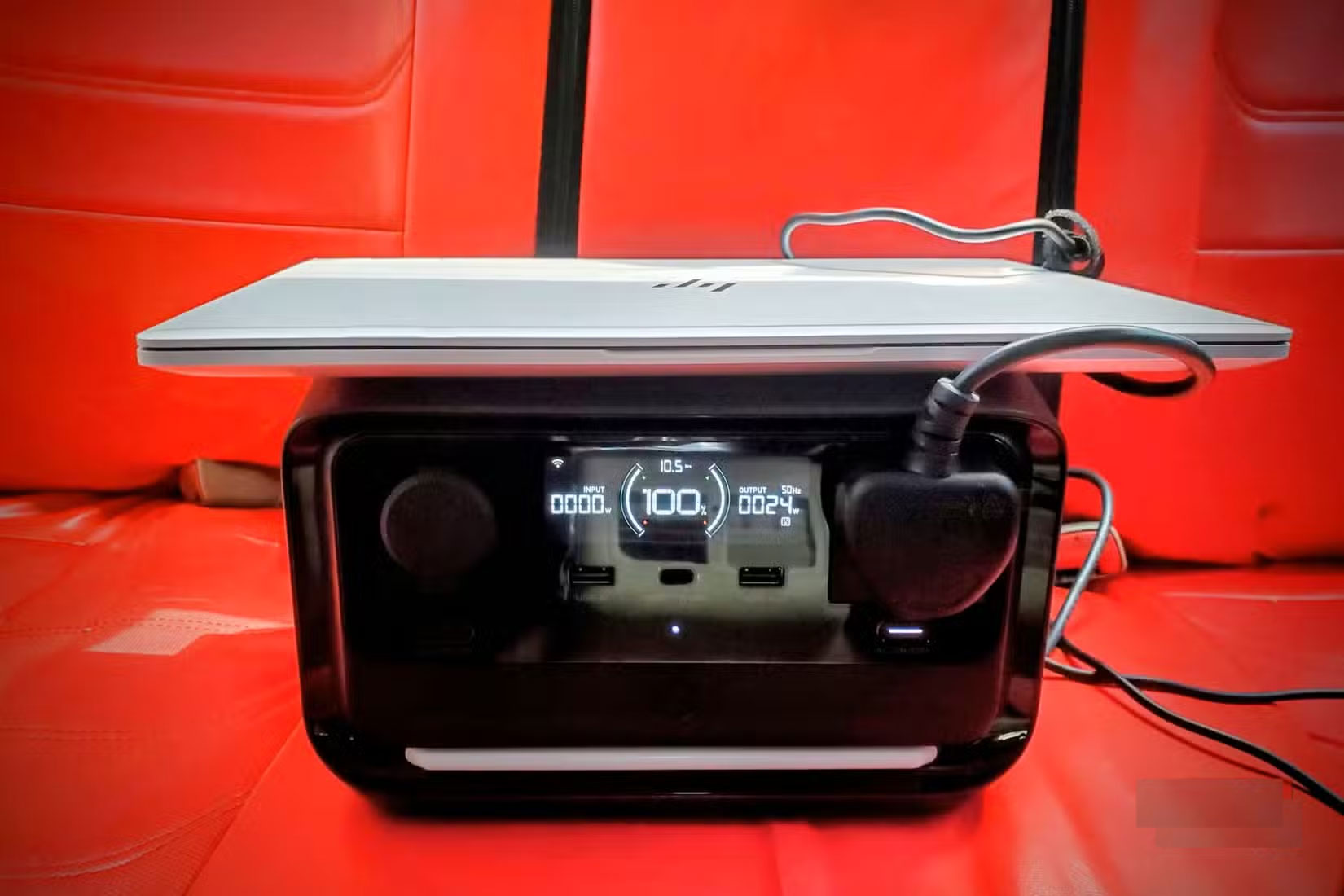
One of the biggest threats to any portable power source is heat. These devices may be marketed for camping and emergency use, but they rely on sensitive electronics and lithium battery chemistry inside. Leaving a device in a hot car or in direct sunlight for hours can cause the internal temperature to rise to unsafe levels. Even LiFePO₄ cells, which are more durable than regular lithium-ion cells, will deteriorate more quickly if exposed to high temperatures.
Continuously draining the battery
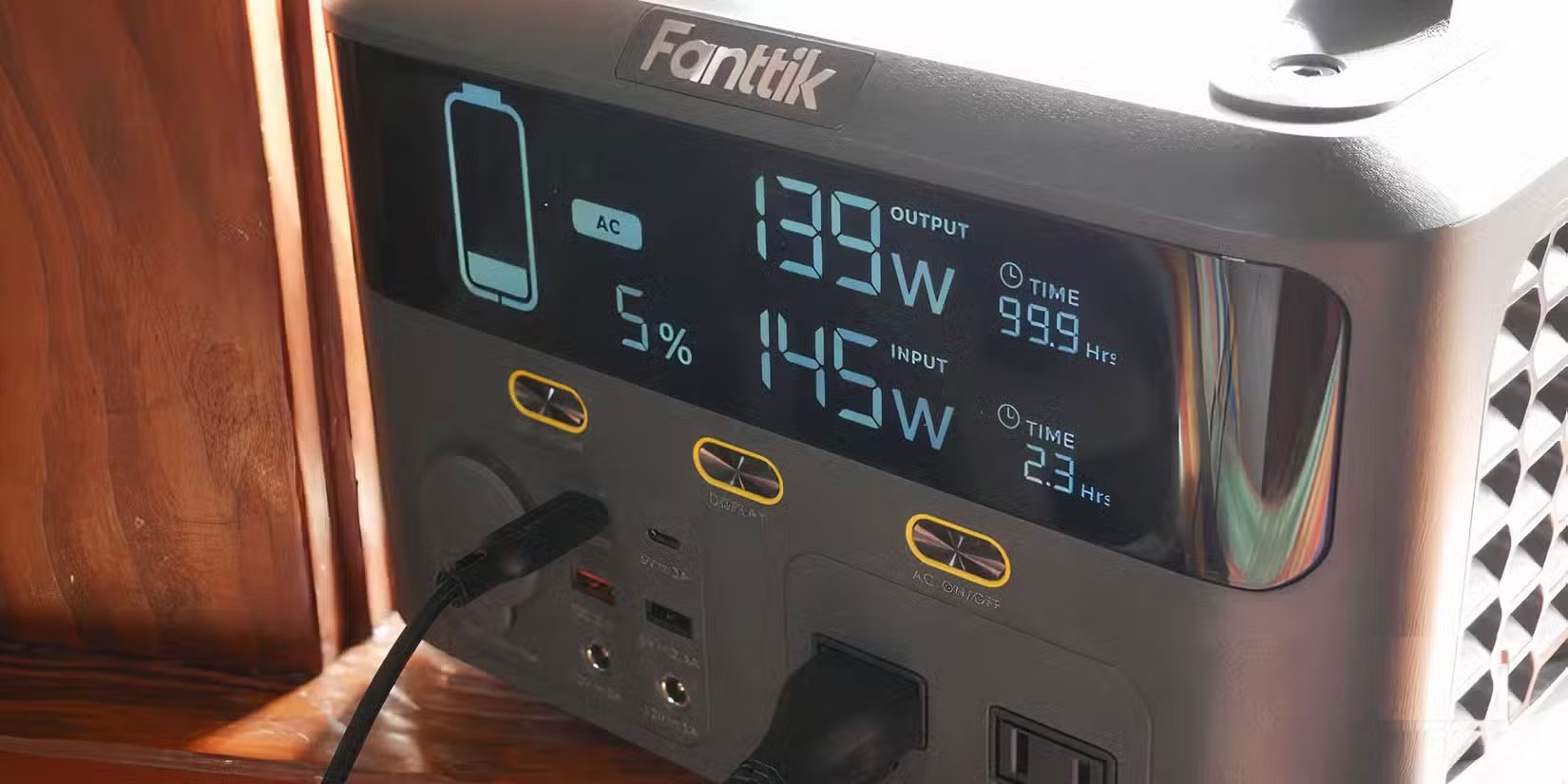
Depth of discharge is one of those concepts that people often misunderstand. Many people think that letting a power supply reach zero before recharging is good for the health of the battery, as if you are 'restarting' it. In fact, this habit only causes the system to deteriorate faster. While LiFePO₄ batteries can handle deeper charge cycles than older lithium-ion batteries, they can lose capacity quickly if you continually discharge them until they die.
Similarly, you should not let your device run low on battery for weeks or months.
Continuously exceeding the limit
Rates exist for a reason.
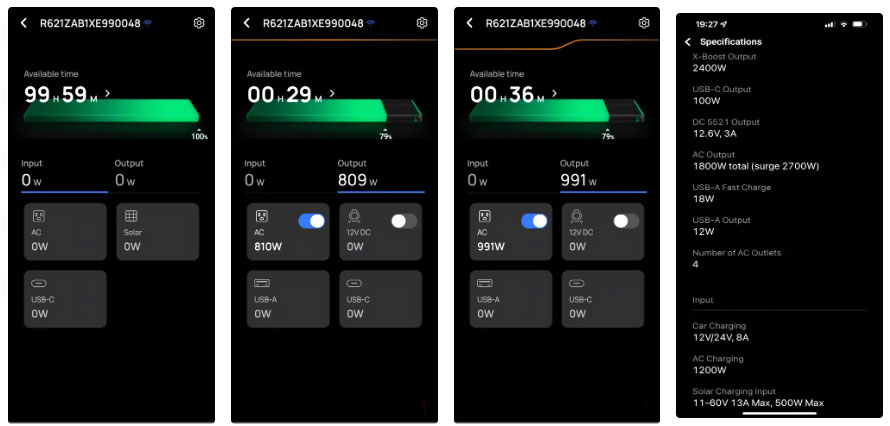
Power supplies are only as durable as their inverter rating. If you plug in devices that draw more power than they should (especially if they exceed their rating continuously), the system may suddenly shut down to protect itself – but even if it seems to be handling itself well, you're still putting stress on the device. Pushing it beyond what the inverter can handle will increase internal temperatures, stressing components and accelerating wear.
Not only that; running close to or slightly above the rated power will also cause problems. You may start to notice unusual behavior such as overheating, the inverter shutting down earlier than normal, or automatically shutting down when multiple appliances are on at once.
Overcharging the power supply
Input specifications are not standard
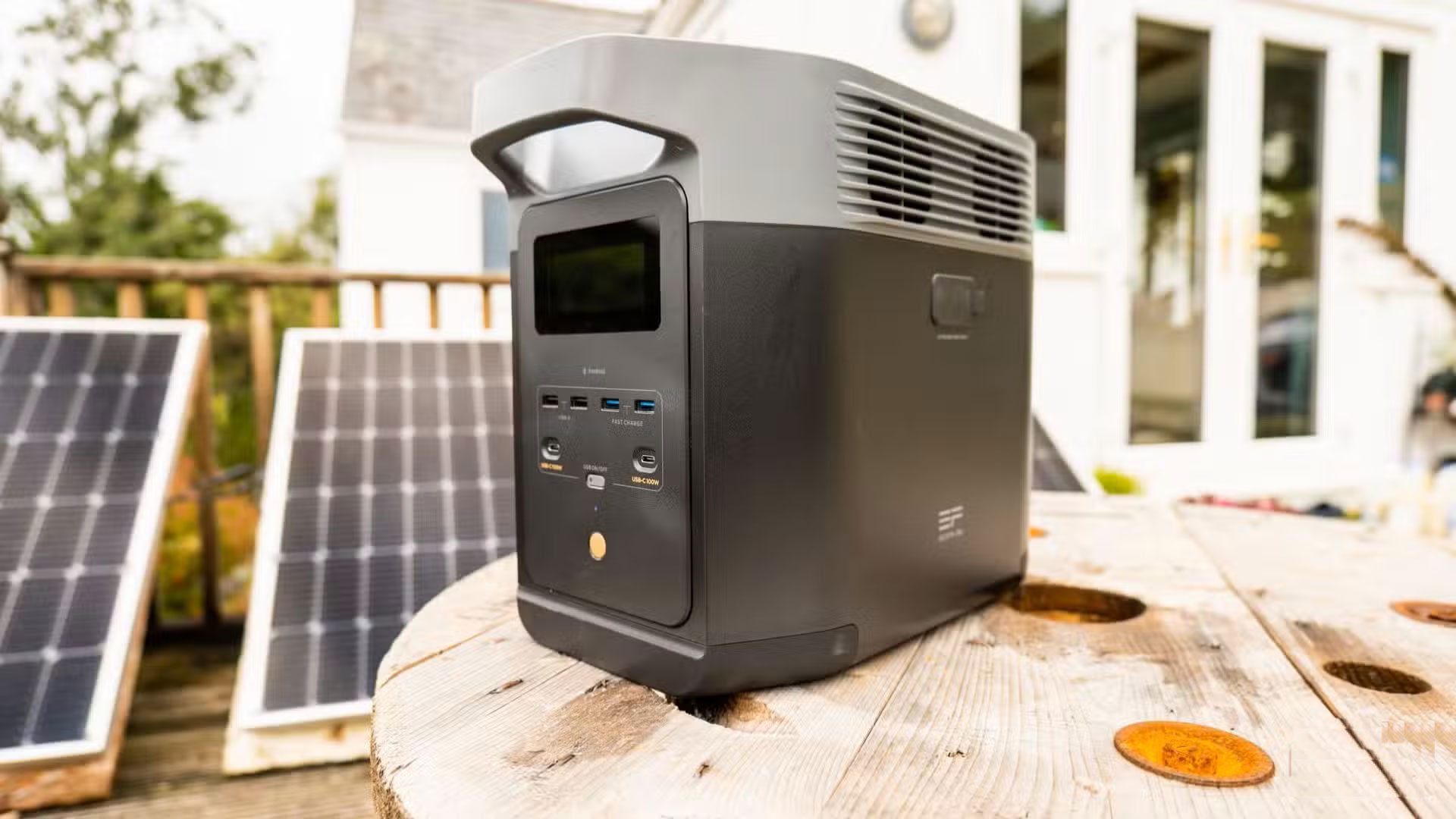
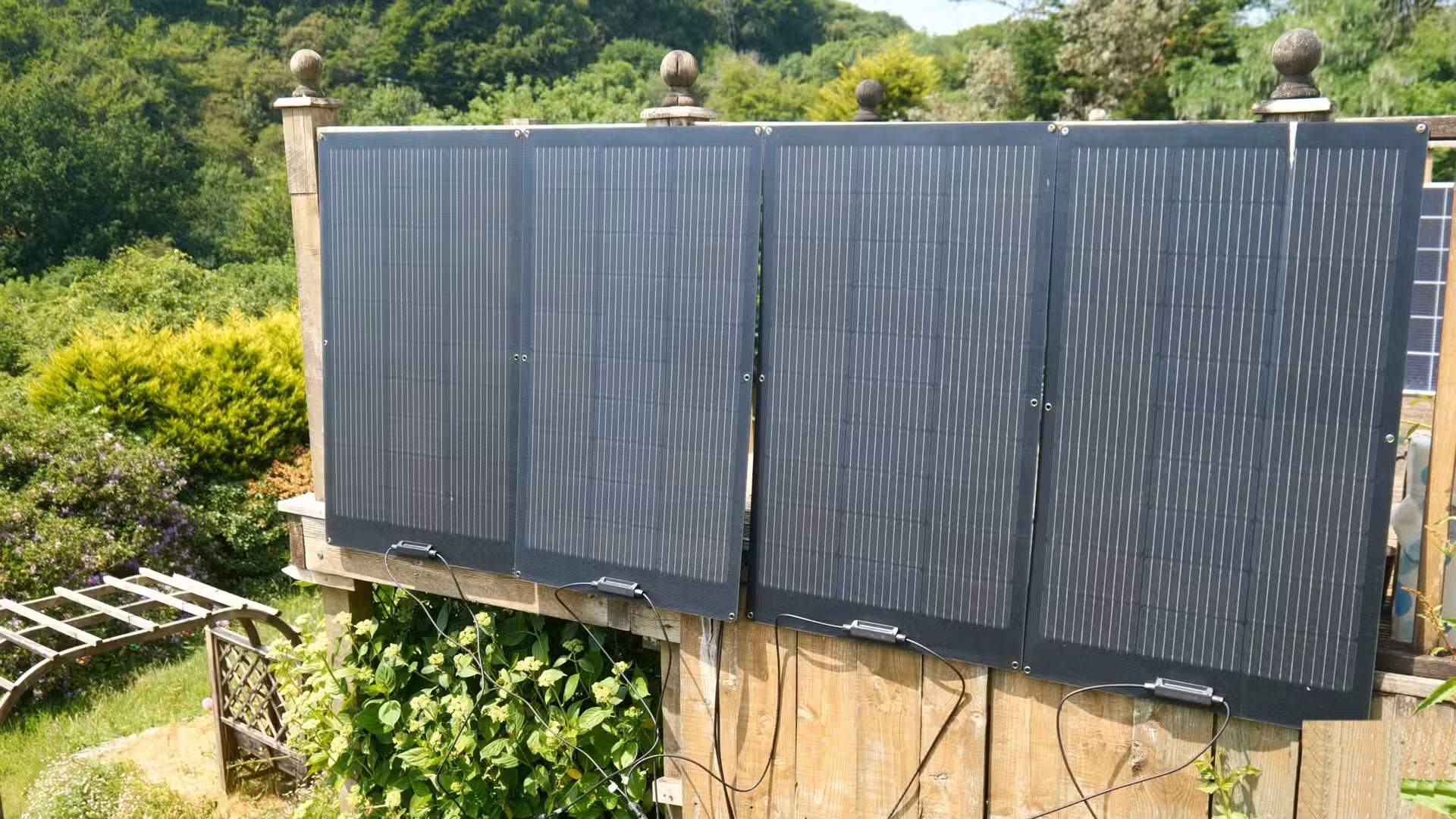
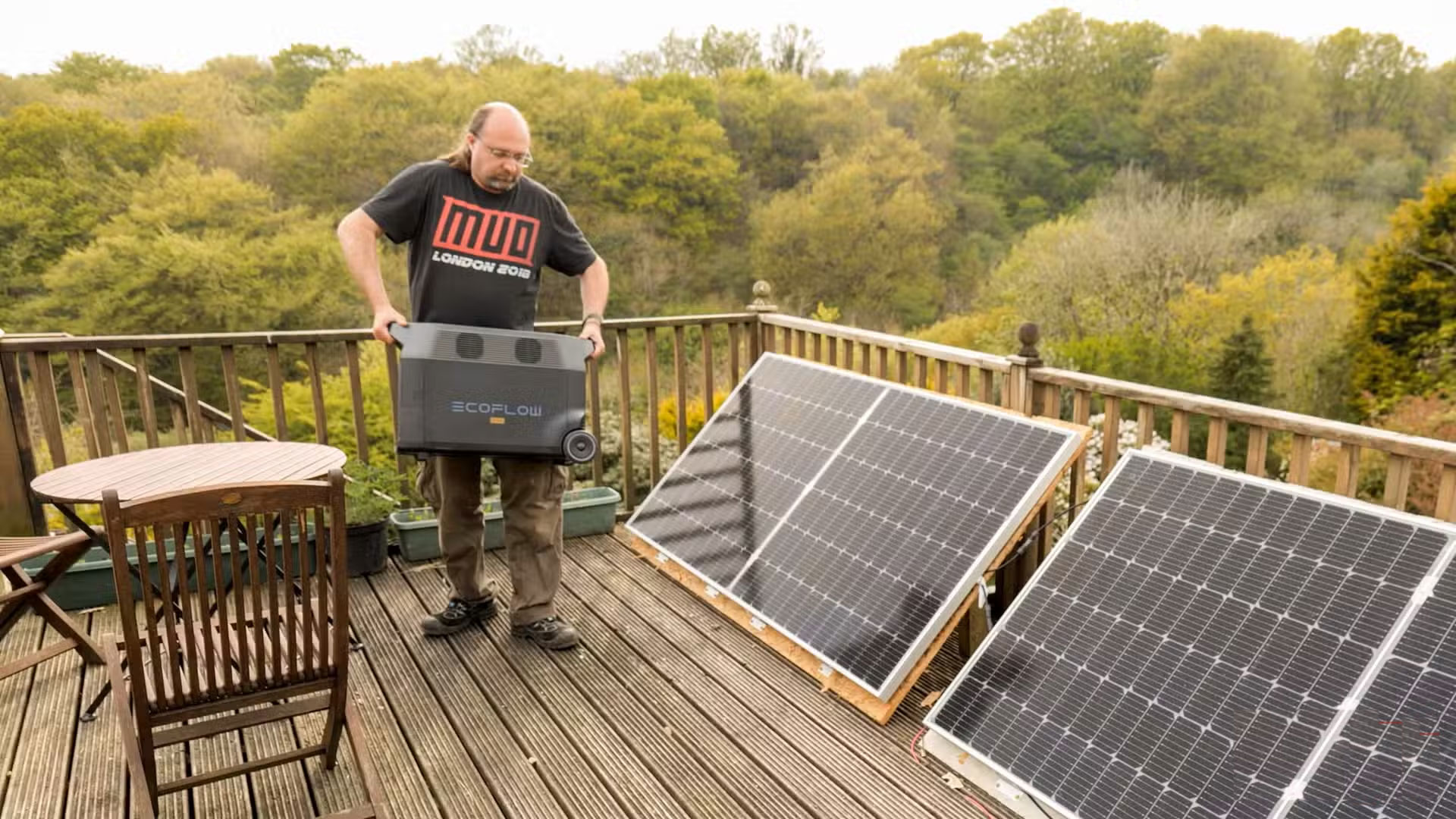
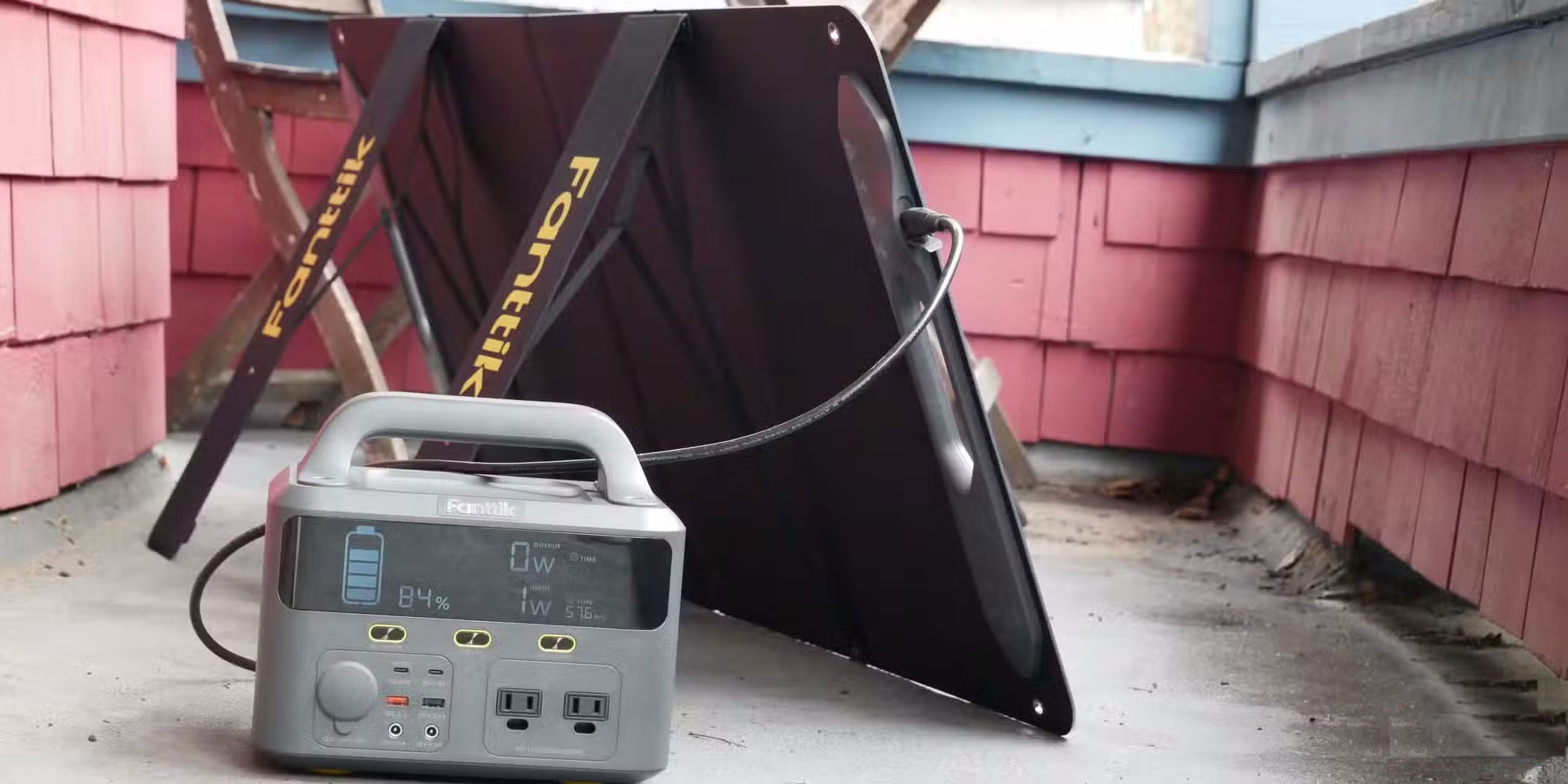

It's not just the output that can damage a power supply if you push it too hard – the input is just as important. Every device has a specific limit to the voltage, current, and power it can accept when charging – that should be one of the things to keep in mind when buying a portable power supply. Ignore those specs, and you're playing with fire.
If the input voltage spikes high enough, even for just a moment, it can overload the charging circuit and leave you with a damaged expensive device.
Poor ventilation
Fans and vents need space too.
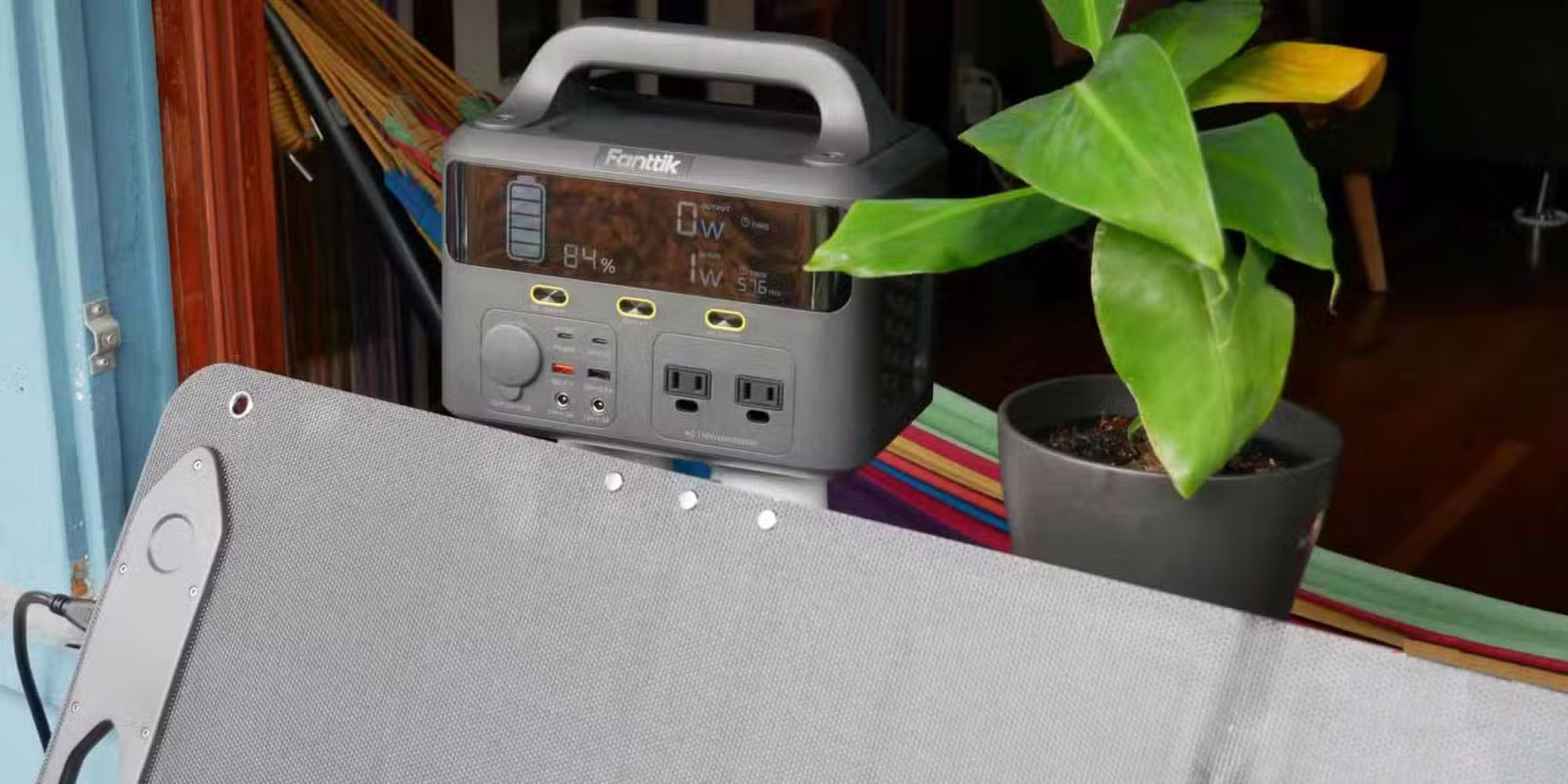
Portable power supplies are designed to cool themselves, often with built-in fans and vents. But they can't do that if you overload them.
Cramming your device into a confined space, under a blanket, or in a tent with no airflow will trap heat. Even if the power supply doesn't shut down immediately, the extra heat will affect the battery cells, inverter, and electronics, gradually reducing performance and shortening their lifespan.
Strong grip
Think of it as a device, not a basketball.
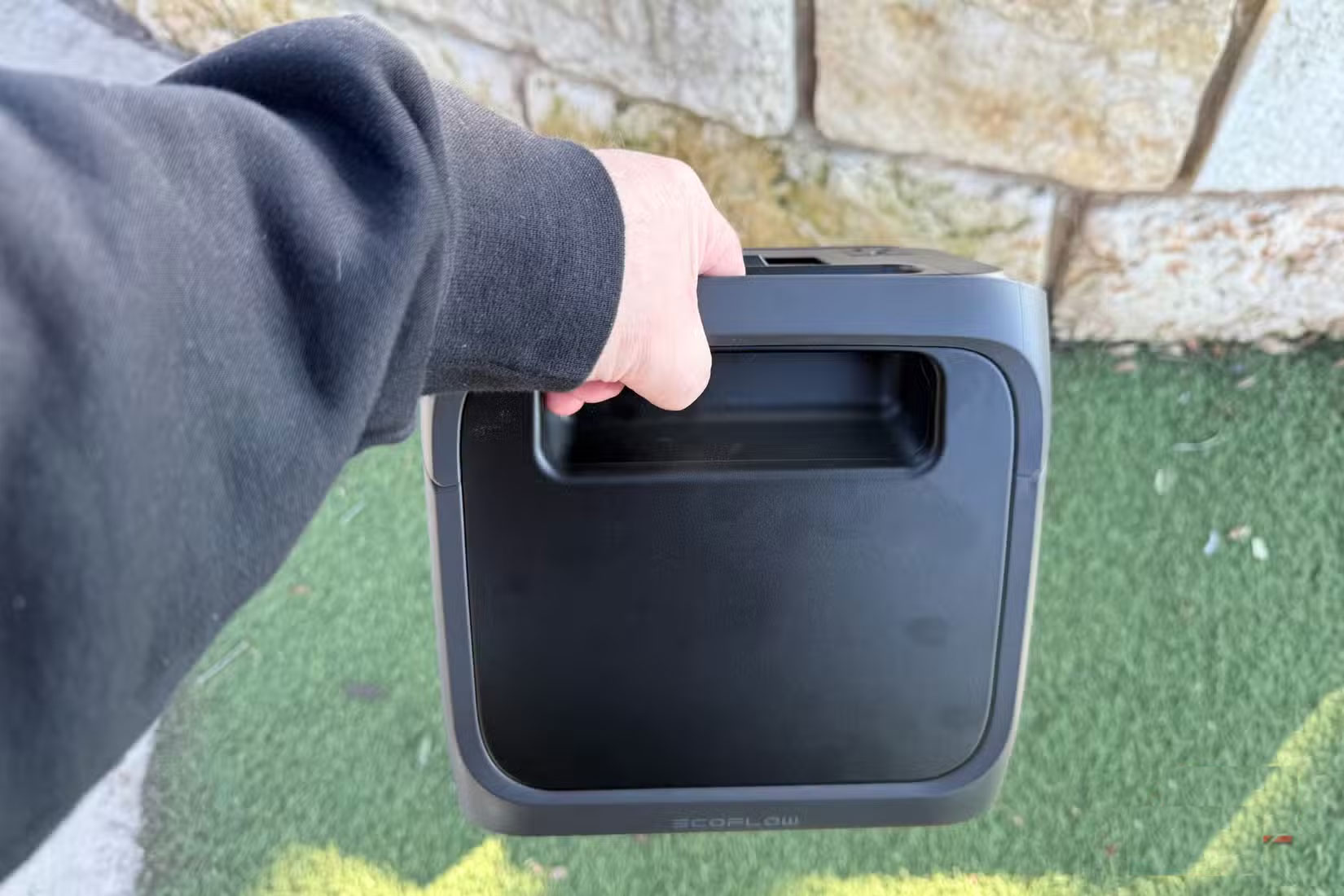
Just because it's called a "portable" power station doesn't mean you can toss it around like luggage at the airport. Inside, these are still fragile machines. Drop it, bump it, or throw it carelessly into the back of a truck and you could loosen connections or damage the battery cells.
It may work fine after a fall or two, but the damage is cumulative. One day you plug it in and find that the power supply is no longer providing a steady supply. Just being a little more careful when moving it will save you many trouble later.
FAQ
What should you know about the options in this guide?
In practical terms, portable power supplies were once just for campers, but now they have become a must-have for most people.
Which option is the best choice?
The best choice depends on your priorities, compatibility, budget, and the specific features discussed in the comparison.
What should you compare before deciding?
Compare core features, limitations, ease of use, compatibility, and long-term value before making a decision.
Related Articles
 4 Things to Note Before Choosing to Buy a PSU Power Supply7 minutes read
 What Are the Signs of a Weak Computer Power Source? How to Fix It?8 minutes read
 How to Check a Power Supply8 minutes read
 How to Test a PC Power Supply: Step-by-Step Guide8 minutes read
 6 Best Ups Power Units in 20197 minutes read
 Computer Power Source: More Important Than You Think34 minutes read
Reader Comments 0
Sign in with email or Google to join the discussion.