Table of Contents
Discover why has microsoft stopped hiding easter eggs in Windows and office and explore the main causes, risks, practical effects, and recommended actions.
Recently, we discussed the discovery of a new Easter egg in a rather old Microsoft software, specifically Office 97. This Easter egg is activated through a rather complicated sequence of steps, and when opened, it displays a "credits scene" screen listing the people involved in developing the software, along with funny jokes from Clippy (or Clippit).
This discovery delighted many users, but it also raised a question: why doesn't Microsoft do such "fun" things anymore, especially in flagship software like Windows – an operating system used by billions of people, many of whom would undoubtedly enjoy these community-oriented Easter eggs?
Unfortunately, there are quite a few reasons behind this change.
Trustworthy Computing Initiative
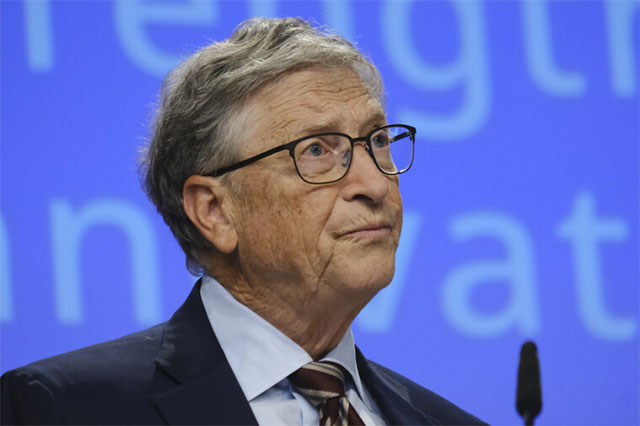
In 2002, then-Microsoft CEO Bill Gates launched the Trustworthy Computing (TwC) initiative after the company faced significant criticism from customers regarding security vulnerabilities in Windows.
The goal of TwC is to focus on core elements such as security, privacy, reliability, and business integrity. This entails a crucial requirement: software must be secure from the design stage, meaning the source code needs to be carefully written and fully documented for easy inspection, evaluation, and testing.
Meanwhile, Easter eggs are essentially hidden elements that can only be activated through unofficial actions. The requirement to fully document the source code has virtually eliminated Easter eggs in many products like Windows and Office. Nevertheless, Microsoft still views Trustworthy Computing as a significant milestone in improving software security and reliability.
Contracts with the government and federal agencies
Although Microsoft provides slightly customized versions of its software for the government and federal agencies, they essentially share the same platform and differ only in some security features.
This is an extremely sensitive group of enterprise customers, where Microsoft must sign non-disclosure agreements (NDAs) and make strict commitments regarding software stability and reliability. In this context, Microsoft cannot risk including unpredictable elements in its products.
Government agencies typically don't check every line of source code they purchase. Therefore, if a 'strange' element suddenly appears simply because a programmer thought it was 'for fun,' it immediately raises suspicion: are there other things being hidden that could violate regulations? Some agencies even require vendors to confirm that no undocumented features or functionalities exist in the product.
Changes in programming and testing models
While this isn't entirely new in the software development lifecycle, as Microsoft has grown – with around 225,000 employees today – the teams involved in product development have become much larger and more specialized.
Today's core products are built with the participation of large teams specializing in development, testing, auditing, and compliance, to ensure the software meets commercialization standards. Modern practices such as pair programming, automated testing, and standardized and transparent CI/CD pipelines make the likelihood of undocumented behavior virtually zero.
In addition, many Microsoft products, such as Azure, have achieved ISO certifications. These quality-related certifications require that the source code be fully documented, so that any problems can be easily traced back to their root cause.
There's no room for 'improvisation' anymore
All of the above explains why Microsoft no longer hides Easter eggs in products like Windows, Office, or Azure. While these details are interesting and evoke nostalgia, their unpredictability carries risks and the potential for violations of compliance requirements that many customers – especially businesses and governments – cannot accept.
Final Thoughts
Understanding why has microsoft stopped hiding easter eggs in windows and office makes it easier to evaluate the information and apply the most relevant recommendations. Focus on the key points above and verify details that may change over time.
FAQ
What is why has microsoft stopped hiding easter eggs in windows and office?
Discover why has microsoft stopped hiding easter eggs in Windows and office and explore the main causes, risks, practical effects, and recommended actions.
What key points does this article cover?
The article focuses on Trustworthy Computing Initiative, Contracts with the government and federal agencies, Changes in programming and testing models, with practical explanations and examples.
How can you use this information in practice?
Use the explanations to compare options, verify important details, and make a more informed decision. Apply the recommendations that best match your goals and situation.
Related Articles
 All the Easter Eggs Revealed in the GTA VI Trailer10 minutes read
 Google Secretly Contains at Least One 'Easter Egg' in Each6 minutes read
 Easter Eggs on Chrome Mobile Appear When Opening 100 Tabs3 minutes read
 Click: How to Explore the Easter Eggs in Windows 953 minutes read
 Microsoft Officially Stopped Supporting Office 20073 minutes read
 What Does Easter Egg Mean? How They Are Understood in the Game5 minutes read
Reader Comments 0
Sign in with email or Google to join the discussion.