Table of Contents
Everyone is eager to buy lots of things and come up with ideas for their new home. However, here are some things you should never do immediately after moving into a new home.
Everyone is eager to buy lots of things and come up with ideas for their new home. That said, here are Some things you should never do immediately after moving into a new home.
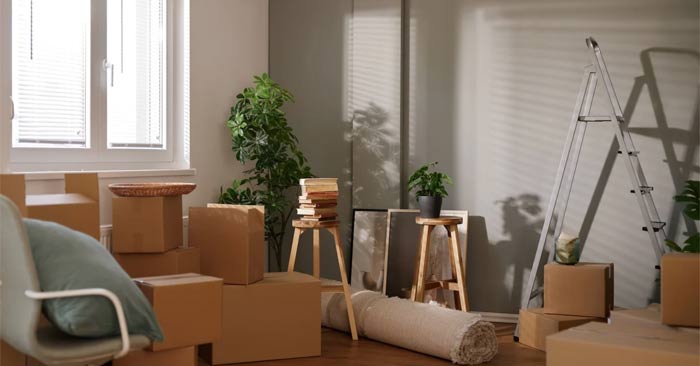
Unpacking
Almost as soon as the first box arrives at your new home, you want to start unpacking. You want to get your clothes and belongings out, find the perfect place for everything you own, and start enjoying your new home right away. However, there are several benefits to waiting to unpack:
- Cleaning: Having everything in a box means you can thoroughly clean floors, walls and crevices without having to move them out of place.
- Planning: You probably haven't spent much time in your new home yet, so you don't have a real "feel" for the place. Waiting to unpack lets you get used to the space so you can decide more precisely where to put things.
- Relax: You simply don't have to unpack everything on your first day in your new home. Leaving the bulk of the unpacking for later in the day helps you relax and recharge after a stressful move.
The key here is to plan your packing so that the essentials are placed in specific boxes or locations, so you can take out what you really need and leave the rest for a more relaxed schedule.
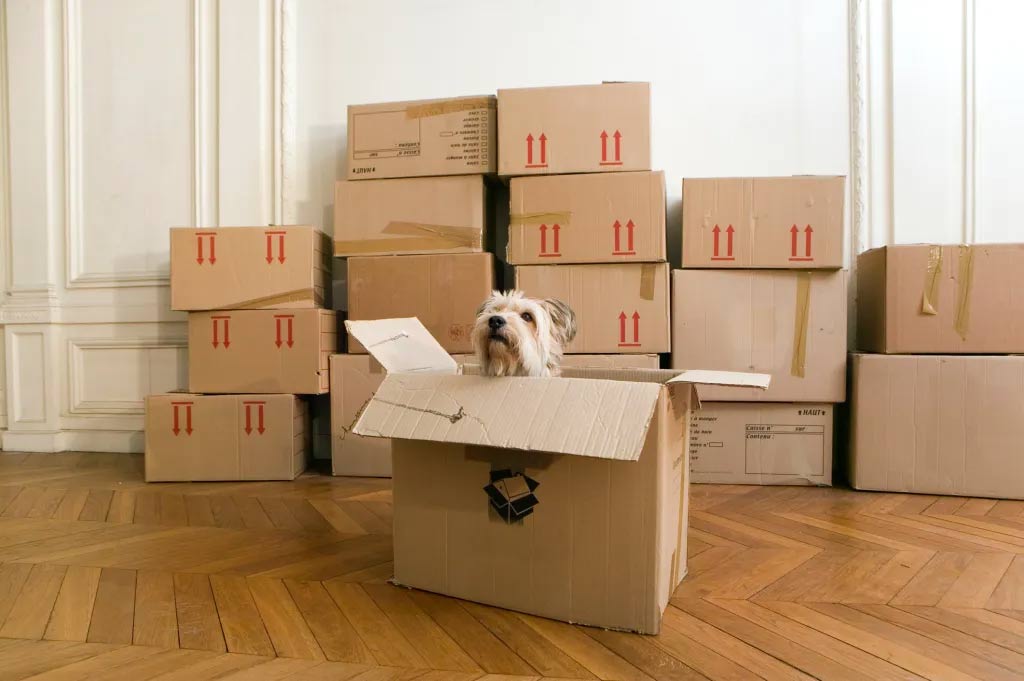
Plug in new appliances
If you're bringing appliances like a refrigerator or washing machine to your new home, you'll probably want to hook everything up right away — but you should hold off a bit. Refrigerators and freezers need some time to "settle" — the fluids inside (oil, coolant, etc.) can spill during transport, so wait at least a few hours (or a full day) before plugging them in to avoid damage. Other appliances, like washing machines, may have shipping bolts installed to prevent damage to moving parts, and forgetting to remove those safety measures can be disastrous, so think twice before plugging them in and pressing the "on" button.
Renovation
Having a short list of renovations to do in a new home is a good idea. Painting, refinishing floors, and any major repairs should all be done before you actually move in. However, if you haven't already planned your renovations in full when you buy the home—meaning you know exactly how you're going to redo the space and have a plan for where you'll live during the renovation—then you should wait before taking on any major renovation projects.
The reason is simple: You don't know the house well enough. You don't know what appeals to you, what aspects of its unique design or aging infrastructure you'd like to change—or whether that feature you thought was great on a tour will still be great in a few months. And frankly, you don't know how you'll live in the space. Spending time in your new home means that your initial renovation plan will be tailored to the space and how you use it, rather than an abstract or general approach that could result in a completely new space that you may not be happy with.
Buy new furniture
Keeping some of the old furniture from your old home for a few weeks or months while you get used to your new space helps you get a better idea of how you actually want to use each room, and a better sense of scale and flow. This will allow you to choose furniture that fits both the physical space and the lifestyle in your new home.
Make big financial changes
Buying a home is a big financial transaction for most of us, requiring many time saving, planning and budgeting. Making a spending decision right away is not a good idea because:
- Savings: If you're like many people, your savings may be running low after cutting corners on everything from home inspections to unexpected expenses. Rebuilding that buffer should be a top priority immediately after moving into a new home.
- Costs: You don't know what hidden costs a new home has. Just because it has a passing home inspection doesn't mean everything is working properly, and you really don't know how much regular, routine maintenance and utilities will cost until you've lived there for a while.
- Emergencies: Whether it's a brand new home or a newly renovated one, emergencies can happen. Disasters and accidents don't know when you've just drained every penny from your savings account, so it's a good idea to put a hold on big spending so you can rebuild your emergency fund.
FAQ
What is new about things you should not do immediately after moving into a new home?
In practical terms, everyone is eager to buy lots of things and come up with ideas for their new home. However, here are some things you should never do immediately after moving into a new home.
Why does this update matter?
The article highlights that however, here are Some things you should never do immediately after moving into a new home.
Is the change available to everyone?
Availability may depend on the product version, region, account, or rollout stage described in the article.
Related Articles
 Packing a Moving Pod8 minutes read
 How to Prepare Your Car for Towing: Step-by-Step Guide15 minutes read
 Instructions on How to Clean the Mouse Pad at Home Are Extremely Simple12 minutes read
 Tips: Things to Do After Buying a New Computer17 minutes read
 Moving House: 'Moving Home' Services for Yahoo! 3602 minutes read
 Good Stt for Those Who Are Away from Home9 minutes read
Reader Comments 0
Sign in with email or Google to join the discussion.