Table of Contents
Explore is gigabit ethernet still sufficient for the needs of modern home networks.
A very familiar example: if you're a PC gamer and use Steam, games can now be installed directly over a LAN network if another computer in your house already has them installed. No need to download them again from the internet.
Similarly, more and more people are buying or building their own NAS devices at home. This means that terabytes of data are constantly being transferred over the network during backups, synchronizations, or file access. Not to mention the booming trend of self-hosting. It's no longer just a hobby for Linux or server users. Many families now host movies, music, and e-books right at home. If you're using Plex, Jellyfin, Calibre, or similar platforms, you're already part of this 'self-hosting revolution'.
The advertised Wi-Fi speed doesn't reflect the actual speed
Wi-Fi, on paper, always sounds incredibly impressive. For example, Wi-Fi 5 can theoretically reach 6.9Gbps under ideal lab conditions. But that's just theory.
The reality is quite different. Even if the router is advertised as supporting 400Mbps on the 2.4GHz band and 867Mbps on the 5GHz band – which sounds more than enough for gigabit internet – the actual speeds often only reach:
- Approximately 500Mbps when standing close to the router.
- And only 200Mbps in random locations around the house.
Wi-Fi 6 represents a significant improvement, but most users haven't yet embraced it, let alone Wi-Fi 7 – which will truly take full advantage of today's high-speed internet bandwidth.
More importantly: this is also the speed of your LAN network. This means that transferring games via Steam locally, streaming movies from a NAS, or backing up your computer are also limited in the same way. To put it bluntly, the current Wi-Fi in most homes hasn't even caught up with gigabit internet, let alone the needs of local data transfer.
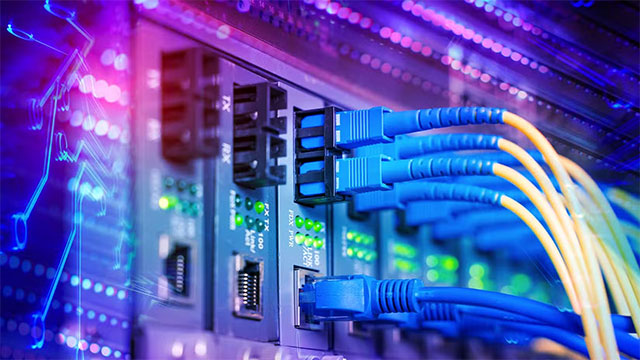
Using wired Ethernet for as many devices as possible is always the right choice, with clear advantages such as higher speed, greater stability, and especially reducing the load on Wi-Fi, allowing the remaining wireless devices to run more smoothly.
Currently, Gigabit Ethernet (1Gbps) should be considered the minimum. Meanwhile, 2.5Gbps and 10Gbps are becoming more common, especially with the increasing use of on-premises storage and self-hosting. Therefore, if you are upgrading your network system, there are two main factors to consider:
- Upgrade the cable quality.
- Routers, switches, and network cards should exceed 1Gbps; otherwise, local network applications will soon experience bottlenecks, especially when many users share the same network.
The modern house looks like… a miniature data center
With all sorts of smart devices, internal servers, high-capacity media, locally running AI, etc., modern home networks are gradually becoming more like mini data centers than the simple LAN networks of the 2000-2010 era.
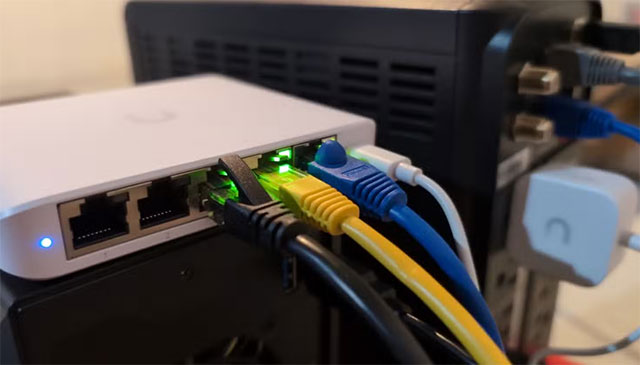
This is actually a positive development. Operating modern systems like smart homes, media servers, storage, and local AI allows you to maintain control over your data and privacy, rather than relying entirely on cloud services. However, the trade-off is that we need to rethink our home network architecture. Upgrading may be expensive now, but high-speed network standards are becoming increasingly affordable. When the time is right, you should be prepared.
Final Thoughts
Understanding is gigabit ethernet still sufficient for the needs of modern home networks makes it easier to evaluate the information and apply the most relevant recommendations. Focus on the key points above and verify details that may change over time.
FAQ
What is is gigabit ethernet still sufficient for the needs of modern home networks?
Explore is gigabit ethernet still sufficient for the needs of modern home networks.
What key points does this article cover?
The article focuses on The advertised Wi-Fi speed doesn't reflect the actual speed, The modern house looks like… a miniature data center, with practical explanations and examples.
How can you use this information in practice?
Use the explanations to compare options, verify important details, and make a more informed decision. Apply the recommendations that best match your goals and situation.
Related Articles
 Overview of 10 Gigabit Ethernet Technology -- Part I11 minutes read
 Fiber: Overview of 10 Gigabit Ethernet Technology -- Part Ii13 minutes read
 How to Create a Gigabit Ethernet Cable with Simple Tools7 minutes read
 The Benefits of Segmenting an Ethernet Network Explained: How It Works and Key5 minutes read
 Learn About Local Area Networks -- LAN: Ethernet -- Part Ii3 minutes read
 Why Should You Use Ethernet Instead of Wi-Fi When Possible?7 minutes read
Reader Comments 0
Sign in with email or Google to join the discussion.