Table of Contents
Explore habits that help keep your home tidy, including the key concepts, practical examples, important considerations, and useful guidance.
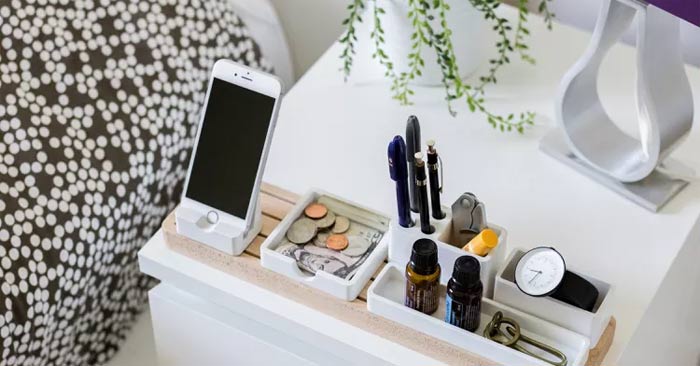
Remove unnecessary items
Leaving items you don't use or need sitting on shelves or in drawers won't make your life better. Get rid of anything that's no longer useful. Only buy what you really need. A common reason for cluttered homes is the habit of hoarding things just in case. Think carefully before buying things. Consider the impact they will have on your home.
Pay attention to your shopping
Although it might feel a little uncomfortable at first, train yourself to be honest and critical of your spending habits. For example, if you buy groceries in bulk but don't have enough storage space, change that habit.
This includes receiving and buying gifts for others. Reducing spending in this area will help prevent clutter in your home and other people's spaces. If your children receive gifts, you should prepare a new storage space for them. Suggest they choose a few items to donate before opening the presents.
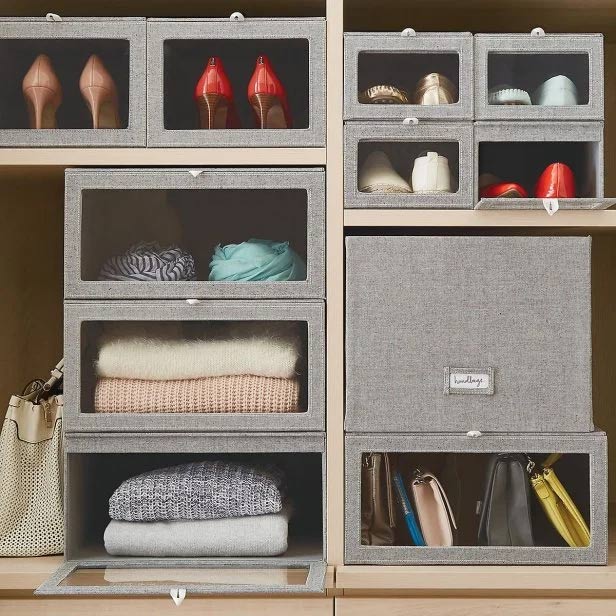
Consider storage options
Take the initiative in choosing what you store or leave outdoors, as your choices affect the feeling of your living space. Deciding exactly what you want to see in a room can significantly reduce visual clutter.
According to design experts, you should balance open and closed storage spaces in a room. Even decorative boxes are a great solution if you don't want to buy new furniture to hide things you don't want to see.
Develop a cleaning habit
Adopting two simple daily habits will help prevent clutter. Every evening, clean up common areas, and in the morning, finish any tasks you left unfinished the night before. Focus on taking out the trash, washing dishes, doing laundry, tidying up, folding blankets, and fluffing up pillows. This strategy will definitely help you control clutter.
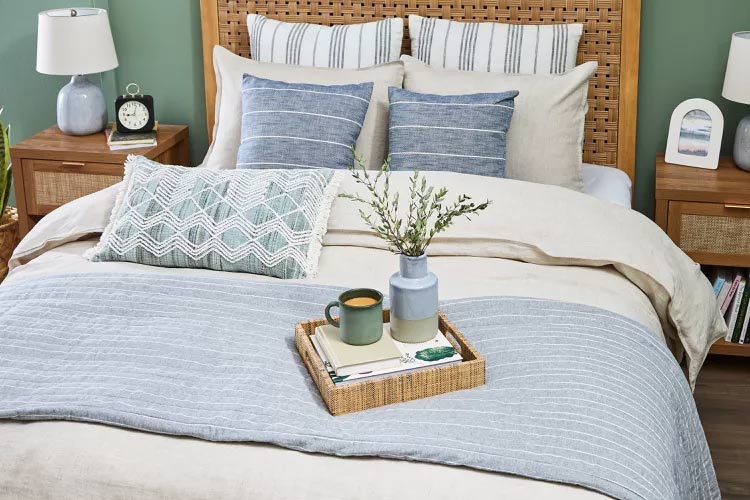
Make your bed
Quickly pull up the sheets and duvet and fluff up your pillows in the morning when you get out of bed. Simply making your bed each day will help you start your day off right and encourage you to keep your bedroom tidy and organized.
Keep the surface clean
Keep all surfaces, from kitchen countertops and dining tables to bedside tables and coffee tables, clutter-free by placing small bowls, trash cans, or boxes on top to hold papers and small items. That way, when the trash can is nearly full, you'll be forced to empty it.
Organize paperwork
Paper management is key to a tidy home. Take the time to set up a system for organizing important documents. Place a trash can or recycling bin near the entrance so you can automatically dispose of spam.
Always rearrange things
After decluttering, you'll likely have more storage space. If you're short on space, create a designated place so you know where to find things and put them away immediately after use. This way, you won't misplace items or buy duplicates that clutter your space.
Final Thoughts
Understanding habits that help keep your home tidy makes it easier to evaluate the information and apply the most relevant recommendations. Focus on the key points above and verify details that may change over time.
FAQ
What is habits that help keep your home tidy?
Explore habits that help keep your home tidy, including the key concepts, practical examples, important considerations, and useful guidance.
What key points does this article cover?
The article focuses on Remove unnecessary items, Pay attention to your shopping, Consider storage options, with practical explanations and examples.
How can you use this information in practice?
Use the explanations to compare options, verify important details, and make a more informed decision. Apply the recommendations that best match your goals and situation.
Related Articles
 Tips to Make Your House Clean and Bright Instantly7 minutes read
 5 Ways to Keep Your iPhone Home Screen Tidy6 minutes read
 Ways to Tidy Up and Hide Electrical Wires and Cables in the House6 minutes read
 11 Bad Habits That Affect Health That We Need to Fix Right Away10 minutes read
 These Are the Subtle Things That Ruin a House, and Few People Realize It7 minutes read
 Seemingly Clean Habits Turn Out to Be Unexpectedly 'Dirty': Complete Guide5 minutes read
Reader Comments 0
Sign in with email or Google to join the discussion.