Table of Contents
Toys, kitchen gadgets and bulk purchases become clutter when they outgrow the space or attention you can give them. Before buying, ask three questions: What will I use this for, where will it live, and what do I already own that does the same job?
1. More toys than children can use
Keep a manageable selection accessible and rotate some toys into storage. If the storage box is already full, review its contents before adding another set.
Involve children in choosing what they still enjoy. For gifts, suggest a specific wanted item or an experience rather than asking relatives to guess. Donate only clean, complete toys accepted by the recipient organization.
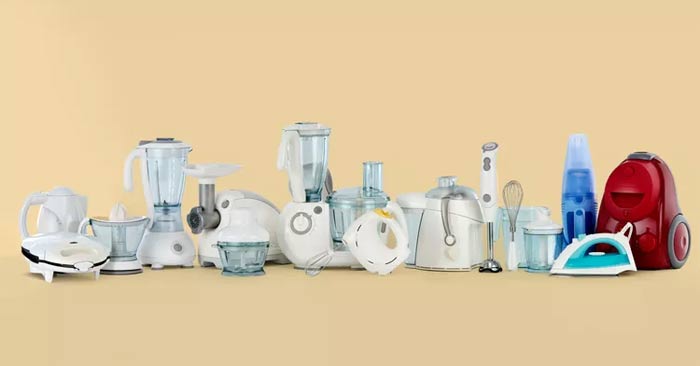
2. Single-purpose kitchen gadgets
A gadget can earn its space if it solves a task you do often. Before buying, consider how frequently you will use it, how long cleanup takes and whether an existing utensil can do the job.
Measure its storage spot, including accessories. If it would stay on a crowded counter because it will not fit in a cupboard, postpone the purchase or make room first.
3. Trend purchases without a clear use
Put the item on a wish list rather than buying it immediately. Return to it after the initial excitement has passed and check whether it still suits your routines and style.
A useful test is to name when you will use it next. If you cannot, borrowing or simply enjoying the idea may be enough.
4. Duplicate makeup and skincare products
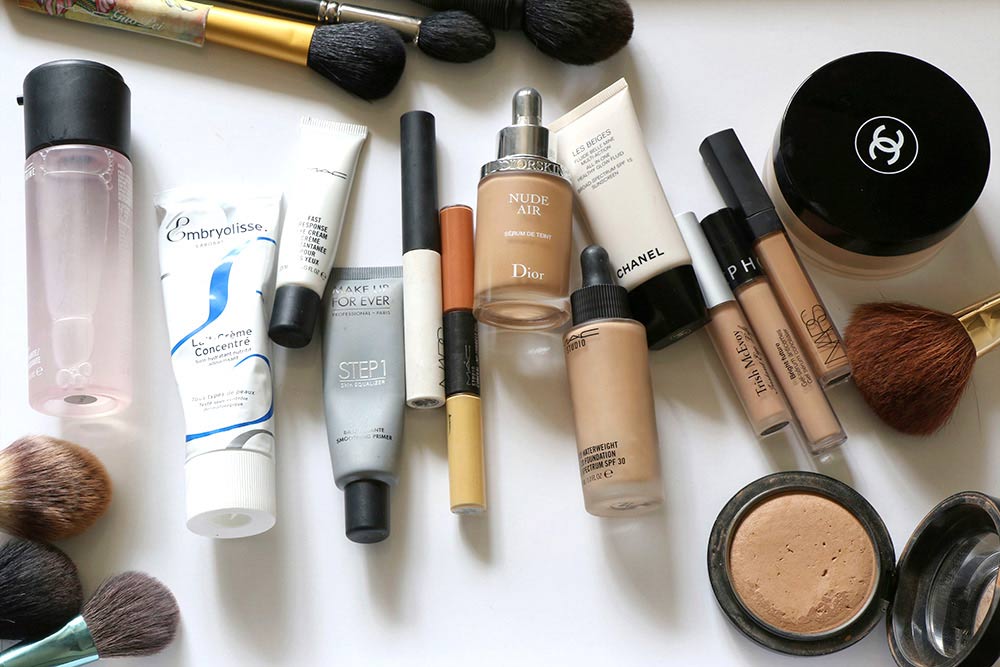
Check what is already open before buying another shade, cleanser or gift set. Group products by type so duplicates are visible and keep unopened backups separate.
There is no single one-year shelf life for all cosmetics. Follow the product label, period-after-opening guidance where provided and the manufacturer's storage instructions. The FDA explains that cosmetic shelf life varies by product and storage. Do not keep using a product merely to finish the container if it is unsuitable or has deteriorated.
5. Clothes bought for a hypothetical occasion
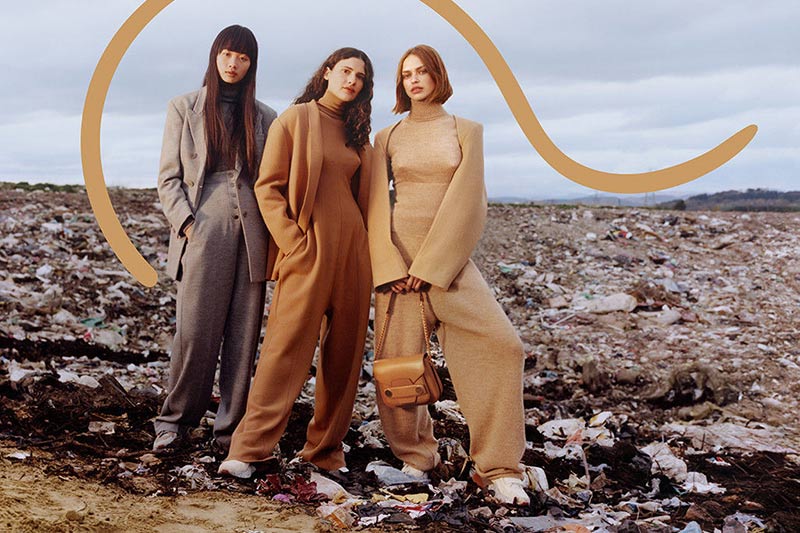
Inventory your wardrobe before shopping. Note the specific gaps, sizes and colors that work with clothes you already wear. A low price does not help if the item needs a new outfit around it or is uncomfortable.
Check the return deadline and try purchases on promptly. Keep a designated bag for returns so unwanted items do not become permanent wardrobe residents.
6. Bulk purchases without a storage plan
Bulk buying can be practical for items you use regularly. Compare unit prices, check usable storage space and estimate whether your household will finish the quantity while it remains suitable to use.
Skip the larger pack if it crowds out essentials or commits you to a product you have not tried. Keep a short inventory of backups; a simple household spreadsheet can help if you repeatedly buy duplicates.
7. Souvenirs bought from obligation
Choose something you will display, use or meaningfully collect. A photograph, journal entry or one small keepsake can preserve the memory without requiring a new shelf.
Give a souvenir a place before bringing it home. If you value a collection, set a physical boundary for it and review the collection when that space fills up.
A quick check before checkout
Pause if you cannot name the item's purpose, storage place and likely frequency of use. Buy for the home and routines you have, and review existing possessions before buying organizers to contain more of them.
Related Articles
 6 Things That Make a Bedroom Cluttered and Waste Space
 How to use Kvaesitso for a cleaner Android home screen
 Windows mod helps make the most of every inch of screen
 12 'must-have' devices for smart home (Smart Home)
 My top 3 Google Home pet peeves and how to fix them
 4 ways to make delicious sprouts right at home are very simple
Reader Comments 0
Sign in with email or Google to join the discussion.